More isn't always better when it comes to supplements. While some nutrients need daily replenishment, others can accumulate in your body, interfere with medications, or create imbalances when taken continuously. Understanding which supplements require cycling or strategic timing can save you from unwanted side effects and wasted money.
Why Daily Supplementation Isn't Always the Answer
Your body maintains delicate mineral balances and vitamin stores. When you supplement with certain nutrients every single day without breaks, you risk disrupting these natural equilibrium points. Fat-soluble vitamins build up in tissues over time, high-dose minerals can block absorption of other essential nutrients, and some herbal supplements lose effectiveness or create dependency with continuous use.
The key principle: risks increase with larger dosages and longer supplement duration. What works safely for a few weeks might cause problems after months of daily use.

1. High-Dose Zinc (50mg or More)
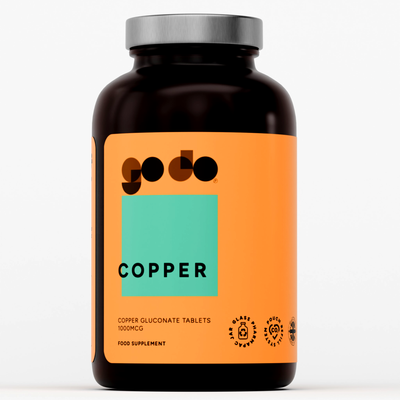
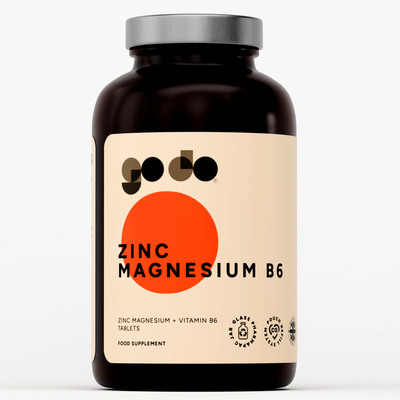
Zinc supplements are popular for immune support, but taking 50mg or more daily creates a serious problem: copper deficiency. Zinc and copper compete for absorption in your digestive system. When you flood your body with high-dose zinc every day, copper loses this competition.
What happens with chronic use:
- Anemia develops as copper-dependent enzymes fail
- Bone density decreases
- Immune function paradoxically weakens
- Neurological symptoms may appear
Better approach:
Take zinc supplements only during acute illness (7-10 days maximum) or cycle your supplementation: two weeks on, two weeks off. Keep daily doses under 40mg unless specifically directed by a healthcare provider. If you've been taking high-dose zinc daily for months, consider getting your copper levels tested.
2. Fat-Soluble Vitamins (A, D, E, K)
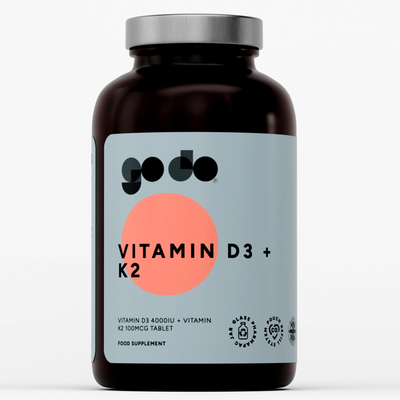
Unlike water-soluble B vitamins and vitamin C that flush out through urine, fat-soluble vitamins accumulate in your liver and fatty tissues. When you take them daily through supplements and consume them in fortified foods, toxicity becomes a real risk.
Vitamin A excess can cause:
- Liver damage
- Bone pain and increased fracture risk
- Hair loss
- Severe headaches
Vitamin D toxicity leads to:
- Dangerously high calcium levels
- Kidney stones
- Nausea and weakness
- Heart rhythm problems
Vitamin E in high doses:
- Increases bleeding risk
- May interfere with blood clotting medications
- Can worsen cardiovascular issues in some individuals

Smarter supplementation:
Get blood tests before starting daily fat-soluble vitamin supplements. Most people need vitamin D supplementation during winter months, but not everyone requires the same dose year-round. Take vitamin A only if you have a confirmed deficiency: most people get adequate amounts through diet. Consider taking fat-soluble vitamins 3-4 times weekly instead of daily, or switch to a food-first approach with targeted supplementation only when needed.
3. St. John's Wort
This popular herbal supplement for mood support creates extensive drug interactions that worsen with daily use. St. John's Wort activates liver enzymes that break down medications faster than intended, reducing their effectiveness dramatically.
Medications compromised by daily St. John's Wort:
- Birth control pills (increasing pregnancy risk)
- Blood thinners like warfarin
- Antidepressants and anxiety medications
- Statins for cholesterol management
- Omeprazole and other acid reflux medications
- Hormone replacement therapy
- Some antihistamines
The interaction effects build up over time with continuous use. You won't necessarily notice the problem immediately, but your medications become progressively less effective over weeks of daily supplementation.
Alternative approach:
If you're taking any prescription medications, avoid St. John's Wort entirely or use it only under direct medical supervision. For mood support, consider evidence-based alternatives like omega-3 fatty acids or work with a healthcare provider to find appropriate pharmaceutical options that won't create dangerous interactions.

4. Iron Supplements
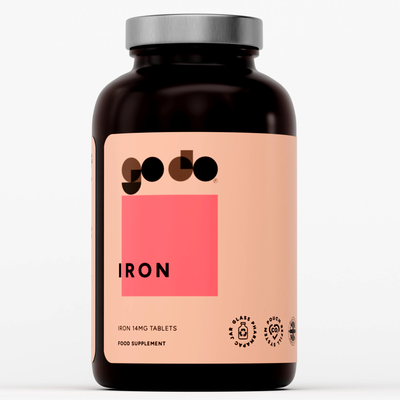
Iron requires careful timing because it interacts with multiple nutrients and foods. Taking iron daily without considering these interactions means you're likely wasting money on supplements your body can't absorb effectively.
What blocks iron absorption:
- Calcium supplements or calcium-rich foods
- Zinc supplements
- Green tea, black tea, and coffee
- High-fiber foods when taken simultaneously
- Antacids and proton pump inhibitors
What enhances iron absorption:
- Vitamin C (take together)
- Meat, poultry, or fish
- Empty stomach (if tolerated)
The daily supplementation problem:
Most people take their multivitamin (containing calcium and zinc) with breakfast, then wonder why their iron levels don't improve despite daily iron pills. The timing creates nutrient competition where nothing absorbs optimally.
Better strategy:
Take iron on alternate days: research shows this approach improves absorption and reduces side effects like constipation and nausea. Schedule iron supplements away from calcium, at least 2 hours apart. Pair iron with vitamin C-rich foods or supplements. If you're taking iron for diagnosed anemia, get retested after 8-12 weeks to determine if continued supplementation is necessary.
5. CoQ10 (If You're on Blood Thinners)
Coenzyme Q10 supports energy production and cardiovascular health, but it creates a dangerous interaction with blood-thinning medications like warfarin. The problem compounds with daily use.
The mechanism:
CoQ10's chemical structure resembles vitamin K, which plays a crucial role in blood clotting. When taken regularly alongside blood thinners, CoQ10 can reduce medication effectiveness, potentially causing breakthrough blood clots.

Risk factors increase when:
- You're taking warfarin or similar anticoagulants
- Dosage exceeds 100mg daily
- You supplement continuously without medical monitoring
- You combine CoQ10 with other supplements affecting clotting
Safer approach:
If you're on blood thinners, discuss CoQ10 supplementation with your doctor before starting. You may need more frequent INR monitoring to ensure your medication remains effective. Some people can safely use lower doses (30-60mg) with proper medical supervision, but daily use without monitoring creates unnecessary risk.
What to Do Instead: Strategic Supplementation
Effective supplementation doesn't mean taking everything daily. Consider these approaches:
Cycle your supplements: Take high-dose minerals and certain vitamins for 2-3 weeks, then take 1-2 weeks off. This prevents accumulation and maintains effectiveness.
Test, don't guess: Get blood work before starting long-term supplementation. Retest after 3 months to confirm you need continued use.
Prioritize food first: Use supplements to fill specific gaps, not replace a varied diet. Most nutrients absorb better from food sources anyway.
Timing matters: Separate supplements that compete for absorption. Take iron in the evening, calcium in the morning, fat-soluble vitamins with meals containing healthy fats.
Lower doses, more often: Instead of mega-doses daily, consider smaller amounts 3-4 times weekly. This often provides benefits without accumulation risks.
Know Your Risk Factors
Certain factors increase your vulnerability to supplement-related problems:
- Taking multiple prescription medications
- Pre-existing liver or kidney conditions
- Pregnancy or breastfeeding
- Age over 65 (metabolism and elimination slow down)
- Using supplements from multiple brands without tracking total intake
If any of these apply to you, work with a healthcare provider or registered dietitian to create a supplementation plan that considers your complete health picture.
The Bottom Line
Daily supplementation works beautifully for some nutrients: vitamin D in winter, magnesium for most people, B12 for vegetarians. But others require more strategic approaches to avoid accumulation, interactions, and imbalances. Pay attention to dosages, cycle high-dose minerals, respect drug interactions, and remember that supplements are meant to supplement an already solid nutrition foundation, not replace it entirely.
Before committing to any daily supplement regimen, ask yourself: Do I have a confirmed deficiency? Am I taking medications that might interact? Have I considered food sources first? These questions help you supplement smarter, not just more.