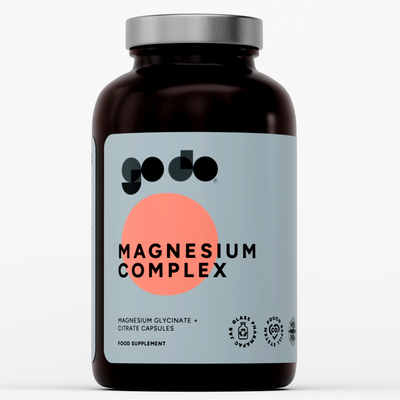
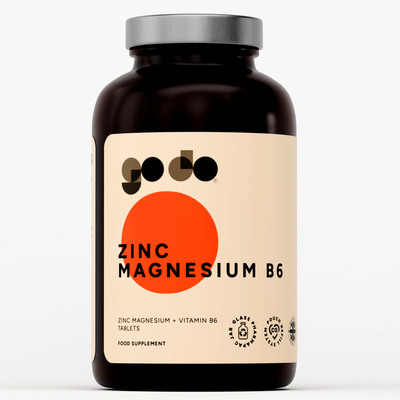
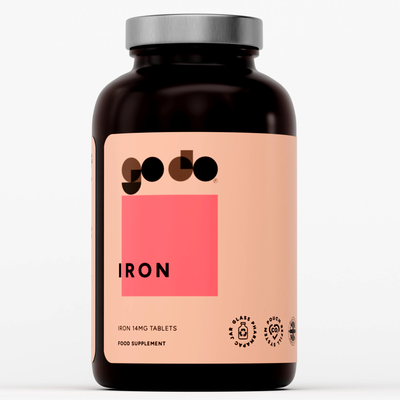
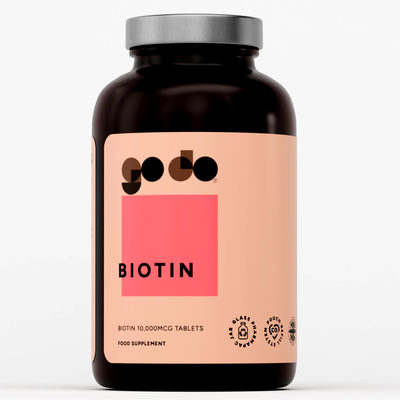
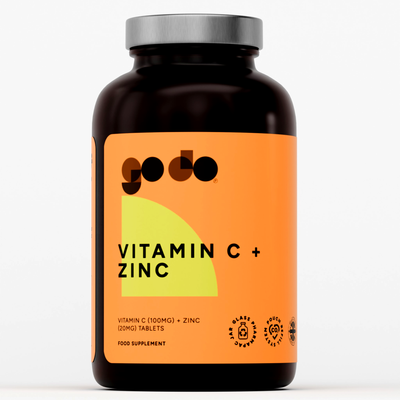
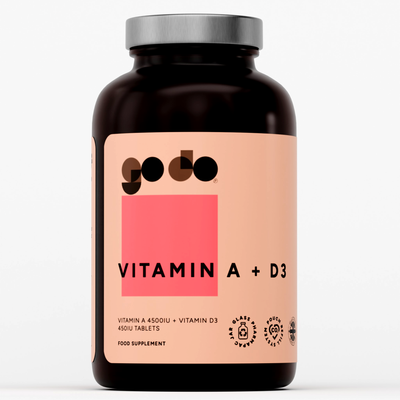
You're spending £50+ monthly on supplements. You're taking them consistently. You're buying reputable brands. Yet you still feel exhausted, your recovery hasn't improved, and those promised benefits never materialized.
The issue isn't always the supplements themselves. Most supplement failures trace back to five fixable problems: poor gut absorption, nutrient conflicts, missing cofactors, low-quality formulations, and incorrect timing. Before buying another bottle or switching brands, identify which factor is sabotaging your results.
The Real Culprit: Your Gut Can't Absorb Them
The most overlooked reason supplements fail is absorption capacity. Your digestive system might be physically incapable of extracting nutrients from pills, regardless of quality or dose.
Low stomach acid reduces your ability to break down supplements and food. Stomach acid activates enzymes that separate nutrients from their bound forms. Without adequate acid, supplements pass through your system largely intact. Symptoms include bloating after meals, undigested food in stool, and heartburn that worsens when lying down.
Damaged gut lining prevents nutrients from crossing into your bloodstream. Conditions like leaky gut, inflammatory bowel disease, or chronic stress compromise the intestinal barrier. Even if you successfully break down a supplement, the nutrients cannot enter circulation.

SIBO and candida overgrowth create additional barriers. These conditions alter gut pH, compete for nutrients, and trigger inflammation that damages absorption sites. If you experience persistent bloating, alternating constipation and diarrhea, or sugar cravings, investigate these possibilities before investing in more supplements.
How to Test Your Absorption Capacity
Schedule a comprehensive stool analysis or work with a gastroenterologist to evaluate:
- Stomach acid levels (Heidelberg test or pH capsule)
- Gut barrier integrity (lactulose-mannitol test)
- Presence of SIBO or fungal overgrowth (breath test or culture)
- Pancreatic enzyme function (stool elastase test)
These tests cost between £150-400 but prevent wasting thousands on supplements your body cannot use. Once you identify absorption issues, targeted treatment: whether HCl supplementation, gut healing protocols, or antimicrobial therapy: will restore your ability to benefit from nutrients.
Nutrient Interactions That Cancel Each Other Out
Taking multiple supplements simultaneously creates conflicts. Certain nutrients compete for the same absorption pathways, while others chemically interfere with each other.
Vitamin C and B12 is a common problematic pairing. High-dose vitamin C (above 500mg) destroys vitamin B12 in the stomach before absorption. Space these supplements at least two hours apart. Take B12 first thing in the morning on an empty stomach, then vitamin C with lunch.
Calcium and iron compete directly. Both use the same intestinal transporters, so taking them together means only one gets absorbed efficiently: usually calcium wins. Separate by at least three hours. Take iron in the morning with vitamin C to enhance absorption, then calcium with your evening meal.
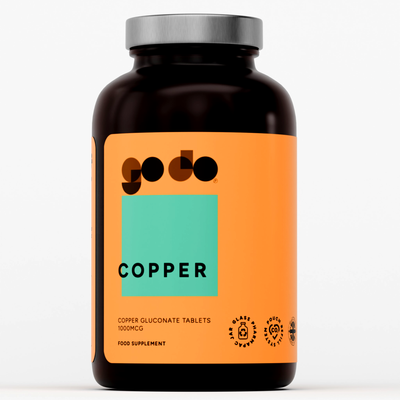
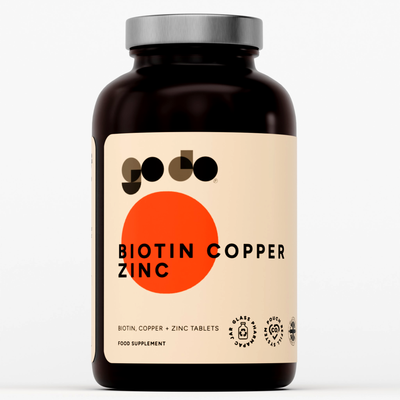
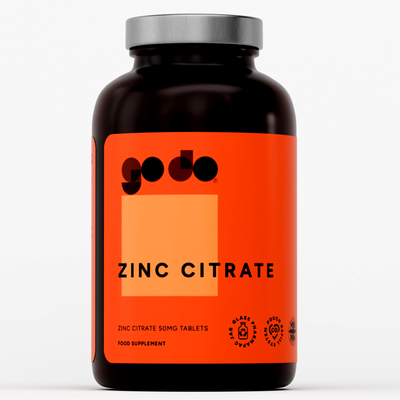
Zinc and copper also compete. High zinc intake (above 50mg daily) depletes copper stores over time, potentially causing anemia and neurological issues. If supplementing zinc long-term, include 1-2mg copper for every 15mg zinc.

Fat-soluble vitamins (A, D, E, K) can interfere with each other when taken in high doses. Vitamin A competes with vitamin D for absorption sites. Vitamin E in doses above 400 IU interferes with vitamin K's blood-clotting functions. Take these with meals containing healthy fats, but spread them across different meals if dosing high amounts.
The Missing Cofactor Problem
Most vitamins require cofactor nutrients to function. Without these supporting nutrients, your supplements remain biologically inactive.
Vitamin D requires magnesium for conversion to its active form. Studies show that 50-60% of UK adults are magnesium deficient. If you're supplementing vitamin D without adequate magnesium (300-400mg daily), you'll see minimal benefit and potentially develop magnesium deficiency symptoms: muscle cramps, insomnia, and anxiety.
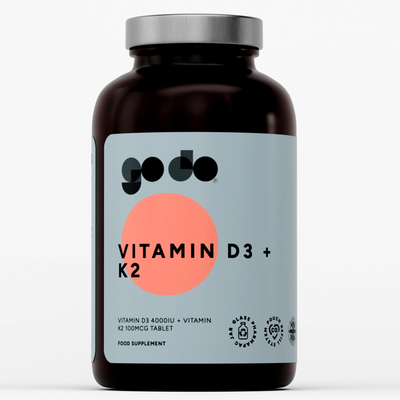
Vitamin D also needs vitamin K2 to direct calcium properly. Without K2, calcium from food and supplements deposits in arteries rather than bones, increasing cardiovascular risk while failing to improve bone density. Supplement 100mcg K2 (MK-7 form) for every 5,000 IU vitamin D.
Iron requires vitamin C for optimal absorption. Non-heme iron (from plant sources or most supplements) has low bioavailability. Taking 100mg vitamin C alongside iron increases absorption by 30-50%. Avoid tea, coffee, and calcium within two hours of iron as they inhibit absorption.
B vitamins work as a complex. Taking high-dose individual B vitamins without others creates imbalances. If supplementing B12 for energy, include a B-complex to maintain proper ratios. Methylation processes require B6, B9, and B12 working together: isolating one creates bottlenecks.
Quality Issues That Waste Your Money
Not all supplement formulations deliver what the label promises. Manufacturing shortcuts and cheap ingredients significantly reduce effectiveness.
Gummy vitamins contain 30-50% less active nutrients than capsules or tablets. The gummy matrix cannot hold high nutrient levels without affecting texture. Additionally, heat and moisture degrade vitamins in gummies faster than in capsules. If you currently take gummies, you're likely getting inadequate doses despite paying premium prices.
Fillers and additives reduce absorption. Magnesium stearate, used as a manufacturing lubricant, may create a coating that prevents supplement breakdown. Titanium dioxide, a common whitening agent, can trigger gastrointestinal inflammation. Check ingredient lists and choose supplements with minimal additives.

Cheap mineral forms have poor bioavailability. Magnesium oxide absorbs at only 4% compared to magnesium glycinate at 80%. Calcium carbonate requires stomach acid for absorption, while calcium citrate absorbs efficiently even with low acid. Zinc oxide and iron oxide are similarly inefficient. Premium forms cost more but deliver dramatically better results per pound spent.
Third-party testing matters. Supplements aren't regulated like medications. Choose brands tested by NSF International, USP, or Informed Sport. These certifications verify that products contain claimed ingredients at stated doses and remain free from contaminants.
Timing Mistakes That Kill Results
When you take supplements affects absorption as dramatically as what you take.
Fat-soluble vitamins (A, D, E, K, CoQ10, omega-3s) require dietary fat for absorption. Taking these on an empty stomach wastes them. Always consume with meals containing at least 5-10g fat: avocado, nuts, olive oil, or fatty fish.
Water-soluble vitamins (B-complex, vitamin C) absorb best on an empty stomach. Take 30 minutes before meals or two hours after. However, high-dose B vitamins may cause nausea without food: in that case, take with a small snack.
Magnesium timing affects different outcomes. Magnesium glycinate or citrate taken before bed supports sleep and muscle recovery. Magnesium L-threonate taken in the morning may enhance cognitive function. Match timing to your primary goal.
Probiotics require strategic timing. Take them when stomach acid is lowest: either first thing in the morning or right before bed. Avoid taking with antibiotics; space them at least two hours apart to prevent the antibiotic from killing probiotic bacteria.
Iron absorbs best on an empty stomach but causes nausea in many people. Start by taking with food, then gradually transition to empty stomach as tolerance improves. Always avoid within two hours of coffee or tea.
What to Fix First: A Practical Protocol
Address these issues in order to maximize your supplement investment:
Week 1-2: Assess gut health. Schedule testing for absorption capacity, stomach acid, and gut microbiome balance. While waiting for results, start a food and symptom diary noting bloating, gas, energy levels, and bowel movements after each meal and supplement dose.
Week 3-4: Eliminate conflicts. Review all current supplements and medications. Separate competing nutrients by at least two hours. Create a daily supplement schedule showing optimal timing for each product. If taking more than five supplements, consider whether you actually need all of them.
Week 5-6: Verify cofactors. For each supplement, research required cofactors and add them if missing. Common additions include magnesium with vitamin D, vitamin C with iron, and K2 with D3. Check that your multivitamin (if using) provides adequate support nutrients.
Week 7-8: Upgrade quality. Replace low-quality forms with premium options. Switch magnesium oxide to glycinate, calcium carbonate to citrate, and cheap multivitamins to third-party tested brands. Replace gummies with capsules or tablets.
Week 9-12: Monitor and adjust. Track measurable outcomes: energy levels, sleep quality, workout recovery, or lab markers you're trying to improve. If you see no change after addressing absorption, timing, and quality, you may not actually need that supplement: or you need different testing to identify the real deficiency.
Most supplement failures aren't mysterious. They're predictable consequences of poor absorption, nutrient conflicts, missing cofactors, low quality, or bad timing. Fix the foundation before buying more bottles.
If you've addressed all these factors and still see no benefit, work with a qualified practitioner to investigate whether you're supplementing the right nutrients at appropriate doses for your individual needs. Sometimes the problem isn't how you're supplementing( it's what you're supplementing.)