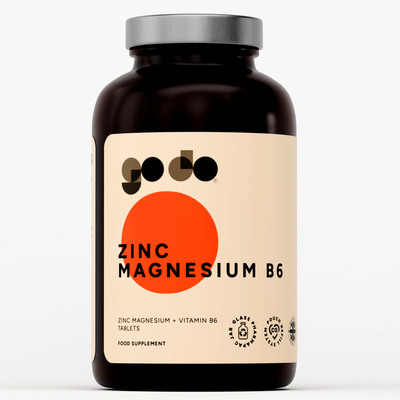
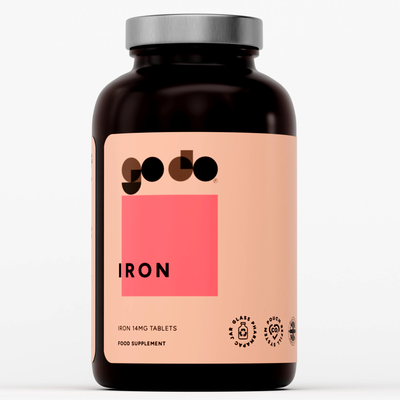
Walk into any health store and you'll face walls of supplements promising everything from better energy to improved immunity. The supplement industry generates over £400 million annually in the UK alone, yet most of these products deliver minimal benefit to the average person. Here's what you need to know before your next purchase.
The Core Problem: Most People Don't Need What They're Buying
Approximately 80% of Americans take supplements regularly, but fewer than 10% actually have nutritional deficiencies requiring supplementation. This disconnect creates a massive market for products that most consumers don't need.
The supplement industry operates with approximately 80,000 available products, most of which have never undergone rigorous testing. Manufacturers can make vague claims like "supports heart health" or "boosts immunity" without proving these assertions meet any measurable standard.

Supplements That Are Likely Wasting Your Money
Multivitamins
Multivitamins represent the most commonly purchased supplement category, yet research consistently shows they provide no measurable benefit for longevity or overall health in people without vitamin deficiencies. The U.S. Preventative Task Force specifically does not recommend multivitamins for preventing cardiovascular disease or cancer.
The reality: If you eat a reasonably varied diet including fruits, vegetables, whole grains, and protein sources, you're already getting the vitamins and minerals your body needs in forms it can actually use effectively.
Green Powders
These expensive blends of dried vegetables and fruits cost significantly more than buying actual produce. The processing required to create powder form may reduce nutrient availability, and you have no reliable way to verify what's actually in the product or what additives manufacturers include.
Better approach: Spend the £30-50 you'd pay monthly for green powder on fresh or frozen vegetables instead. You'll get more nutrients, more fiber, and better absorption.
Magnesium Supplements for General Wellness
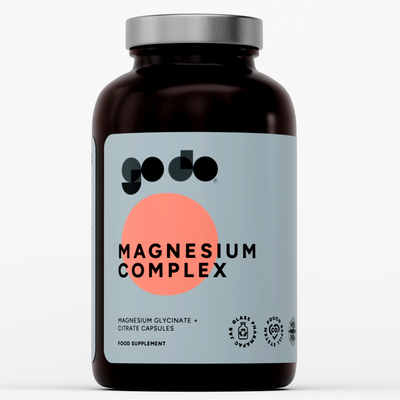
Marketing claims suggest magnesium supplements improve energy, enhance mood, treat leg cramps, and cure insomnia. The scientific evidence supporting these claims remains inconclusive at best.
Most people consuming legumes, nuts, seeds, whole grains, and leafy green vegetables get adequate magnesium through diet alone. Unless you have a diagnosed deficiency confirmed through blood work, supplementation offers questionable benefit.

When Supplements Actually Make Sense
Vitamin B12
Three specific populations may genuinely benefit from B12 supplementation:
- Adults over 65 years old (reduced stomach acid production decreases B12 absorption)
- People taking metformin for type 2 diabetes (the medication interferes with B12 absorption)
- Individuals using proton-pump inhibitors for acid reflux (these medications reduce B12 uptake)
Vegans and vegetarians should also consider B12 supplementation since this vitamin occurs naturally only in animal products.
Vitamin D
Vitamin D supplementation can benefit people living in northern climates with limited sun exposure, particularly during winter months. However, dosing matters significantly: high doses between 5,000-10,000 IUs daily cause more harm than benefit.
Recommended approach: Get your vitamin D levels tested before starting supplementation. If you're deficient, your doctor can recommend an appropriate dose based on your specific levels.
Omega-3 Fatty Acids
People who don't regularly consume fatty fish may benefit from omega-3 supplementation. Evidence supports omega-3s for reducing triglyceride levels and potentially lowering cardiovascular disease risk in specific populations.
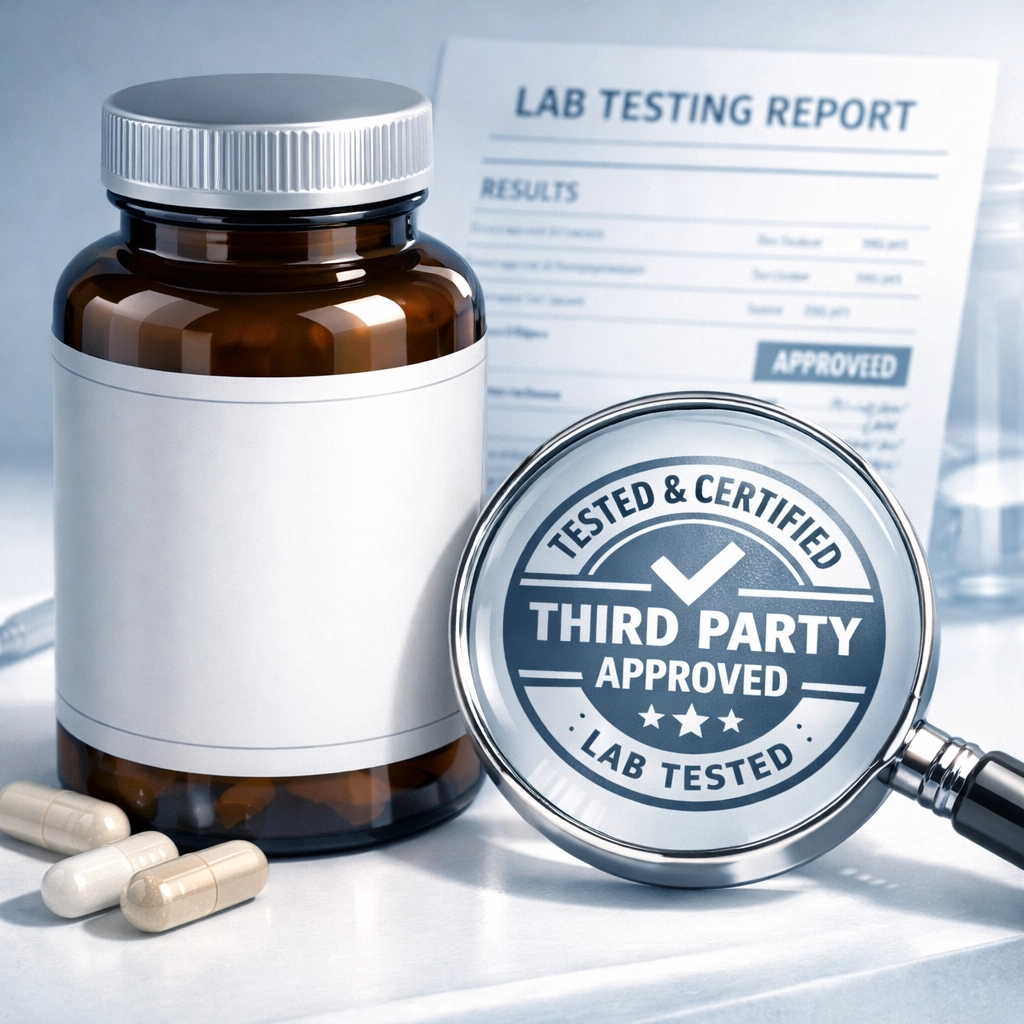
Quality matters: Choose supplements tested by third-party organizations to ensure they contain what the label claims and don't include harmful levels of mercury or other contaminants.
The Hidden Dangers Most People Ignore
Drug Interactions
Supplements aren't as harmless as their "natural" label suggests. They can cause serious interactions with prescription medications:
- St. John's Wort interferes with blood thinners, oral contraceptives, and antidepressants
- Calcium supplements reduce the effectiveness of certain antibiotics when taken simultaneously
- Biotin (often found in hair and nail supplements) can skew medical test results, leading to misdiagnosis
- Vitamin K in multivitamins can interfere with blood-thinning medications
Always tell your doctor about every supplement you take, including multivitamins and herbal products. What seems like an innocent vitamin can have serious consequences when combined with prescription medications.
Direct Health Risks
Some supplements carry intrinsic health risks beyond drug interactions. Green tea extract supplements have been linked to liver failure requiring transplantation in multiple documented cases. High-dose vitamin A supplements increase fracture risk in older adults. Excessive iron supplementation in people without deficiency causes gastrointestinal problems and may increase cardiovascular disease risk.
The FDA doesn't regulate supplements with the same rigor as medications. Harmful effects often remain undetected until enough people become sick to trigger investigation.
How to Identify Quality Supplements When You Do Need Them
If you have a confirmed deficiency requiring supplementation, follow these criteria to avoid wasting money on ineffective products:
Third-Party Testing
Look for supplements certified by organizations like NSF International, USP (United States Pharmacopeia), or ConsumerLab. These organizations independently verify that products contain what their labels claim without harmful contaminants.
Avoid Proprietary Blends
When labels list "proprietary blend" without specifying individual ingredient amounts, you cannot determine if the product contains therapeutic doses of any single ingredient. This vague labeling often indicates an ineffective product.
Check Bioavailability
The form of a nutrient affects how well your body absorbs it. For example:
- Magnesium citrate absorbs better than magnesium oxide
- Methylcobalamin (B12) may be more bioavailable than cyanocobalamin for some people
- Vitamin D3 (cholecalciferol) is more effective than D2 (ergocalciferol)
Research the specific forms used in your supplement to ensure you're getting versions your body can actually use.

Reasonable Dosing
Be suspicious of supplements providing 1,000% or more of the recommended daily value for multiple nutrients. Your body can only absorb and use certain amounts of most vitamins and minerals. Excess amounts either get excreted (wasting your money) or accumulate to potentially harmful levels.
Signs You're Over-Supplementing
Taking too many supplements can cause specific symptoms:
- Persistent nausea or stomach upset
- Unusual fatigue despite adequate sleep
- Headaches that don't respond to usual remedies
- Changes in urine color or smell
- Unexplained bruising or bleeding
If you experience these symptoms and take multiple supplements, consult your doctor. Over-supplementation with certain vitamins and minerals can cause serious health problems.
The Bottom Line on Supplement Spending
Before purchasing any supplement, ask yourself three questions:
-
Do I have a diagnosed deficiency confirmed by blood work? If not, you probably don't need supplementation.
-
Can I get this nutrient through food instead? In most cases, nutrients from whole foods are more bioavailable and come with additional beneficial compounds that isolated supplements lack.
-
Have I discussed this with my doctor? Given the potential for drug interactions and side effects, medical guidance prevents costly mistakes.
For most people eating reasonably balanced diets, the best use of supplement budget is redirecting it toward higher-quality whole foods instead. A few pounds of nuts, seeds, leafy greens, and fatty fish provide more comprehensive nutrition than any multivitamin bottle.
When supplementation is genuinely necessary; for diagnosed deficiencies or specific medical conditions; invest in quality products with third-party testing rather than buying the cheapest option. The difference between an effective supplement and an ineffective one often comes down to bioavailable forms and appropriate dosing rather than brand recognition or marketing claims.
Your health deserves better than educated guesses based on Instagram ads and influencer recommendations. Get tested, consult professionals, and make evidence-based decisions about what actually goes into your body.