The supplement industry is largely unregulated, which means low-quality products sit right next to legitimate ones on store shelves. Without the right knowledge, you're gambling with your health and money every time you make a purchase.
This guide breaks down the exact markers of quality you need to check before buying any supplement: from certifications that actually matter to label red flags that signal a waste of money.
Look for Third-Party Testing Certifications
Third-party testing is the single most important quality indicator. These independent labs verify that what's on the label matches what's in the bottle: and that the product is free from contaminants.
Key certifications to look for:
- NSF Certified for Sport – Tests for banned substances and verifies ingredient accuracy
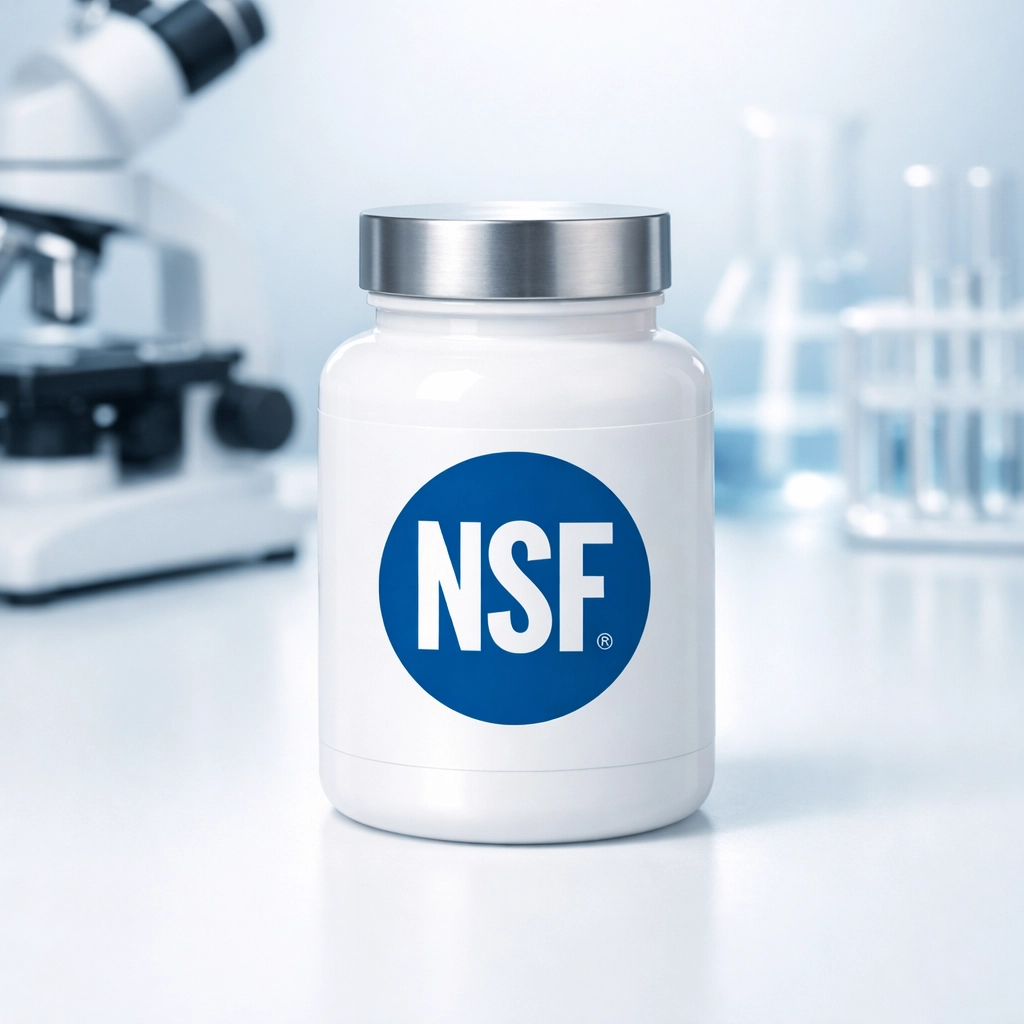
- NSF International – Confirms ingredients match label claims and screens for contaminants including lead, mercury, pesticides, and pathogens
- USP Verified – United States Pharmacopeia certification for purity and potency
- Informed Choice/Informed Sport – Popular with athletes, tests every batch for banned substances
- ConsumerLab.com Approved – Independent testing for quality and label accuracy
You can verify certifications directly on these organizations' websites. NSF maintains a searchable database of certified supplements at nsf.org. If a brand claims certification but you can't find them in the official database, that's a major red flag.
Why this matters: Studies have found that up to 25% of supplements contain ingredients not listed on the label, and some contain dangerous contaminants. Third-party testing is your only real protection.
Decode the Supplement Label Properly
High-quality supplements have transparent, detailed labels. Low-quality ones hide behind vague language and proprietary blends.
What to check on every label:
- Specific ingredient amounts – Each ingredient should list exact dosages in milligrams or micrograms, not just percentages of daily value
- Form of ingredients – Quality supplements specify the form (e.g., "magnesium glycinate" not just "magnesium")
- Serving size clarity – If a supplement requires 3-4 capsules per serving or multiple doses per day, the per-serving concentration may be weak
- Avoid proprietary blends – These hide individual ingredient amounts behind a total blend weight, making it impossible to know if you're getting effective doses
Red flags on labels:
- "Proprietary blend" without individual amounts listed
- Vague terms like "herbal blend" or "extract" without specifying plant parts used
- Unrealistic health claims ("cures," "treats," "miracle")
- Recommended dosing more than twice daily (often indicates low potency)
- Missing allergen information or manufacturing location
The supplement facts panel should read like a detailed recipe, not a secret formula. Transparency equals quality.
Investigate Ingredient Sourcing and Origins
Where ingredients come from directly impacts their quality, purity, and safety. Premium supplements use traceable, tested raw materials.
Questions to research or ask the manufacturer:
- Where are raw ingredients sourced from?
- Are botanical ingredients grown domestically or imported?
- What testing is done on raw materials before manufacturing?
- Are ingredients organic or conventionally grown?
- How are ingredients stored and transported?
Why sourcing matters:
Many countries have weaker safety regulations than the U.S. and E.U., leading to higher contamination risks. For example, herbal ingredients from certain regions may contain heavy metals, pesticides, or undeclared pharmaceutical drugs.
Quality brands openly share sourcing information on their websites or through customer service. If a company can't or won't tell you where ingredients come from, consider that a warning sign.
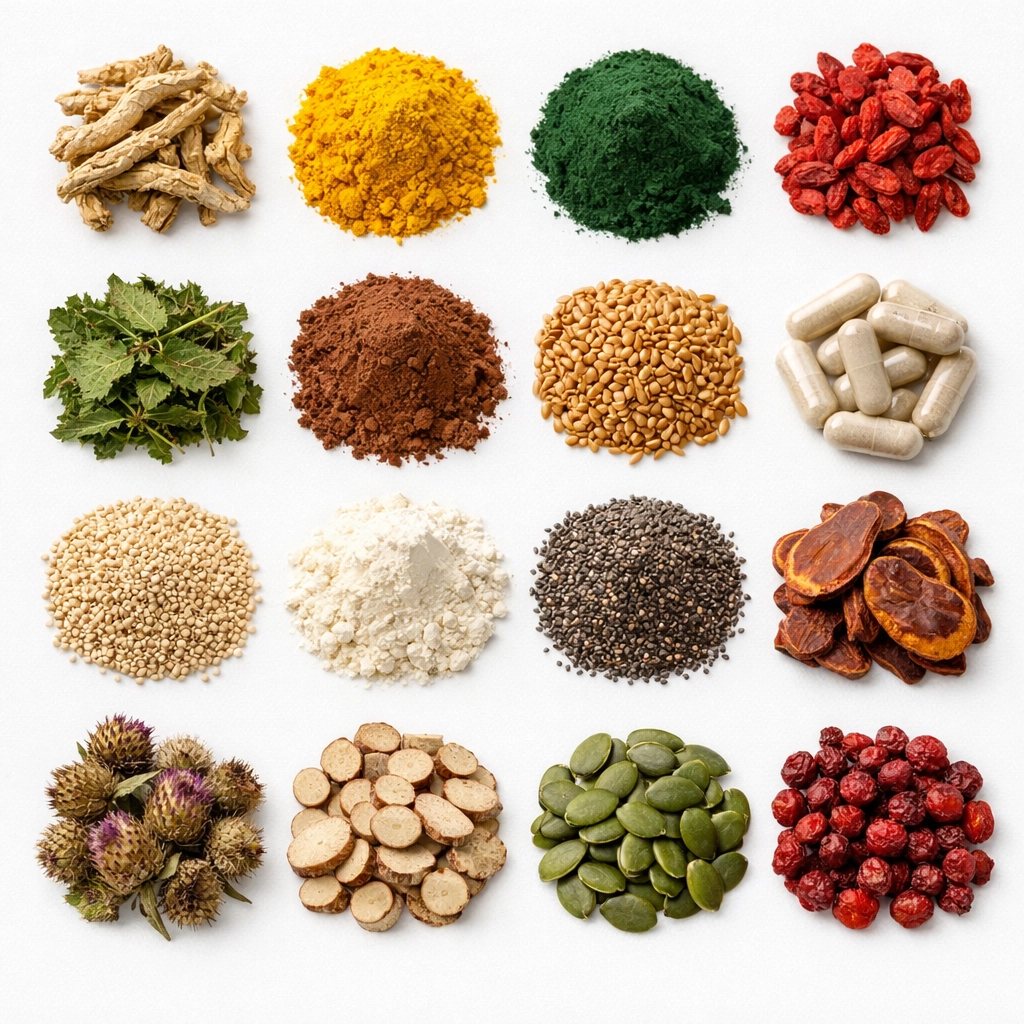
For herbal and botanical supplements specifically, verify:
- Which part of the plant is used (root, leaf, seed: this affects potency)
- Standardization levels (e.g., "standardized to 5% ginsenosides")
- Whether organic certification exists for plant-based ingredients
- Processing methods (extraction type, temperature controls)
Verify Manufacturing Standards and Facility Quality
Where and how supplements are manufactured determines their consistency and safety.
Key manufacturing certifications:
- GMP Certified (Good Manufacturing Practices) – FDA requires this for supplement manufacturers in the U.S. (21 CFR 111)
- ISO 17025-accredited laboratory partnerships – Ensures testing accuracy and standardization
- FDA-registered facility – Doesn't guarantee quality but shows basic regulatory compliance
- Organic certification (USDA) – For products claiming organic ingredients
GMP certification means the facility follows strict protocols for cleanliness, ingredient testing, equipment calibration, and batch consistency. It's the baseline standard for legitimate supplement manufacturers.
What to look for:
- Manufacturing location listed on the label (U.S., Canada, and E.U. facilities typically have stricter oversight)
- Batch or lot numbers (allows for traceability and recall management)
- Expiration or "best by" dates
- Clear contact information for the manufacturer
Some brands manufacture in-house at their own facilities, while others outsource to contract manufacturers. Neither approach is inherently better, but you should be able to verify that whoever is making the product follows GMP standards.
Red Flags That Indicate Low Quality
Certain warning signs reliably predict poor-quality supplements. Learn to spot them before you buy.
Immediate disqualifiers:
- No third-party testing or certification
- Proprietary blends hiding ingredient amounts
- Unrealistic or illegal health claims
- Extremely low prices compared to competitors (quality ingredients cost money)
- No batch numbers or manufacturing dates
- Company has no website or contact information
- Amazon listings with no brand website or verification
- Reviews that sound fake or overly promotional
Pricing reality check:
While expensive doesn't always mean better, extremely cheap supplements are usually low quality. Quality ingredients, testing, and manufacturing have real costs. If a brand undercuts competitors by 70%, they're cutting corners somewhere: usually in ingredient quality, testing, or actual amounts provided.

Marketing language to question:
- "Clinically proven" without cited studies
- "Doctor recommended" without specifying who or credentials
- "All natural" (meaningless term with no legal definition)
- "Pharmaceutical grade" (not an official designation for supplements)
- Excessive before-and-after photos with no context
If a brand relies heavily on emotional marketing instead of transparent information about ingredients, testing, and manufacturing, that's a red flag.
The Quality Supplement Checklist
Use this checklist before purchasing any supplement:
Must-haves:
- ☐ Third-party certification (NSF, USP, Informed Choice, etc.)
- ☐ Specific ingredient amounts listed
- ☐ Form of each ingredient specified
- ☐ GMP-certified manufacturing
- ☐ Clear manufacturer contact information
- ☐ Batch number and expiration date
- ☐ Transparent about ingredient sourcing
Deal-breakers:
- ☐ Proprietary blends without individual amounts
- ☐ No third-party testing
- ☐ Unrealistic health claims
- ☐ No manufacturing information
- ☐ Price significantly below market average
- ☐ No searchable batch verification
Bonus indicators of quality:
- ☐ Company publishes third-party test results
- ☐ Ingredients sourced from reputable suppliers
- ☐ Clear return/refund policy
- ☐ Responsive customer service
- ☐ Published clinical research on formulations
When to Be Extra Cautious
Some supplement categories have higher rates of contamination or mislabeling. Exercise extra diligence with:
- Protein powders and bodybuilding supplements – Frequently contaminated with banned substances or undeclared ingredients
- Weight loss supplements – Often contain undeclared pharmaceuticals
- Sexual enhancement supplements – High contamination rates with prescription drugs
- Herbal supplements from unknown sources – Risk of heavy metal contamination
- Products marketed as "pre-workout" or "fat burners" – Frequently contain stimulants not listed on labels
For these categories, third-party testing certification isn't optional: it's essential.
The Bottom Line on Supplement Quality
Quality supplements share common characteristics: third-party testing, transparent labels with specific amounts, traceable ingredient sourcing, and GMP-certified manufacturing. These markers aren't guarantees of effectiveness, but they ensure you're getting what you pay for without contaminants.
Before buying any supplement, verify certifications through official databases, read labels for specific amounts and forms, research ingredient sourcing, and check manufacturing standards. If a brand doesn't make this information easily accessible, move on to one that does.
Your health depends on what you put in your body. Taking ten minutes to verify quality before purchasing can prevent wasted money and potential harm from low-quality supplements.
For more evidence-based guidance on supplements, explore our other articles on supplement timing and proper supplementation strategies.