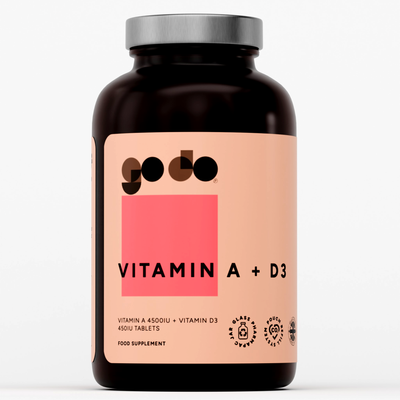
In the world of health and wellness, we often look for the "silver bullet": the one high-dose pill that will fix a decade of poor sleep, joint pain, or low energy in a matter of days. However, clinical nutritional science suggests a different reality. The most profound benefits of supplementation are not found in the "megadose" taken for a month, but in the "10-Year Supplement Gap."
The 10-year supplement gap is the measurable difference in biological age, cellular integrity, and systemic health between an individual who supplements consistently over a decade and one who uses supplements sporadically or only in response to acute symptoms. At Fitness Health, we advocate for a shift from "reactive supplementation" to "proactive compounding."
The Fallacy of the High-Dose Quick Fix
Many consumers approach supplements with a "more is better" mindset. They might take 5,000% of their daily requirement of Vitamin C when they feel a cold coming on or massive doses of caffeine when they are exhausted. While acute interventions have their place, they do not address the underlying nutritional baseline.
Bioavailability and the "Flush" Effect
The human body is an efficient machine with strict regulatory limits. When you ingest a massive dose of water-soluble vitamins, your kidneys work quickly to filter out the excess. This is often referred to as "expensive urine." Your cells can only absorb a certain amount of nutrients at any given time. By taking moderate, consistent doses, you maintain steady blood serum levels, ensuring that nutrients are available to your tissues 24/7 rather than in a three-hour spike followed by a crash.

Understanding Nutritional Compounding
Think of supplementation like a high-yield savings account. If you deposit £1,000 once and never touch it again, the interest is negligible. If you deposit £10 every week for ten years, the compound interest transforms that investment into something substantial.
Nutritional compounding works on a cellular level. Your body is constantly regenerating. Your skin cells turn over every month, your red blood cells every four months, and your bone tissue over several years. By maintaining a consistent supply of vitamins and minerals, you ensure that every new cell created is built with the highest quality raw materials available.
The Benefits of Long-Term Consistency
- Stable Blood Serum Levels: Prevents the "peaks and valleys" of nutrient availability.
- Epigenetic Support: Long-term micronutrient adequacy can influence gene expression related to aging and inflammation.
- Structural Integrity: Nutrients for joint health, such as glucosamine and chondroitin, require months of consistent use to integrate into cartilage matrix.
- Neurological Protection: Nootropics and omega-3s show their greatest efficacy in preventing cognitive decline over years, not weeks.
The Pillars of a Decade-Long Strategy
To bridge the 10-year gap, you must focus on categories that provide the highest "return on investment" for long-term health.
1. Cardiovascular Support and Heart Health
The cardiovascular system is under constant pressure. Maintaining the flexibility of arterial walls and managing oxidative stress are tasks that never end. Supplements focused on heart health, such as CoQ10 or Omega-3s, are most effective when they become a permanent fixture of your daily routine. Over a ten-year period, this consistency helps manage systemic inflammation, which is a primary driver of age-related heart issues.
2. Combatting Oxidative Stress with Antioxidants
Every day, your body faces oxidative stress from pollution, UV rays, and metabolic processes. While your body has internal antioxidant systems, they decline with age. By consistently providing the body with exogenous antioxidants, you provide a secondary line of defense. The gap between someone who protects their cells from free radical damage for 10 years and someone who doesn't is often visible in skin quality, energy levels, and recovery times.

3. Joint and Bone Maintenance
Joint issues rarely happen overnight; they are the result of years of micro-trauma and nutrient depletion. The "10-year gap" in joint health is perhaps the most noticeable. Those who support their connective tissues consistently often maintain better mobility well into their later years. You can explore our strength and fitness collection to find foundational support for active lifestyles.
The Physiological Cost of Sporadic Use
When you supplement sporadically, your body is in a constant state of "re-adjustment."
- Enzymatic Regulation: Your body produces specific enzymes to transport and utilize nutrients. If a nutrient (like Vitamin D) is only present once every two weeks, the body doesn't optimize its transport pathways for that nutrient.
- Gut Microbiome: Many supplements, especially gut health protocols like probiotics, require daily "seeding" to alter the microbiome environment. Stopping and starting prevents the beneficial bacteria from ever truly colonizing.
- Hormonal Balance: For products in womens health or mens health, consistency is key to supporting the endocrine system's natural rhythms.
Why "Low and Slow" Beats "High and Fast"
In the supplement industry, marketing often pushes "maximum strength" formulas. However, for a 10-year strategy, "physiologically appropriate" doses are superior.
| Feature | High-Dose (Acute) | Moderate-Dose (Consistent) |
|---|---|---|
| Primary Goal | Symptom suppression | Cellular optimization |
| Bioavailability | Low (Saturation reached) | High (Efficient absorption) |
| Side Effect Risk | Higher (Digestive upset/Toxicity) | Minimal |
| Cost Efficiency | Low (Wasted nutrients) | High (Total utilization) |
| Long-term Outcome | Temporary boost | Foundational health shift |

Practical Steps to Bridge the Gap
Bridging the 10-year supplement gap requires a system, not just a cupboard full of bottles. At Fitness Health, we recommend the following professional approach to building your regimen.
Step 1: Identify Your Baseline
Don't guess: test. Understand your current nutrient levels through blood work. Focus on the best sellers that provide foundational support, such as multivitamins or essential fatty acids, to cover common nutritional gaps.
Step 2: Choose Quality Over Quantity
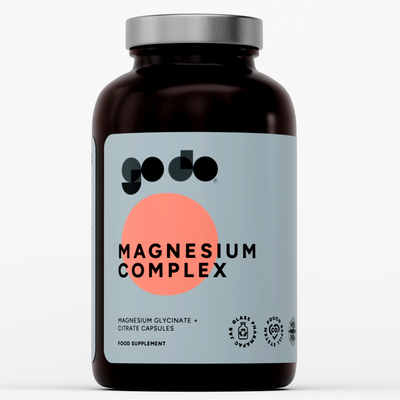
The "gap" is widened when you use low-quality synthetic binders and fillers. Ensure your supplements are bioavailable. For example, magnesium citrate or glycinate is better absorbed than magnesium oxide. Quality ensures that the "consistency" actually translates to "absorption."
Step 3: Integrate into Habit Loops
The biggest barrier to the 10-year gap is forgetting to take the pills. Pair your supplementation with an existing habit.
- Place your immunity supplements next to your coffee maker.
- Keep your sleep aids on your nightstand.
- Keep your midday energy boosters in your gym bag or office desk.
Step 4: Periodic Re-evaluation
While consistency is key, your body’s needs change. Every 12 months, re-evaluate your goals. Are you focusing more on focus and cognitive function this year? Or is stress management the priority? Adjust the formula, but maintain the habit.

Safety and Sustainability
A 10-year plan must be sustainable and safe.
- Avoid Overlapping Ingredients: If you take a multivitamin and a specific "skin, hair, and nails" supplement, check for overlapping minerals like Zinc or Selenium to avoid exceeding the Upper Tolerable Limit (UL).
- Consult Professionals: Before starting any long-term regimen, especially if you are on medication, consult with a healthcare provider.
- Listen to Your Body: Consistency doesn't mean ignoring adverse reactions. If a supplement causes digestive distress, find a different form or brand.
Summary: The Long View of Health
The 10-year supplement gap is a testament to the power of small, daily actions. In a culture that demands instant gratification, choosing the path of consistency is a competitive advantage for your biology. By the time you reach the end of that decade, the cumulative effect on your cellular health, bone density, and cardiovascular resilience will be far greater than any "30-day transformation" could ever provide.
Key Takeaways:
- Consistency > Intensity: Daily moderate doses are more effective for long-term health than intermittent high doses.
- Cellular Turnover: Supplements provide the building blocks for new cells; consistency ensures every new cell is optimized.
- Compounding Interest: The biological benefits of nutrients like antioxidants and joint-support compounds build up over years.
- Systems Over Luck: Success in supplementation comes from building habits that make daily use automatic.
Start your journey today by exploring our range of health care solutions and commit to the long-term health your future self deserves.