When you see "natural" on a supplement label, what does that word actually guarantee? If your answer is "safety," "effectiveness," or "quality," you need to read what comes next. The supplement industry operates under rules most consumers don't understand: and brands aren't rushing to explain them.
"Natural" Is a Marketing Term, Not a Standard
Here's the uncomfortable reality: "natural" has no legal definition when it comes to supplements. Unlike terms like "organic" (which must meet USDA standards) or "gluten-free" (which has FDA requirements), "natural" can mean virtually anything a brand wants it to mean.
A supplement can be called natural even if it contains:
- Synthetic vitamins produced in laboratories
- Heavily processed plant extracts
- Ingredients combined with fillers and additives
- Components that have been chemically altered
The word sells products because it triggers positive associations in your brain. But it doesn't tell you anything about what's actually inside the bottle or whether it works.
The Regulation Gap You Need to Know About
This is where things get interesting: and concerning. Dietary supplements are classified as food products, not drugs. This distinction creates a massive regulatory gap that fundamentally changes what companies must prove before selling you their products.
Here's what pharmaceutical drugs must do before reaching pharmacy shelves:
- Prove safety through extensive testing
- Prove efficacy through clinical trials
- Get FDA approval before marketing
- Demonstrate consistent manufacturing quality
Here's what supplement manufacturers must do:
- Nothing before launching a product
That's not hyperbole. Efficacy of dietary supplements is not required under U.S. law. The FDA does not test most dietary supplements or authorize them before they reach store shelves. Companies can launch products, make them available for purchase, and only face consequences if problems emerge later.
What Manufacturers Are Actually Required to Do
Under the Dietary Supplement Health and Education Act (DSHEA) of 1994, manufacturers must follow current Good Manufacturing Practices (cGMPs). This means:
Identity testing of raw materials: Companies must verify that ingredients are what they claim to be.
Label accuracy: Products should contain the ingredients listed at the intended strength and purity.
Contamination prevention: Facilities must maintain standards to prevent contamination.
But here's the catch: the FDA's ability to oversee quality is hindered by the sheer number of products and manufacturing facilities. With thousands of supplements on the market and limited resources, comprehensive oversight becomes nearly impossible. Add to this a lack of standardized analytical methods for all ingredients, and you have a system with significant blind spots.

The Quality Problem Nobody Talks About
Even when regulations exist, enforcement remains inconsistent. The quality and safety of products available can be highly variable, especially for botanical and herbal products.
Consider what this means in practical terms:
Inconsistent potency: One batch of a supplement might contain 500mg of an active ingredient while another contains 300mg: both from the same brand.
Undisclosed fillers: Your "natural" supplement might contain synthetic fillers, artificial colors, or processing agents not prominently disclosed.
Contamination risks: Heavy metals, pesticides, and other contaminants can end up in supplements, particularly those sourced internationally.
Ingredient substitution: Some products have been found to contain completely different plants than those listed on labels, particularly in the herbal supplement category.
The system relies heavily on companies policing themselves. While many manufacturers operate ethically, the lack of mandatory pre-market testing means problems often surface only after products have been sold to consumers.
What Brands Can (and Can't) Claim
The Federal Trade Commission regulates supplement advertising, but manufacturers remain responsible for the accuracy of their claims: whether expressly stated, suggested, or implied. This creates a grey area where marketing language becomes carefully crafted to imply benefits without making direct medical claims.
Watch for these common phrasing patterns:
- "Supports immune health" (not "boosts immunity")
- "Promotes joint comfort" (not "treats arthritis")
- "Maintains cardiovascular wellness" (not "prevents heart disease")
These aren't accidental word choices. They're designed to suggest benefits while staying within legal boundaries. The problem? Only the FDA can remove products from the marketplace; the FTC lacks this enforcement power. So even misleading advertising can persist for extended periods before action is taken.

The Adverse Event Reporting Gap
When something goes wrong with a prescription drug, robust reporting systems track problems. With supplements? Adverse event reporting remains at low levels.
This happens for several reasons:
Consumers often don't connect symptoms with supplements they're taking, particularly if problems develop gradually. Healthcare providers may not ask about supplement use during consultations. When issues do arise, there's no mandatory reporting system equivalent to what exists for pharmaceuticals.
This creates an information vacuum. Without comprehensive data on adverse events, it becomes difficult to identify problematic products or ingredients until serious harm occurs.
Third-Party Testing: The Exception, Not the Rule
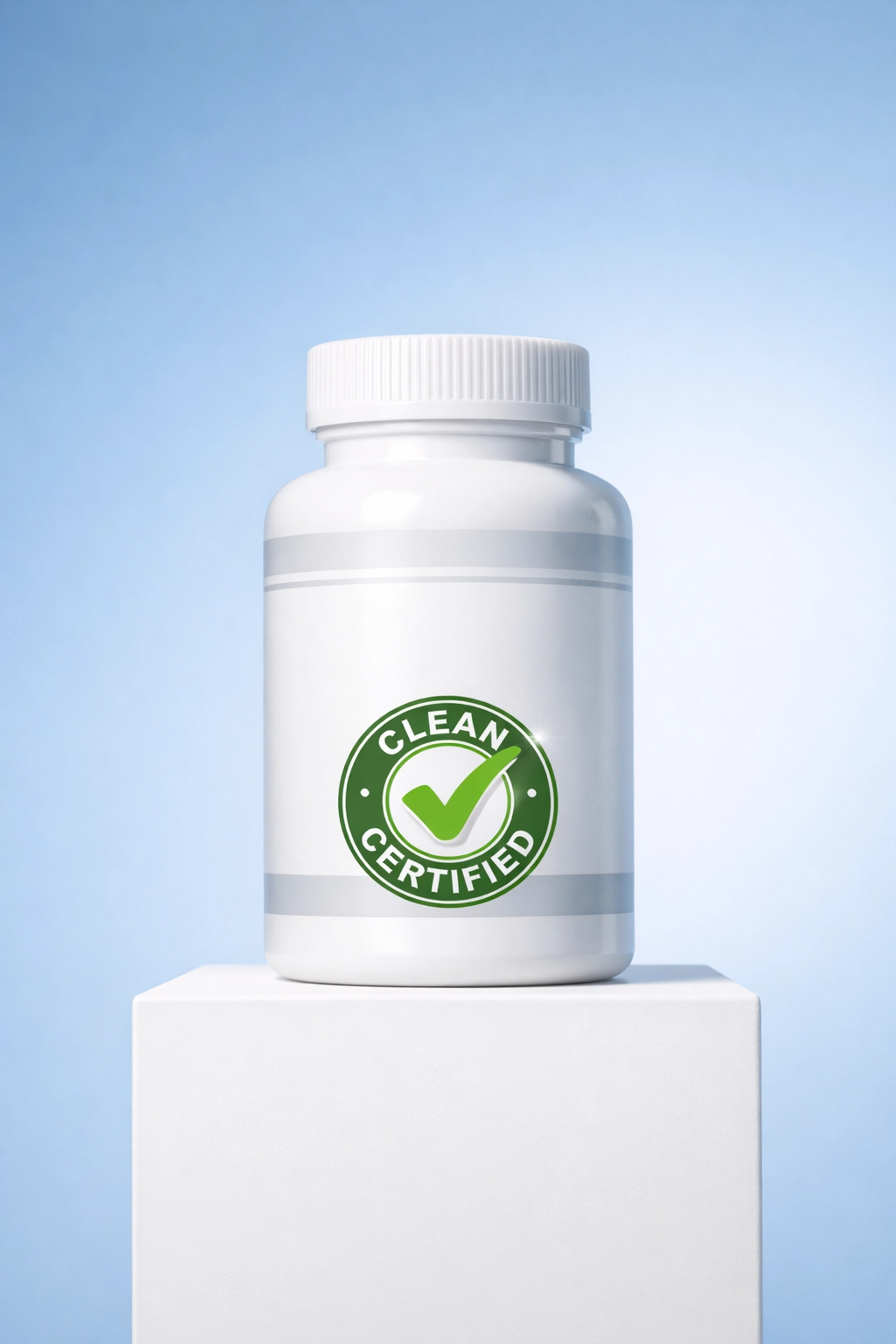
Some manufacturers voluntarily participate in third-party certification programs. NSF/ANSI 173, for example, confirms label accuracy and tests for contaminants like heavy metals and pesticides. USP Verified and ConsumerLab.com provide similar services.
These certifications represent genuine quality standards. Products bearing these marks have undergone independent testing to verify:
- Ingredients match label claims
- Contaminant levels stay below acceptable limits
- Products dissolve properly for absorption
- Manufacturing facilities meet quality standards
But here's the critical detail: participation is optional. The majority of supplements on store shelves have never been independently verified. Third-party testing costs money and time, so many brands skip this step entirely.
What This Means for Your Supplement Choices
Understanding the regulatory landscape changes how you should approach supplement shopping. Instead of trusting labels at face value, you need to become a more critical consumer.
Look for third-party certifications: NSF, USP, or ConsumerLab.com seals indicate independent verification. These aren't perfect, but they're significantly better than nothing.
Research the company: How long have they been in business? Do they manufacture in-house or outsource? Have they faced recalls or warnings?
Be skeptical of proprietary blends: When labels list a "proprietary blend" without individual ingredient amounts, it's impossible to verify effective dosing.
Check for transparency: Quality brands provide detailed information about sourcing, testing, and manufacturing. Vague language or missing details raise red flags.
Understand that expensive doesn't mean effective: High prices don't guarantee quality or efficacy. Some premium-priced supplements contain the same ingredients as budget options: or worse quality.
Question dramatic claims: If a supplement promises to cure, treat, or prevent specific diseases, it's making illegal claims. Legitimate products use more cautious language.
The Bottom Line
"Natural" supplements aren't inherently dangerous, but they're not automatically safe or effective either. The regulatory framework governing these products contains significant gaps that place responsibility on consumers to verify quality and evaluate claims critically.
When brands use terms like "natural," "pure," or "clean," ask what those words actually mean in practical terms. Request certificates of analysis. Look for third-party testing. Research clinical evidence for specific ingredients at the doses provided.
The supplement industry serves millions of people, and many products deliver genuine benefits. But understanding what "natural" doesn't guarantee: safety testing, efficacy proof, quality verification, or contamination screening: helps you make informed decisions about what you put in your body.
Your health deserves more than marketing language. It deserves products that have been independently verified, properly tested, and honestly labeled. Those products exist, but finding them requires looking past the "natural" label to understand what's really inside.