Achieving optimal health is not merely about avoiding deficiency; it is about providing your body with the high-quality micronutrients required for peak physiological function. Vitamins A and E, alongside the essential mineral magnesium, form a trifecta of nutrients that support everything from your immune system's resilience to your muscle recovery after a strenuous workout. According to the National Institutes of Health (NIH), these nutrients are critical for maintaining cellular integrity and metabolic efficiency throughout your life.
Table of Contents
- Key Takeaways
- Understanding Vitamin A: Vision and Vitality
- Vitamin E: The Body's Primary Antioxidant
- Magnesium: The Essential Mineral for 300+ Reactions
- Real-World View: Industry Hype vs. Scientific Reality
- Step-by-Step Framework: Building Your Vitamin-Rich Plate
- Safety, Contraindications, and Toxicity
- Recommended Internal Guides
- FAQ
Key Takeaways
| Nutrient | Primary Function | Key Food Sources | UK RDA (Adults) |
|---|---|---|---|
| Vitamin A | Vision, immune defence, skin health | Liver, carrots, sweet potatoes, spinach | 600–700 µg |
| Vitamin E | Antioxidant, cell signalling, immune support | Sunflower seeds, almonds, wheat germ oil | 3–4 mg |
| Magnesium | Energy production, muscle function, bone health | Pumpkin seeds, dark chocolate, leafy greens | 270–300 mg |
Understanding Vitamin A: Vision and Vitality
Vitamin A is a fat-soluble nutrient that exists in two primary forms: preformed vitamin A (retinol) found in animal products, and provitamin A carotenoids (such as beta-carotene) found in plant tissues. The body converts carotenoids into active vitamin A based on its specific requirements, making plant-based sources a highly regulated and safe way to maintain levels.

The benefits of vitamin a foods extend far beyond "helping you see in the dark." It is essential for maintaining the mucosal barriers of your gut and lungs, which serve as the first line of defence against pathogens.
Top Vitamin A Foods
| Food Source | Form of Vitamin A | Serving Size | Approx. Vitamin A Content |
|---|---|---|---|
| Beef Liver | Retinol | 100g | >5,000 µg |
| Sweet Potato | Beta-carotene | 1 medium (baked) | 900 µg |
| Carrots | Beta-carotene | 100g (raw) | 830 µg |
| Spinach | Beta-carotene | 100g (cooked) | 460 µg |
"Vitamin A is essential for the maintenance of epithelial tissues and the normal functioning of the visual system, including the adaptation to darkness." : World Health Organization (WHO)
Pro Tip: Since Vitamin A is fat-soluble, always consume your orange and green vegetables with a source of healthy fat, such as olive oil or avocado, to maximise absorption.
Vitamin E: The Body's Primary Antioxidant
Vitamin E is a collective term for eight fat-soluble compounds, with alpha-tocopherol being the most biologically active in humans. Its primary role is to act as a potent antioxidant, protecting cell membranes from oxidative stress and free radical damage. This is particularly vital for athletes and active individuals whose bodies produce more oxidative by-products during intense exercise.
Focusing on vitamin e foods ensures your immune cells remain protected and your skin stays resilient against environmental stressors.
Best Vitamin E Foods
| Food Source | Serving Size | Vitamin E Content (mg) |
|---|---|---|
| Sunflower Seeds | 30g | 10 mg |
| Almonds | 30g | 7.3 mg |
| Hazelnuts | 30g | 4.3 mg |
| Wheat Germ Oil | 1 tbsp | 20 mg |
While many people turn to supplements, the British Nutrition Foundation emphasizes that most individuals can meet their requirements through a varied diet including nuts, seeds, and high-quality vegetable oils.
Magnesium: The Essential Mineral for 300+ Reactions
Magnesium is often referred to as the "master mineral" because it is a cofactor in more than 300 enzymatic systems. These systems regulate diverse biochemical reactions in the body, including protein synthesis, muscle and nerve function, blood glucose control, and blood pressure regulation.
Maintaining sufficient magnesium in food is critical for ATP production: the energy currency of your cells. Without it, you may experience fatigue, muscle cramps, and poor sleep quality.
Rich Sources of Magnesium in Food
| Food Source | Serving Size | Magnesium Content (mg) |
|---|---|---|
| Pumpkin Seeds | 30g | 156 mg |
| Chia Seeds | 30g | 95 mg |
| Boiled Spinach | 100g | 87 mg |
| Dark Chocolate (70%+) | 30g | 65 mg |
Pro Tip: If you struggle with muscle tension or poor sleep, consider a magnesium-rich snack in the evening, such as a small portion of almonds or pumpkin seeds, to support nervous system relaxation.
Real-World View: Industry Hype vs. Scientific Reality
In the wellness industry, vitamins and minerals are often marketed as "miracle cures" for specific ailments. For instance, magnesium is frequently sold as a universal cure for insomnia. While science supports magnesium's role in relaxation and GABA regulation, it is not a sedative. If your sleep issues are rooted in poor hygiene or high caffeine intake, magnesium alone is unlikely to be a "magic bullet."
Similarly, high-dose Vitamin E supplements were once touted for heart health. However, large-scale clinical trials have shown that excessive synthetic Vitamin E may actually increase certain health risks. The reality is that whole-food sources provide a complex matrix of nutrients that work synergistically: something a single-ingredient pill cannot fully replicate. Supplements should be used to supplement an already nutrient-dense diet, not replace it.
Step-by-Step Framework: Building Your Vitamin-Rich Plate
Follow this simple framework to ensure every meal is packed with Vitamins A, E, and Magnesium.

- Start with a Dark Leafy Base: Fill half your plate with spinach, kale, or Swiss chard. This provides provitamin A, magnesium, and a touch of vitamin E.
- Add Vibrant Colour: Include carrots, sweet potatoes, or red peppers to boost your beta-carotene (Vitamin A) intake.
- Incorporate Healthy Fats: Drizzle with extra virgin olive oil or add a slice of avocado. This is non-negotiable for absorbing these fat-soluble vitamins.
- Top with "Crunch": Sprinkle a tablespoon of pumpkin seeds or sliced almonds over your meal for a significant magnesium and Vitamin E boost.
- Choose Whole Grains: Opt for brown rice or quinoa over white varieties to increase the magnesium density of your carbohydrate source.
Safety, Contraindications, and Toxicity
While these nutrients are essential, more is not always better.
- Vitamin A Toxicity: High intake of preformed Vitamin A (retinol) from liver or supplements can be toxic, leading to liver damage and bone thinning. Pregnant women should avoid liver and high-dose Vitamin A supplements due to the risk of birth defects. Learn more from the NHS.
- Vitamin E Precautions: Very high doses of Vitamin E can interfere with blood clotting. If you are on blood-thinning medication (like Warfarin), consult a GP before supplementing.
- Magnesium Sensitivity: Excessive supplemental magnesium can cause digestive upset or diarrhoea. Always stay within the recommended supplemental limit of 350-400mg per day unless directed by a healthcare professional.
Support Your Vitality with Fitness Health
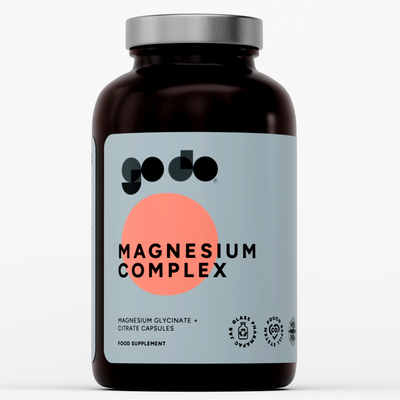
At Fitness Health, we specialise in premium, UK-made supplements that bridge the gap between your daily diet and your health goals. Our Magnesium Complex is designed for maximum absorption to support your active lifestyle without the premium price tag.

Shop our full range of Vitamins and Minerals here.
Recommended Internal Guides
- The Essential Guide to Zinc and Immune Health
- Understanding Vitamin B Complex for Natural Energy
- Omega-3: The Ultimate Support for Heart and Brain
FAQ
Q: Can I get enough Vitamin A from a vegan diet? A: Absolutely. By consuming plenty of 'vitamin a foods' like carrots, sweet potatoes, and leafy greens, your body converts beta-carotene into the active form of Vitamin A it needs.
Q: Why do I need to eat fat with Vitamin E? A: Vitamin E is fat-soluble. Without dietary fat (like oils, nuts, or avocado) present in the gut, your body cannot efficiently transport the vitamin across the intestinal wall into your bloodstream.
Q: How do I know if I am low in Magnesium? A: Common signs of sub-optimal magnesium include muscle twitches, frequent cramps, fatigue, and difficulty sleeping. However, a blood test is the most accurate way to confirm a deficiency.
Q: Is it better to get these nutrients from food or supplements? A: Food should always be the primary source because it contains synergistic compounds (like fibre and phytochemicals). Supplements are excellent for filling specific gaps or supporting higher physiological demands during training.
Article generated by Penny