If you're doing everything right: eating well, exercising consistently: but still gaining weight around your midsection, cortisol might be the culprit. This stress hormone plays a significant role in weight management, and women over 30 are particularly vulnerable to its effects.
Here's what's actually happening in your body, how to identify the warning signs, and what you can do to manage cortisol-related weight gain.
What Cortisol Does to Your Body
Cortisol is your body's primary stress hormone. It's released by your adrenal glands when you're under physical or psychological stress. In short bursts, cortisol is helpful: it gives you energy to handle challenges and helps regulate your metabolism.
The problem starts when cortisol levels stay elevated for extended periods. Chronic stress, poor sleep, restrictive dieting, and even excessive caffeine can keep your cortisol levels consistently high. When this happens, your body shifts into a state that actively promotes weight gain and makes fat loss nearly impossible.
Women experience higher stress levels and resulting cortisol production compared to men, which partly explains why stress-related weight gain affects women more severely.

How Elevated Cortisol Causes Weight Gain
Cortisol doesn't just make you gain weight: it specifically drives fat storage in the worst possible location: your abdomen. Here's the breakdown of what's happening:
Fat Storage and Metabolism Changes
When cortisol spikes, it signals your body to store more fat, particularly visceral fat around your internal organs. This "cortisol belly" isn't just cosmetic: visceral fat is metabolically active and increases your risk for diabetes, cardiovascular disease, and metabolic syndrome.
At the same time, elevated cortisol slows your metabolism, meaning you burn fewer calories at rest. You're storing more fat while burning less energy: a frustrating combination that makes weight management feel impossible.
Disrupted Hunger Hormones
Chronically high cortisol interferes with the hormones that regulate appetite, including leptin and ghrelin. This disruption leads to:
- Increased hunger even after eating adequate calories
- Poor satiety signals that make you feel unsatisfied after meals
- Intense cravings for high-calorie, high-carbohydrate foods
- Emotional eating patterns that bypass your body's natural hunger cues
Cortisol also triggers insulin release, which further drives sugar cravings and promotes fat storage. You're fighting both physiological and hormonal signals that push you toward overeating.
Muscle Breakdown and Reduced Testosterone
High cortisol levels break down muscle tissue over time. This process, called catabolism, reduces your overall muscle mass. Since muscle tissue burns more calories than fat tissue, losing muscle means your metabolism drops even further.
Additionally, excess cortisol suppresses testosterone production. While testosterone is often associated with men, women need it too for maintaining muscle mass and metabolic health. Lower testosterone accelerates muscle loss and makes it harder to build or maintain lean tissue.

Signs Your Cortisol Levels Are Too High
Weight gain isn't the only indicator of elevated cortisol. Watch for these additional symptoms:
Physical signs:
- Unexplained weight gain concentrated around your midsection, face (sometimes called "moon face"), and upper back
- Difficulty losing weight despite consistent diet and exercise efforts
- Thinning skin or easy bruising
- Purple or red stretch marks
- Slow healing of cuts and infections
Sleep and energy disruptions:
- Waking up at 3 AM or 4 AM and struggling to fall back asleep
- Feeling tired despite getting adequate sleep hours
- Energy crashes in the afternoon
- Difficulty falling asleep despite feeling exhausted
Mental and emotional symptoms:
- Increased anxiety or feelings of being overwhelmed
- Brain fog or difficulty concentrating
- Mood swings or irritability
- Reduced stress tolerance
Digestive issues:
- Bloating and digestive discomfort
- Changes in bowel habits
- Increased inflammation
If you're experiencing multiple symptoms from this list alongside stubborn weight gain, elevated cortisol could be the underlying issue.
Common Cortisol Triggers for Women Over 30
Understanding what's driving your cortisol up is the first step toward managing it. These are the most common triggers for women over 30:
Lifestyle factors:
- Poor sleep quality or insufficient sleep duration (less than 7 hours nightly)
- High caffeine intake, especially on an empty stomach or late in the day
- Excessive alcohol consumption
- Chronic work stress or caregiving responsibilities
- Restrictive dieting or calorie restriction below your body's needs
Hormonal changes:
- Perimenopause and menopause transitions
- Birth control pills and other hormonal contraceptives
- Polycystic ovary syndrome (PCOS)
Medications:
- Corticosteroid medications (like prednisone)
- Certain antidepressants
- Some asthma medications
Medical conditions:
- Cushing's syndrome (rare but serious condition of chronic cortisol excess)
- Thyroid disorders
- Chronic inflammatory conditions

What You Can Do About Cortisol-Related Weight Gain
Managing cortisol requires consistent lifestyle changes rather than quick fixes. These strategies address the root causes of elevated cortisol:
Prioritize Sleep Quality
Sleep is non-negotiable for cortisol management. Poor sleep directly elevates cortisol levels the following day.
Implement these sleep practices:
- Maintain consistent sleep and wake times, even on weekends
- Aim for 7-9 hours of quality sleep nightly
- Create a dark, cool sleeping environment (65-68°F is ideal)
- Limit screen exposure 1-2 hours before bed
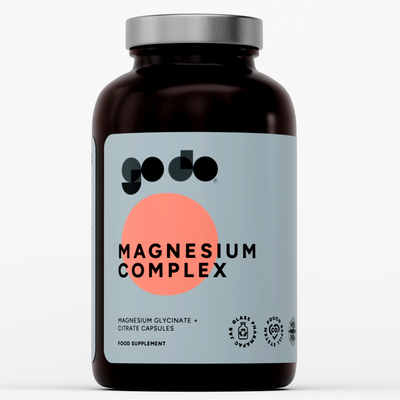
- Consider magnesium supplementation if you struggle with sleep onset (learn more about magnesium types here)
Adjust Your Training Approach
Exercise affects cortisol in complex ways. Moderate activity helps manage stress, but excessive high-intensity training can elevate cortisol further.
Balance your training:
- Limit high-intensity interval training to 2-3 sessions per week
- Include strength training to preserve and build muscle mass
- Add low-intensity activities like walking, yoga, or swimming
- Avoid training to failure in every session
- Take rest days seriously: your body needs recovery time
Manage Dietary Stress
Undereating is a significant stressor that elevates cortisol. If you're restricting calories heavily or cutting entire food groups, your body interprets this as a threat.
Adopt these nutrition practices:
- Eat adequate calories to support your activity level and body composition goals
- Include protein at every meal to stabilize blood sugar and support muscle maintenance
- Don't skip breakfast: eating within an hour of waking helps regulate cortisol's natural rhythm
- Limit added sugars and refined carbohydrates that spike insulin
- Reduce caffeine if you're consuming more than 2-3 cups daily
- Stay hydrated with at least 8 glasses of water daily
Implement Stress-Reduction Techniques
Direct stress management is essential for lowering baseline cortisol levels.
Try these evidence-based approaches:
- Practice 10-15 minutes of daily meditation or deep breathing exercises
- Spend time in nature: even 20 minutes outdoors reduces cortisol
- Maintain social connections and seek support when overwhelmed
- Set boundaries around work and technology use
- Consider therapy or counseling if chronic stress feels unmanageable
- Engage in activities you genuinely enjoy, not just "productive" tasks

When to See a Healthcare Provider
While lifestyle changes address most cortisol-related weight gain, some situations require medical evaluation:
- Rapid, unexplained weight gain despite no changes to diet or activity
- Severe or sudden changes in appearance (significant facial swelling, new purple stretch marks)
- Extreme fatigue that interferes with daily functioning
- Symptoms that persist despite implementing lifestyle changes for 3+ months
- Suspected Cushing's syndrome or other endocrine disorders
Your doctor can order cortisol testing (typically via blood, saliva, or urine samples) to determine if your levels are actually elevated and rule out underlying medical conditions.
The Bottom Line
Cortisol-related weight gain isn't about willpower or diet failure. It's a physiological response to chronic stress and elevated hormone levels that make weight management genuinely difficult.
For women over 30, hormonal changes compound these effects, making cortisol management even more critical. The solution isn't another restrictive diet or more intense workouts: those often make the problem worse. Instead, focus on addressing the underlying stressors: improve sleep, balance your training intensity, eat adequate calories, and implement genuine stress-reduction practices.
These changes take time. You won't see results overnight, but consistent implementation over 6-12 weeks typically produces noticeable improvements in both cortisol symptoms and body composition. The goal is sustainable change, not another temporary fix that adds more stress to your system.