Let's get straight to it: lifting weights will not make you bulky. Yet this myth keeps roughly 80% of women away from the weight rack, steering them toward endless cardio sessions that deliver a fraction of the results they're after.
This isn't just unfortunate: it's actively holding women back from achieving their fitness goals faster and more effectively. The truth is, strength training is one of the most powerful tools women have for fat loss, body composition changes, and long-term metabolic health.
Why This Myth Refuses to Die
The "bulky" fear didn't appear out of nowhere. It's been reinforced by decades of outdated gender norms, misleading fitness marketing, and frankly terrible medical advice from the 20th century that portrayed women as physically fragile.
The fitness industry hasn't helped. For years, magazines and workout programs marketed cardio-heavy routines to women while reserving strength training content for men. The message was clear: women should be slim and toned (whatever that means), while men should be strong and muscular.
Add in selective images of female bodybuilders: who are genetic outliers using performance-enhancing substances: and you've got a recipe for misconception that's proven remarkably stubborn.
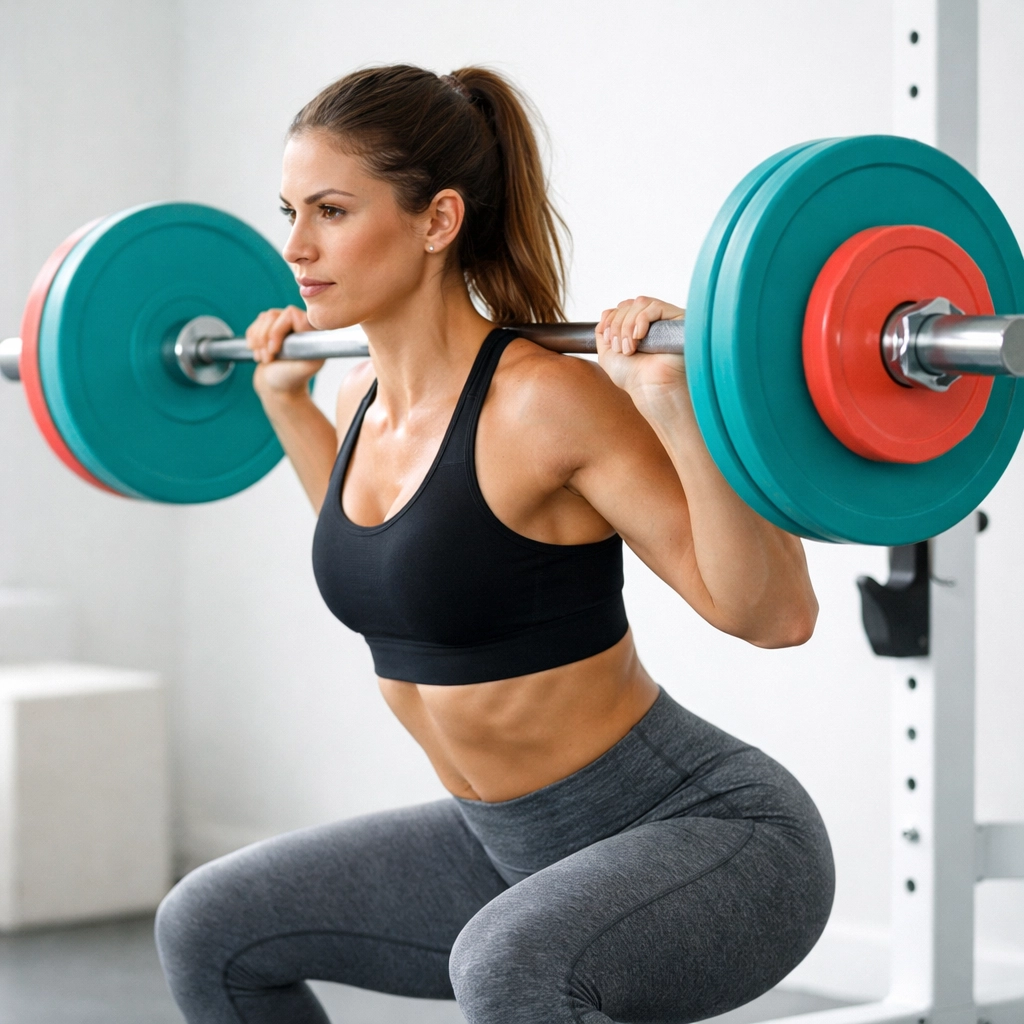
The Biological Reality: Why Women Don't Bulk Easily
Here's what actually matters: testosterone. Men produce 15-20 times more testosterone than women naturally. This hormone is the primary driver of muscle growth, particularly the kind of significant mass gains that lead to a "bulky" appearance.
When women lift weights, they build strength and lean muscle tissue, but the visual result looks completely different from what happens to men following the same program. Women develop shape, definition, and firmness: not bulk.
Even female athletes who train intensely for years typically don't achieve the muscular size that many women fear. The professional bodybuilders you've seen have spent years training with specific hypertrophy protocols, following extreme nutrition plans, and often using substances that dramatically alter natural hormone levels.
For the average woman lifting 3-4 times per week? You're going to get stronger, leaner, and more defined. Full stop.
What Actually Happens When Women Lift Heavy
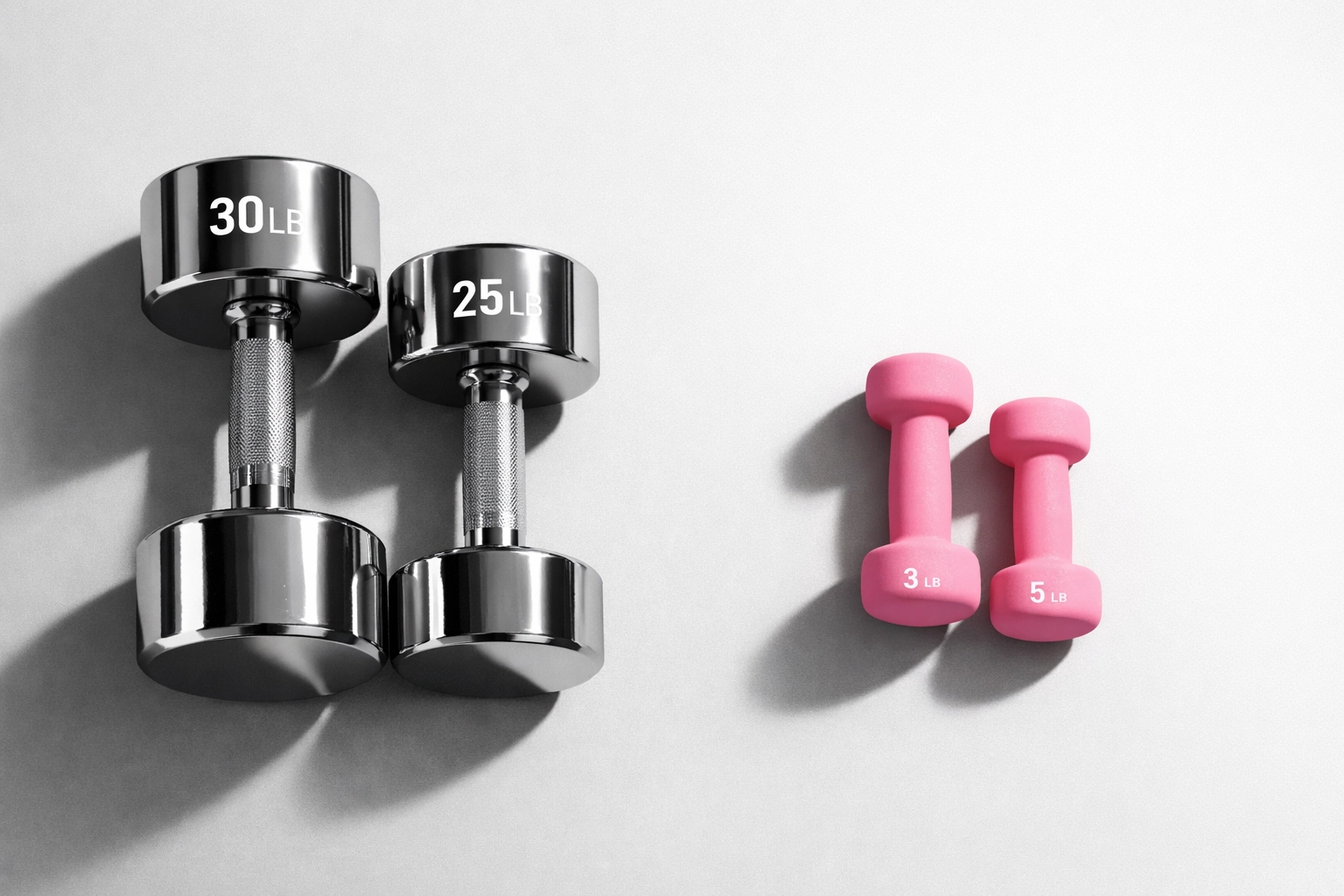
Research shows that women who lift challenging weights for 8 reps burn nearly twice as many calories as those doing 15 reps with light dumbbells. Let that sink in: lifting heavier is more effective for fat loss, not less.
Here's what you can actually expect from a solid strength training program:
Immediate benefits (first 4-8 weeks):
- Increased strength without visible size changes
- Improved posture and body awareness
- Better sleep quality
- Enhanced mood and mental clarity
- Noticeable increases in daily energy
Medium-term changes (2-6 months):
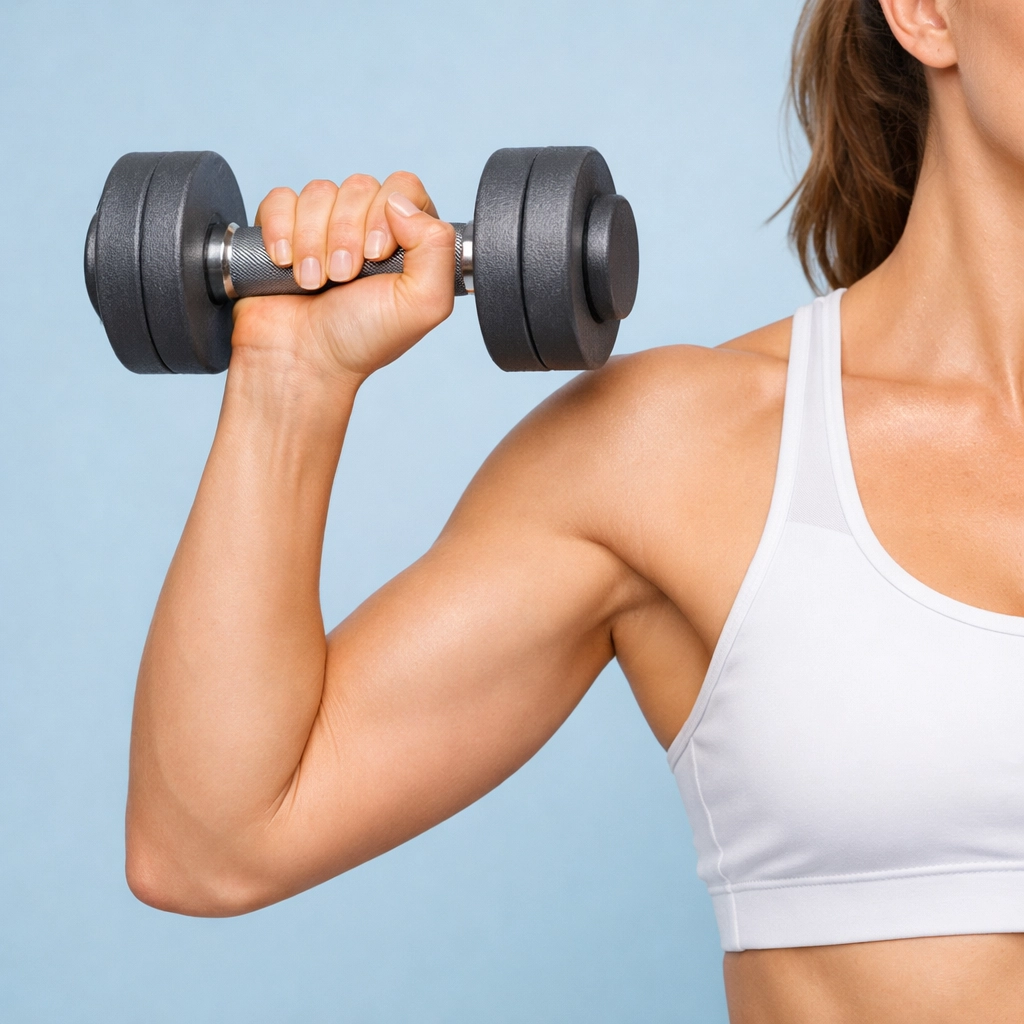
- Visible muscle definition in arms, shoulders, and legs
- Reduced body fat percentage
- Tighter, firmer appearance overall
- Increased metabolic rate (you burn more calories at rest)
- Improved bone density
Long-term results (6+ months):
- Significant body recomposition (more muscle, less fat)
- Athletic, lean physique
- Substantial strength gains in compound movements
- Protected metabolic health as you age
- Reduced risk of osteoporosis and age-related muscle loss
The Compound Lift Advantage
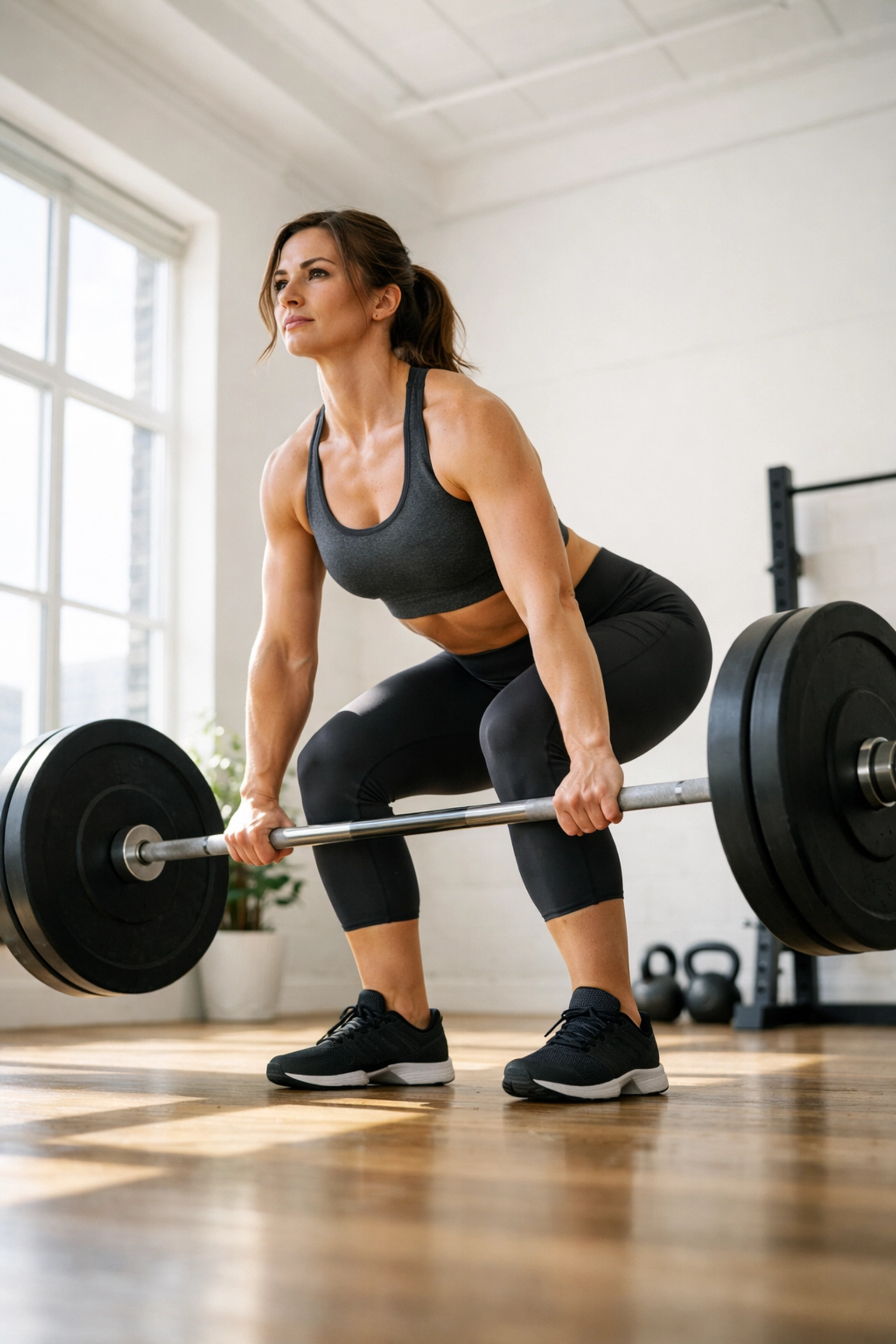
Women benefit from the same foundational exercises as men: squats, deadlifts, bench presses, rows, and overhead presses. These compound movements engage multiple muscle groups simultaneously, making your training time more efficient and your results more dramatic.
A properly executed squat works your glutes, quads, hamstrings, core, and even upper back. Compare that to 30 minutes on the elliptical, which primarily works your cardiovascular system with minimal muscle engagement.
The best part? You don't need to spend hours in the gym. Three 45-minute strength sessions per week, focused on progressive overload with compound movements, will deliver better body composition results than five hours of cardio.
For more on building an effective training structure, check out our guide on compound vs isolation exercises.
Related Myths That Need to Die
"Women should lift lighter weights to avoid injury"
Actually, lifting weights that are too light increases injury risk because you're more likely to use poor form and momentum. Proper technique with challenging weight builds joint stability and protective muscle around vulnerable areas.
"Cardio is the only way women can lose weight"
Strength training preserves muscle mass while you're in a calorie deficit, which keeps your metabolism running efficiently. Cardio alone often leads to muscle loss along with fat loss, which can leave you "skinny fat" and with a slower metabolism than when you started.
"Machines are safer than free weights for women"
Machines lock you into fixed movement patterns that don't account for individual body mechanics. Free weights force you to stabilize the load yourself, building functional strength that transfers to real-world activities. Start with bodyweight movements or light dumbbells to learn proper form, then progress from there.
How to Start Lifting Without Fear
If you've been avoiding the weight room, here's your practical starting point:
Week 1-2: Learn the patterns
- Focus on bodyweight squats, push-ups, hinges, and rows
- Perfect your form with no external load
- Work with a qualified trainer if possible to establish proper technique
Week 3-4: Add light resistance
- Introduce dumbbells or an empty barbell
- Stick to 3 sets of 8-12 reps per exercise
- Focus on control, not speed
Week 5-8: Progressive overload begins
- Gradually increase weight when you can complete all reps with good form
- This might mean adding 2.5-5 pounds every 1-2 weeks
- Track your workouts to ensure consistent progression
Beyond 8 weeks: Structured programming
- Follow a proven program that progresses logically
- Consider periodization strategies that vary intensity
- Incorporate deload weeks every 4-6 weeks
The key principle? Progressive overload: gradually increasing the demands you place on your muscles over time. For more detail on this concept, see our article on what most lifters get wrong about progressive overload.
What About Seeing Muscle Growth?
Some women do notice increased muscle size when they start lifting, typically in the first few weeks. This is usually not actual muscle growth but rather water retention and glycogen storage in your muscles: completely normal and temporary.
Actual muscle growth (hypertrophy) happens gradually. You'll notice improved shape and definition long before you'd describe yourself as "big." And if you do reach a level of muscularity you're happy with, you can simply maintain it rather than continuing to add size.
Your body doesn't accidentally get bulky overnight. It responds to the consistent stimulus you provide over months and years. You're always in control of how far you take your training.
The Real Results Women See
Women who embrace strength training consistently report similar outcomes:
- Fitting into smaller clothes despite weighing the same or more
- Feeling confident in sleeveless tops for the first time
- Carrying groceries, playing with kids, and handling daily tasks with ease
- Looking "toned" and "athletic" without restricting food severely
- Improved body image and mental health
- Better aging trajectory with maintained strength and independence
These results come from building lean muscle tissue, not from burning it away through excessive cardio and under-eating.
Your Action Plan
Stop avoiding weights because of a myth rooted in outdated thinking and marketing tactics. Your body is capable of becoming strong, lean, and powerful without becoming bulky.
Start with 2-3 strength sessions per week focusing on major compound movements. Track your progress by how much weight you can lift, not just what the scale says. Give yourself at least 12 weeks of consistent training before judging results.
The weight room isn't just for men, and building strength isn't something to fear. It's one of the most valuable investments you can make in your long-term health, body composition, and quality of life.
The only thing you'll regret is not starting sooner.