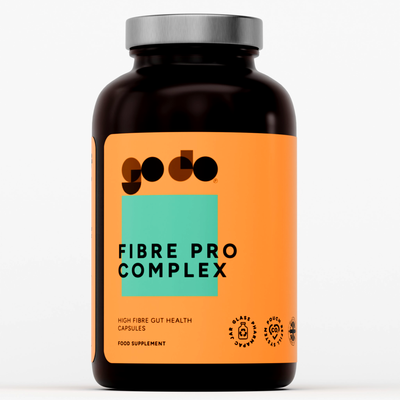
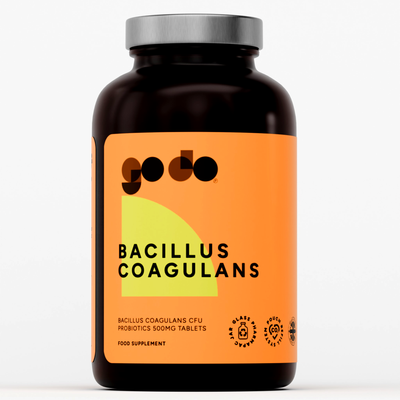
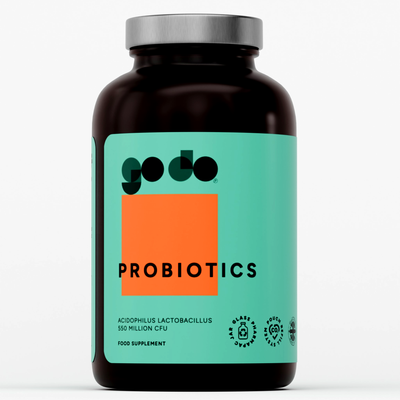
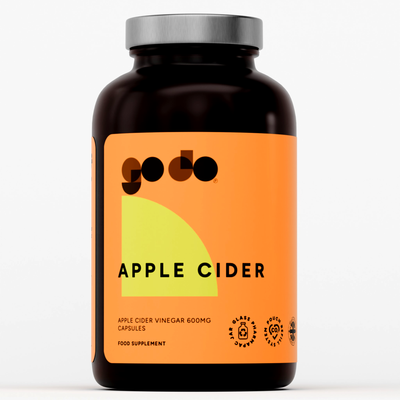
In the world of fitness and bodybuilding, the traditional focus has always been on the "Big Three" macros: protein, carbohydrates, and fats. For decades, fiber was relegated to the sidelines, viewed merely as a tool for digestive regularity. However, as we move through 2026, a paradigm shift is occurring. The rise of the "#fibermaxxing" trend has brought the gut-muscle axis into the spotlight, proving that what happens in your microbiome is just as important as what happens in the weight room.
Fibermaxxing is the practice of intentionally maximizing dietary fiber intake: often exceeding the standard recommended 25–38 grams per day: to optimize athletic performance, recovery, and metabolic health. This isn't just about digestion; it’s about biological synergy.
Understanding the Gut-Muscle Axis
The gut-muscle axis refers to the bidirectional communication between the gut microbiota and skeletal muscle mass. Research now suggests that the health and diversity of your gut bacteria directly influence muscle protein synthesis, mitochondrial function, and overall physical strength.
When you consume high amounts of fiber, your gut bacteria ferment these prebiotic fibers into metabolites called Short-Chain Fatty Acids (SCFAs), such as acetate, propionate, and butyrate. These SCFAs enter your bloodstream and act as signaling molecules that can influence muscle tissue.
The Role of Short-Chain Fatty Acids (SCFAs)
Butyrate, in particular, has gained attention for its anti-inflammatory properties. In the context of strength training, SCFAs provide several key benefits:
- Energy Production: SCFAs can be used by the body as an additional energy source, potentially sparing muscle glycogen during intense sessions.
- Mitochondrial Biogenesis: Early studies indicate that a healthy microbiome may stimulate the production of new mitochondria in muscle cells, increasing your capacity for high-intensity work.
- Insulin Sensitivity: Improved gut health is linked to better glucose disposal, meaning the carbohydrates you eat are more likely to be used for muscle fuel rather than stored as fat.

Why Fibermaxxing is Essential for Muscle Recovery
One of the biggest hurdles to gaining strength is systemic inflammation. While acute inflammation is necessary for muscle growth (the "pump" and the micro-tears from lifting), chronic inflammation hinders recovery and leads to overtraining syndrome.
Reducing Post-Workout Inflammation
Fibermaxxing helps regulate the body’s inflammatory response. High-fiber diets are consistently linked to lower levels of C-reactive protein (CRP), a common marker of inflammation. By keeping systemic inflammation in check, your body can focus its resources on repairing muscle fibers rather than managing full-body stress.
Enhancing Nutrient Absorption
You are not what you eat; you are what you absorb. A compromised gut lining (often called "leaky gut") can lead to poor nutrient uptake and systemic low-grade inflammation. Fiber acts as a fuel source for the cells lining your intestines (enterocytes), strengthening the gut barrier.
For athletes consuming high-protein diets, gut health is even more critical. High protein intake without adequate fiber can lead to "proteolytic fermentation," which produces metabolic byproducts that can irritate the gut lining. Balancing your protein with a fiber-rich strategy ensures that your gut health remains optimal, allowing for maximum absorption of amino acids and micronutrients.
The Science of Fiber and Glucose Stabilization
Peak performance requires stable energy levels. One of the primary benefits of the #fibermaxxing movement is its impact on blood glucose levels. Soluble fiber creates a gel-like substance in the gut that slows the absorption of sugar.
For a strength athlete, this means:
- No Energy Crashes: By slowing digestion, fiber provides a steady release of energy, preventing the "bonk" that can happen mid-workout.
- Optimal Insulin Response: Steady glucose levels mean a more controlled insulin response. Insulin is highly anabolic, but its efficiency depends on your body's sensitivity to it. Fiber enhances this sensitivity.
If you are currently focusing on weight loss while trying to maintain muscle mass, fiber is your greatest ally. It increases satiety, making it easier to stick to a caloric deficit without losing strength.
How to Implement a Fibermaxxing Protocol
If you are currently eating the standard Western diet, you are likely consuming less than 15g of fiber daily. Jumping straight to 50g can cause significant gastrointestinal distress. To adopt the fibermaxxing trend safely, follow this progressive protocol.
Step 1: Assess Your Current Intake
Track your food for three days using a digital app. Calculate your average daily fiber intake. Most people are surprised by how low their numbers actually are.
Step 2: The 5-Gram Incremental Rule
Increase your daily fiber intake by no more than 5 grams per week. This gives your microbiome time to adapt and prevents bloating or cramping.
- Week 1: Add one serving of beans or a high-fiber supplement.
- Week 2: Swap white rice for quinoa or brown rice.
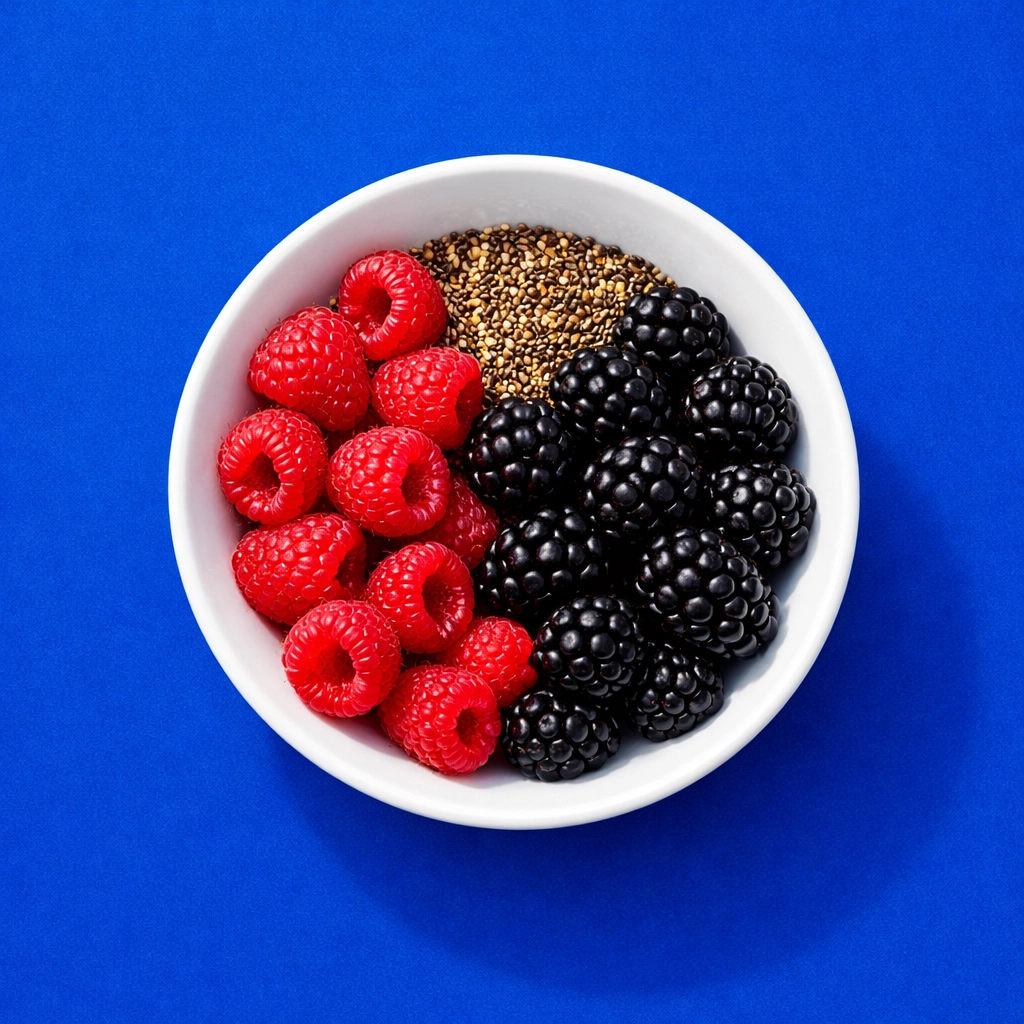
- Week 3: Introduce high-fiber fruits like raspberries or blackberries.
Step 3: Prioritize Variety
The gut-muscle axis thrives on microbial diversity. This requires diverse fiber sources. Aim for "30 Plants per Week," including:
- Legumes: Lentils, chickpeas, black beans.
- Whole Grains: Oats, barley, buckwheat.
- Cruciferous Vegetables: Broccoli, cauliflower, Brussels sprouts.
- Root Vegetables: Sweet potatoes, carrots.
- Nuts and Seeds: Chia seeds, flaxseeds, pumpkin seeds.
Step 4: Hydration is Mandatory
Fiber pulls water into the colon. If you increase fiber without increasing water, you will become constipated. Aim for an extra 500ml of water for every 10g of fiber added to your diet.

Fibermaxxing and Supplements: Finding the Balance
While whole foods should always be your foundation, supplements can help bridge the gap, especially during heavy training cycles where calorie density is high.
- Prebiotics: Supplements containing Inulin or FOS (Fructooligosaccharides) specifically feed the beneficial bacteria that produce those muscle-supporting SCFAs.
- Probiotics: Introducing live beneficial bacteria can help repopulate a gut that has been stressed by high-intensity training or antibiotics. You can find targeted formulas in our gut health collection.
- Antioxidants: To further support the anti-inflammatory effects of fiber, consider stacking your high-fiber diet with antioxidant supplements. This combination creates a powerful environment for muscle recovery.
The Connection to Immune Health
Did you know that 70-80% of your immune cells reside in your gut? In the context of the gut-muscle axis, a strong immune system is vital for consistent training. Every time you lift heavy, you are temporarily suppressing your immune system. If your gut is healthy and your fiber intake is high, your body is better equipped to fight off minor illnesses that could otherwise sideline your progress.
Summary Checklist for Fibermaxxing
- Target: Aim for 35–50g of fiber daily (adjusted for body weight and caloric intake).
- Diversity: Eat at least 20–30 different plant types per week.
- Timing: Keep fiber lower in your immediate pre-workout meal to avoid heaviness, but maximize it in all other meals.
- Hydration: Drink at least 3–4 liters of water daily.
- Consistency: The gut microbiome changes quickly, but it also reverts quickly. Keep your fiber intake consistent even on rest days.
Final Thoughts
The #fibermaxxing movement isn't just a social media trend; it's a realization of how the human body operates as a complete ecosystem. By feeding your microbiome, you are essentially "tuning the engine" that powers your muscles.
Strength is built in the gym, but it is fueled and maintained in the gut. If you want to see better gains, faster recovery, and more consistent energy levels in 2026, it’s time to stop ignoring your fiber and start prioritizing the gut-muscle axis.
For more information on optimizing your health and fitness journey, visit our FAQ page or contact our customer service team.
Disclaimer: The information provided in this blog is for educational purposes only and does not constitute medical advice. Always consult with a healthcare professional before making significant changes to your diet or supplement routine, especially if you have underlying digestive conditions like IBD or IBS.