Combining quercetin with bromelain supports immune balance and calms inflammation better than quercetin alone, largely because bromelain appears to boost how much quercetin your body actually absorbs. Typical dosing often falls within a moderate range of quercetin and bromelain daily, and noticeable effects on allergy symptoms or recovery commonly take several weeks. Skip it or check with a doctor first if you take blood thinners, are pregnant, or have liver disease.
TL;DR:
- Bromelain enhances quercetin absorption by breaking down proteins in the gut, making the antioxidant more effective over a prolonged period of daily use.
- Typical doses are around 500 mg of quercetin daily, combined with moderate amounts of bromelain, with noticeable effects usually taking six to twelve weeks.
- Short-term studies show plasma quercetin levels increase significantly, but systemic anti-inflammatory effects generally require longer, more consistent dosing.
- Pregnant, breastfeeding, bleeding risk, liver, or kidney conditions warrant medical consultation before starting; children should only use if prescribed.
- Quality supplements should specify quercetin form and enzyme activity units, and a gradual dose increase helps minimize gastrointestinal discomfort.
Table of Contents
- What Does the Research Say About Quercetin With Bromelain?
- How Much Quercetin and Bromelain Should You Take?
- Who Should Avoid Quercetin and Bromelain?
- Why Does Bromelain Improve Quercetin Absorption?
- How Do You Choose a Quality Quercetin Bromelain Supplement?
- Fitnesshealth’s Take on Evidence-Based Immune Support
- When Should You Skip Quercetin and Bromelain Entirely?
- How Does This Combo Compare to Other Anti-Inflammatory Options?
- What the Evidence Actually Tells You to Prioritize
- Where to Find Quality Quercetin and Bromelain Supplements
- Sources
- FAQ
What Does the Research Say About Quercetin With Bromelain?
Quercetin is a plant flavonoid found in onions, apples, and capers. Bromelain is an enzyme extracted from pineapple stems. On their own, each has a modest research record. Together, the pitch is that bromelain’s enzymatic activity helps break down proteins that would otherwise block quercetin from crossing the gut wall intact, while also contributing its own anti-inflammatory action.
At the cellular level, quercetin works mainly two ways. It acts as an antioxidant, neutralizing free radicals that drive oxidative stress, and it stabilizes mast cells, the immune cells responsible for releasing histamine during allergic reactions. That mast cell effect is why quercetin shows up so often in allergy formulas. Bromelain layers on a separate mechanism, interfering with inflammatory signaling molecules called bradykinins and reducing the buildup of fibrin, which is part of why it’s associated with less swelling and bruising after minor injuries or dental work.
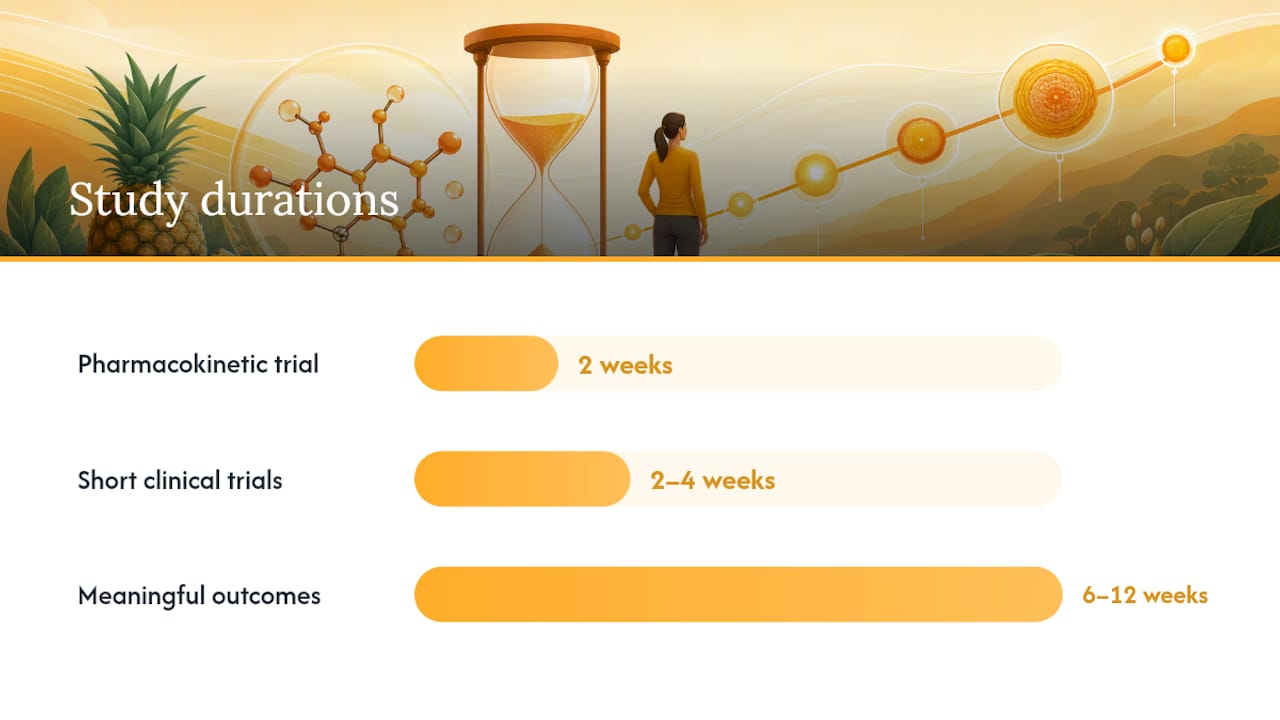
The clinical picture is encouraging but not uniform. Research summarized by Examine points to real benefit for allergy symptoms and some markers of inflammation at supplement doses, though results shift depending on age, baseline health, and how a study is designed. A 2-week pharmacokinetic trial testing 50 to 150 mg of quercetin aglycone daily found that plasma quercetin levels rose in a dose-dependent way, jumping between 178% and 570% depending on the dose, yet broad inflammation and antioxidant markers didn’t move in that short window. That’s an important nuance: getting quercetin into your bloodstream and getting a measurable systemic anti-inflammatory effect are two different things, and the second one usually takes longer than two weeks.
What the evidence supports and where it gets shakier:
- Allergy and histamine response: Reasonably consistent support for symptom relief, tied to quercetin’s mast cell stabilizing action.
- Bruising and post-exercise soreness: Bromelain has a longer track record here, mostly from studies on swelling after dental and minor surgical procedures.
- General systemic inflammation: Mixed. Short trials (2 to 4 weeks) often show plasma changes without matching shifts in inflammatory blood markers.
- Timescale: Most studies that do report meaningful outcomes run 6 to 12 weeks, not two.
Statistic Callout: A pharmacokinetic trial found that a single 150 mg dose of quercetin reached peak plasma concentration about six hours after ingestion, meaning quercetin builds slowly and rewards consistent daily dosing rather than one-off use before a big event.
Vitamin C is frequently stacked alongside quercetin, and there’s a reasonable mechanistic case for it: a review on oxidative stress and neurodegeneration found protective synergy between vitamin C and quercetin in supporting antioxidant defenses. If you’re already interested in how antioxidants affect recovery, it’s worth reading how they function in athletic recovery and inflammation management more broadly.
How Much Quercetin and Bromelain Should You Take?
Dosing for this combo isn’t standardized by a single regulatory body, so most of what’s available comes from practitioner guidance and typical commercial formulations rather than one universal protocol.
Common ranges people use:
- Quercetin: Typical commercial doses are often around 500 mg once or twice daily, with some formulas using higher amounts.
- Bromelain is commonly measured in milligrams or GDU (gelatin digesting units), with many products providing moderate daily amounts standardized for enzymatic activity.
- Combined products: many supplement brands package quercetin and bromelain together in a single capsule, aiming for synergy rather than requiring you to dose each separately.
A practitioner-facing resource on quercetin notes it’s generally well tolerated across a fairly wide dose range, but also flags that different chemical forms of quercetin behave differently in the body, which changes how much you actually need.
Timing matters more than most labels admit. Bromelain is typically recommended on an empty stomach, taken between meals, because that’s when its enzymatic activity is directed at inflammation rather than digesting your lunch. Quercetin, on the other hand, can be taken with or without food, though pairing it with a small amount of fat may help absorption since it’s fat-soluble to a degree.
Formulation changes the math:
- Quercetin aglycone (the plain form) is the most studied but has notably low natural bioavailability.
- Quercetin glucosides are chemically modified for better gut absorption and may allow for a lower effective dose.
- Quercetin phytosomes bind quercetin to a phospholipid carrier, another strategy aimed at getting more of it past the gut wall.
- Water-soluble formulations, sometimes paired with vitamin C, are marketed specifically to address quercetin’s poor solubility in water.
Pro Tip: Start at the lower end of the dose range for the first week and pay attention to digestion. If you tolerate it well, you can move to a twice-daily schedule. If you notice GI discomfort, take it with a small meal instead of on an empty stomach.
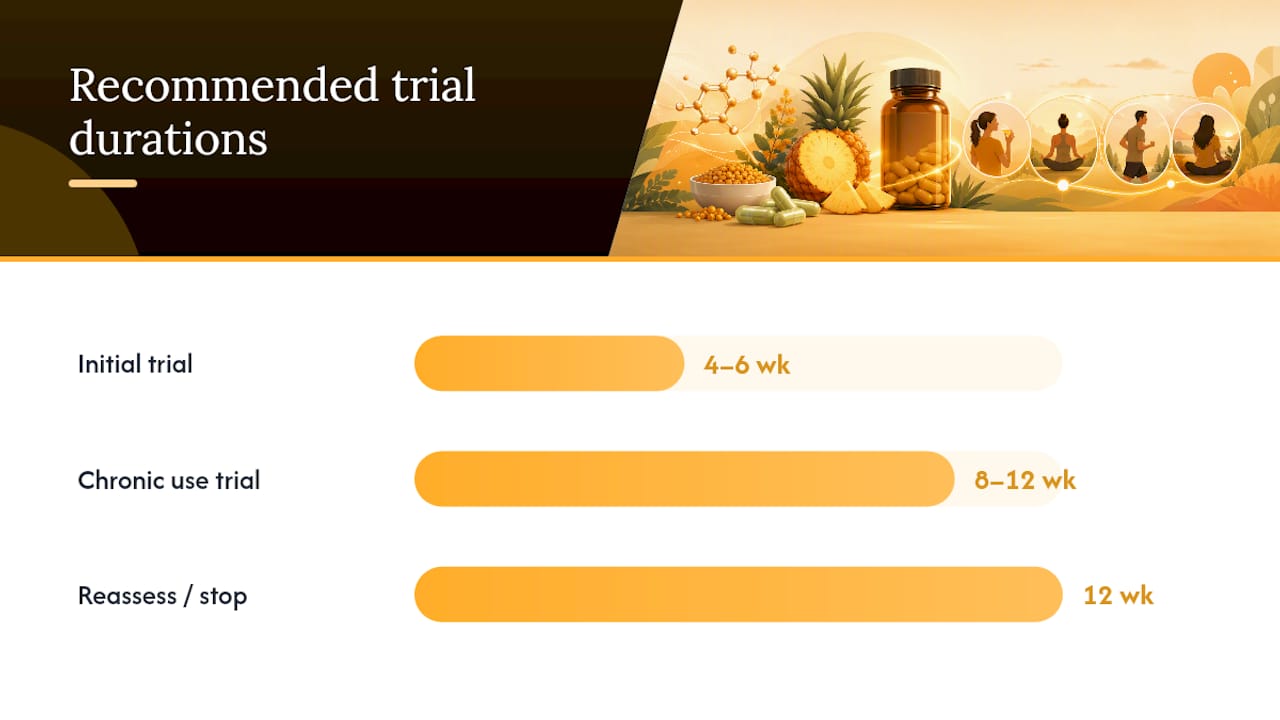
Give any regimen 4 to 6 weeks before judging whether it’s working, and 8 to 12 weeks for anything related to chronic inflammation or joint comfort. If you notice no change in symptoms after 12 weeks, or you develop new digestive issues, unusual bruising, or skin reactions, that’s your signal to stop and check in with a clinician rather than pushing the dose higher.
Who Should Avoid Quercetin and Bromelain?
Most healthy adults tolerate this combination without incident, but “most” isn’t “everyone,” and the risk profile changes meaningfully for certain groups.
The most commonly reported side effects are mild: headache, tingling sensations, and gastrointestinal upset like nausea or stomach cramping, especially when bromelain is taken with food instead of between meals. Allergic reactions are rare but possible, particularly in people with pineapple or latex allergies, since bromelain shares some cross-reactive proteins with latex.
The bigger concern is bleeding risk. Bromelain has mild antiplatelet activity, meaning it can thin the blood slightly on its own, and that effect compounds when combined with actual blood-thinning medication.
- Avoid or get medical clearance first if you’re pregnant or breastfeeding. There isn’t enough safety data in these populations to recommend supplementing without a doctor’s input.
- Talk to your doctor before combining with anticoagulants or antiplatelet drugs like warfarin, clopidogrel, or even regular aspirin, since bromelain’s effect on platelets can add to bleeding risk.
- Use caution with liver disease. Quercetin is metabolized in part through liver pathways, and a regulatory monograph on quercetin recommends conservative dosing and flags the need for caution in people with impaired liver function.
- Check interactions if you take drugs metabolized via sulfation, a liver detoxification pathway that quercetin can influence, potentially altering how quickly certain medications clear your system.
- Skip it for children unless a pediatrician specifically recommends it. Dosing data in kids is essentially absent.
If you’re starting this combo while on any prescription medication, the safest approach is boring but effective: start at the lowest dose, keep a simple log of symptoms and timing, and bring that log to your next appointment so your prescriber can flag anything concerning early.
Why Does Bromelain Improve Quercetin Absorption?
Quercetin’s biggest practical limitation isn’t whether it works. It’s whether enough of it gets into your bloodstream to do anything. On its own, quercetin aglycone has notoriously poor water solubility, and a meaningful share of an oral dose never makes it past the gut.
The pharmacokinetic data on this is genuinely useful for setting expectations. In one trial, daily doses between 50 and 150 mg of quercetin aglycone produced dose-dependent increases in plasma concentration ranging from 178% to 570%, but individual responses varied widely from person to person, meaning two people on the identical dose can end up with very different blood levels.
What this means practically:
- There’s no single “correct” dose that guarantees a specific blood level.
- Higher doses do raise plasma quercetin, but the increase isn’t perfectly linear or predictable.
- Peak plasma levels arrive slowly, around six hours after ingestion for higher doses, reinforcing that this is a daily-consistency supplement, not a same-day fix.
Bromelain’s proposed role here is twofold. Its proteolytic (protein-breaking) activity may reduce degradation of quercetin in the gut, and its own anti-inflammatory signaling can act additively alongside quercetin’s mast cell stabilizing effect rather than duplicating it.
If bioavailability is your main concern, formulation matters as much as dose. Manufacturers now sell water-soluble quercetin formats and quercetin bound to vitamin C (quercetin ascorbate) specifically to work around the solubility problem, an approach reflected in commercial quercetin ascorbate formulations. When reading a label, look for two things specifically: a standardized quercetin amount stated in milligrams, and bromelain activity listed in GDU or MCU rather than just a raw milligram weight, since enzyme potency varies by extraction method.
How Do You Choose a Quality Quercetin Bromelain Supplement?
A supplement label tells you almost everything you need to know if you read it correctly. Skip products that list a proprietary blend without breaking out individual amounts. You want to see the exact milligram dose of quercetin and the bromelain activity level (GDU or MCU) stated separately, not buried in a combined “immune complex” total.
Selection checklist:
- Third-party testing or a certificate of analysis for purity and potency.
- Clear labeling of quercetin form (aglycone, glucoside, or phytosome).
- Bromelain activity stated in enzymatic units, not just weight.
- An allergen statement, especially given bromelain’s pineapple and potential latex cross-reactivity.
A sensible trial plan:
- Start with the lowest labeled dose for one week and track digestion and any allergy symptoms.
- If tolerated, move to the full labeled dose and continue for 4 to 6 weeks, noting changes in allergy symptoms, soreness, or general inflammation.
- Reassess at 8 to 12 weeks. No improvement by then usually means this particular formula, or this approach altogether, isn’t the right fit for you.
- Stop and consult a clinician if you notice unusual bruising, prolonged bleeding from small cuts, or digestive symptoms that don’t resolve.
Pro Tip: Before starting, write down every medication and supplement you currently take, including aspirin or fish oil. Bring that list to your pharmacist or doctor, even for a quick five-minute check, since bleeding-risk interactions are the one thing worth ruling out before you start.
If you have liver disease or are pregnant, that conversation with a clinician should happen before you buy the bottle, not after.
Fitnesshealth’s Take on Evidence-Based Immune Support
Some supplement retailers focus on connecting readers to supplements backed by real mechanistic and clinical reasoning rather than marketing claims alone. For more background on supporting your immune system through diet and lifestyle, see our guide on boosting immune function naturally, and for the antioxidant angle specifically, read how vitamin C supports immune function.
This article is written by Rene.
When Should You Skip Quercetin and Bromelain Entirely?
Beyond drug interactions, certain health conditions call for extra caution or outright avoidance. If you have a bleeding disorder like hemophilia or von Willebrand disease, bromelain’s mild antiplatelet activity adds unnecessary risk on top of an already compromised clotting system.
People with hormone-sensitive conditions should also pay attention. Quercetin has weak estrogenic activity in laboratory studies, and while human data on this effect is limited, it’s a reasonable point of caution if you have a history of hormone-sensitive cancer or endometriosis, worth a specific conversation with your oncologist or gynecologist rather than a guess.
Anyone scheduled for surgery should stop both supplements at least two weeks beforehand, given bromelain’s effect on clotting and quercetin’s mild interaction with drug metabolism pathways. Surgeons routinely ask about supplements for exactly this reason, and bromelain is one they flag often.
Kidney function is another consideration. Quercetin is processed and excreted partly through the kidneys, so people with significant kidney impairment should get personalized dosing guidance rather than following a standard commercial label. And if you have a known sensitivity to ragweed, chrysanthemums, marigolds, or daisies, mention it before trying bromelain, since cross-reactivity within that plant family has been reported anecdotally in clinical settings.
None of this means these conditions make supplementation impossible. It means the standard label dose was written for an average healthy adult, not for your specific situation.
How Does This Combo Compare to Other Anti-Inflammatory Options?
Quercetin with bromelain sits in a middle tier of natural anti-inflammatory options: better studied than many trendy botanicals, less studied than a handful of well-established alternatives.
Curcumin (from turmeric) has a deeper clinical trial base for joint inflammation specifically, though it shares quercetin’s absorption problem and usually needs piperine or a lipid-based formulation to work well. Omega-3 fatty acids from fish oil have some of the strongest evidence for lowering systemic inflammatory markers over months of consistent use, working through a completely different pathway involving prostaglandin balance rather than mast cell stabilization.
For allergy-specific relief, quercetin’s mast cell stabilizing action puts it in a similar functional category to natural antihistamine-adjacent compounds, though it works upstream of histamine release rather than blocking histamine receptors directly like an antihistamine drug does. Vitamin C, discussed earlier for its synergy with quercetin, has broader but shallower antioxidant support on its own.
The practical takeaway: quercetin with bromelain isn’t a replacement for a well-rounded anti-inflammatory approach that includes diet, omega-3 intake, and sleep. It’s one tool that specifically targets mast cell activity and mild inflammatory swelling, best used alongside those broader habits rather than instead of them.
What the Evidence Actually Tells You to Prioritize
The honest read of the research is that quercetin with bromelain works best as a targeted tool for allergy symptoms and minor inflammatory swelling, not as a broad fix for systemic inflammation. Conventional supplement marketing tends to blur that line, implying one capsule handles everything from seasonal allergies to joint pain to immune defense. The pharmacokinetic data doesn’t support that kind of universal claim, and the short trials showing plasma changes without matching inflammatory marker shifts are a useful reality check.
What I’d prioritize first: formulation over dose size. A well-absorbed 500 mg dose beats an oversized dose of poorly absorbed aglycone quercetin every time. Second, patience. Six to eight weeks of consistent daily use tells you more than any single day’s effect ever will. Third, take the bleeding-risk warnings seriously even if you feel fine, because that risk is quiet until it isn’t.
— Rene
Where to Find Quality Quercetin and Bromelain Supplements
Reading labels and checking interactions only gets you halfway. You still need a source you trust for the actual product. A strong positioning in this category emphasizes quality control with in-house testing and formulations grounded in real science, rather than trend-chasing marketing copy, which matters most in a category like this one where enzyme activity units and quercetin form genuinely change how well a product performs.
The Immunity collection on Fitnesshealth brings together vetted options for immune and inflammatory support so you’re not cross-referencing five different brand websites just to compare bromelain activity units. Before you buy anything, check the label for standardized quercetin amounts and bromelain GDU or MCU activity, and if you’re on any prescription medication, run it by your pharmacist first. Browse the collection, compare labels side by side, and pick the formulation that matches the dosing approach that fits your situation.
This article is general information, not a substitute for advice from a qualified doctor. Consult a qualified healthcare professional about your own circumstances before acting on anything here.
Sources
- Protective effects of quercetin and vitamin C against oxidative stress-induced neurodegeneration
- Daily quercetin supplementation dose-dependently increases plasma quercetin concentrations in healthy humans
- Quercetin overview and dosage guidelines (Integrative Therapeutics / practitioner resource)
- Examine
FAQ
What Are the Benefits of Taking Quercetin With Bromelain?
The combination is most consistently linked to allergy symptom relief and reduced swelling or bruising, thanks to quercetin’s mast cell stabilizing action and bromelain’s anti-inflammatory enzymatic activity. Evidence on broader systemic inflammation is more mixed, with short trials showing plasma changes but not always matching shifts in inflammatory markers.
Who Should Avoid Taking Quercetin?
People who are pregnant or breastfeeding, those on blood thinners or antiplatelet medication, and anyone with significant liver or kidney disease should talk to a doctor before starting. Quercetin should generally be avoided in children unless specifically recommended by a pediatrician.
Is Quercetin Hard on the Liver?
Quercetin is metabolized in part through the liver, and regulatory monograph guidance recommends conservative dosing and caution for people with existing liver conditions rather than flagging it as broadly liver toxic. Healthy adults at standard supplement doses generally tolerate it without liver-related issues.
What Are the Side Effects of Quercetin and Bromelain?
The most commonly reported side effects are mild: headache, tingling, and gastrointestinal upset, especially if bromelain is taken with food instead of between meals. Rare allergic reactions can occur, particularly in people sensitive to pineapple or latex, and bromelain’s mild blood thinning effect is the main risk to watch for if you’re on anticoagulant medication.
Does Fitnesshealth Sell Quercetin and Bromelain Supplements?
Yes, quercetin and bromelain formulations are available through the Immunity collection on Fitnesshealth, alongside other immune-support products. Current pricing and specific formulations are listed directly on the site.