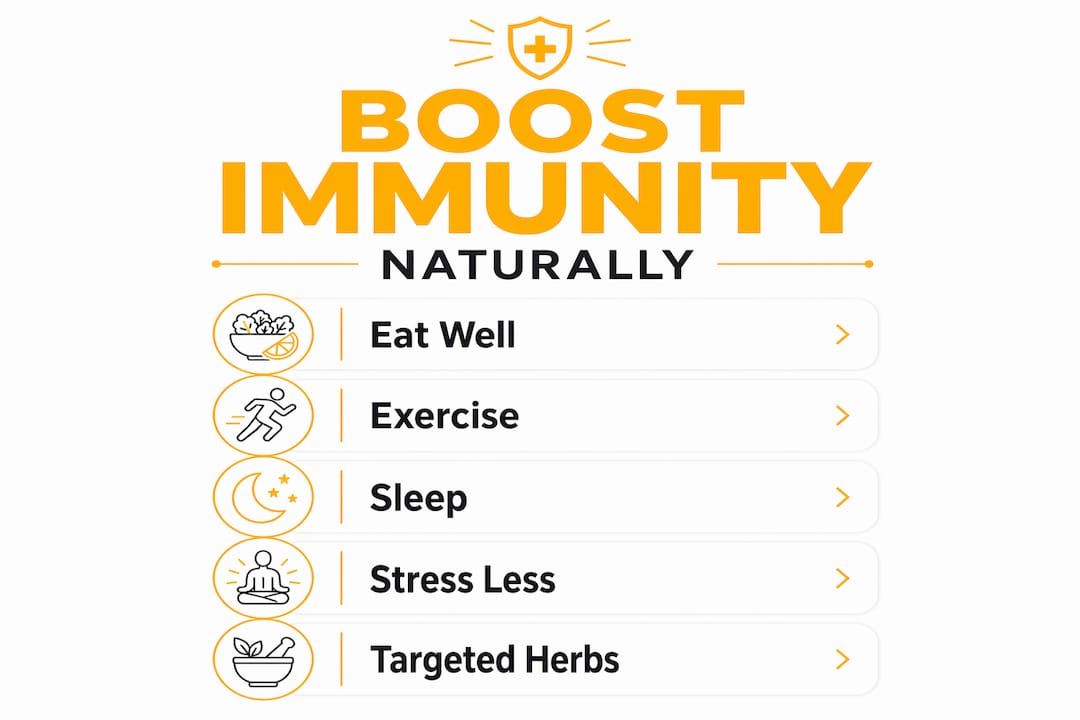
Supporting your immune system naturally means optimizing the conditions your body already uses to defend itself, not supercharging it beyond biological limits. The science-backed term for this is immunomodulation, and it works through four core pillars: nutrition, physical activity, sleep quality, and stress control. Research from UT MD Anderson and published in Frontiers in Immunology confirms that consistent, balanced inputs outperform any single supplement or quick fix. If you’ve been searching for ways to strengthen your immune system without gimmicks, this guide covers what actually works.
How to boost your immune system naturally through food
The most direct way to support natural immune function is through what you eat every day. Nutrients like vitamin C, vitamin D, vitamin E, zinc, and selenium are not passive bystanders. They act as molecular immune modulators, triggering intracellular signaling pathways that determine how immune cells develop and respond. That means your grocery cart is doing more biological work than most people realize.
Omega-3 fatty acids, found in salmon, sardines, walnuts, and flaxseed, reduce systemic inflammation that can blunt immune response over time. Refined sugar and processed carbohydrates do the opposite. They spike blood glucose, which temporarily suppresses white blood cell activity. Cutting back on ultra-processed foods is one of the fastest dietary changes you can make for immune system boosting nutrients.
Key immune-supporting foods and nutrients to prioritize:
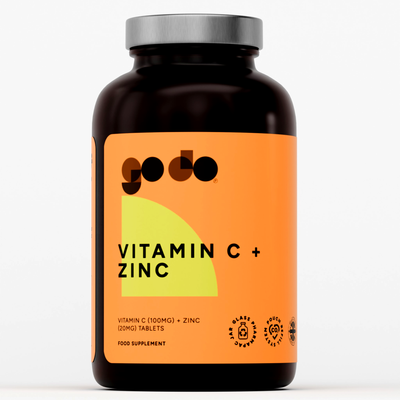
- Vitamin C: Bell peppers, citrus fruits, kiwi, and broccoli support white blood cell production
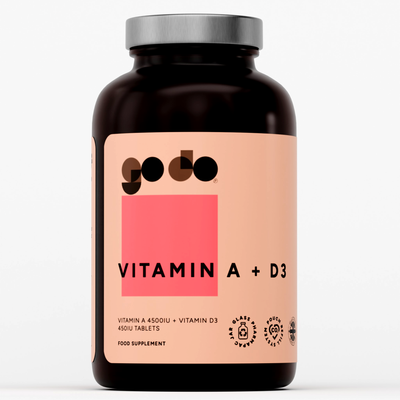
- Vitamin D: Fatty fish, egg yolks, and fortified dairy regulate T cell activation
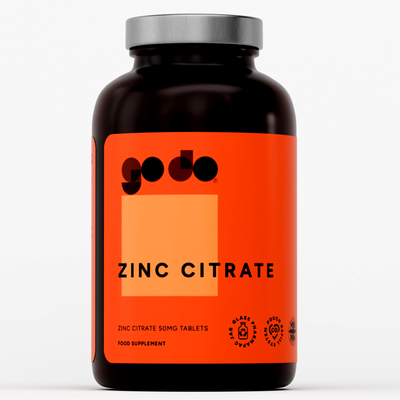
- Zinc: Pumpkin seeds, legumes, and red meat support rapid immune cell replication
- Selenium: Brazil nuts (just two per day meet your daily requirement) protect immune cells from oxidative damage
- Antioxidants: Blueberries, dark chocolate, and green tea neutralize free radicals that degrade immune tissue
- Fiber: Oats, lentils, and vegetables feed beneficial gut bacteria that regulate immune signaling
Micronutrient supplementation significantly improves immune function in older adults by reducing inflammation and increasing immune cell activity. This finding matters because it confirms that deficiency, not just suboptimal intake, is a real driver of weakened immunity.
Pro Tip: Add a handful of pumpkin seeds and a kiwi to your lunch three times a week. You’ll cover zinc and vitamin C without any planning or supplements.
How does exercise support immune function?
Regular physical activity increases the circulation of immune cells, including natural killer cells and T lymphocytes, throughout your bloodstream. This process, called immune surveillance, means your body detects and responds to threats faster. Exercise also reduces chronic low-grade inflammation, which is one of the most underappreciated threats to long-term immune health.

MD Anderson recommends 150 minutes of moderate or 75 minutes of vigorous exercise weekly to maintain optimal immune function. That translates to 30 minutes of brisk walking five days a week, which is a realistic target for most people. The key word is moderate. Excessive high-intensity training without adequate sleep and recovery actually suppresses immune function temporarily by elevating cortisol and inflammatory markers.
| Exercise type | Immune effect | Recommended frequency |
|---|---|---|
| Brisk walking | Increases immune cell circulation | 5 days per week, 30 minutes |
| Resistance training | Reduces inflammation, supports antibody production | 2 to 3 days per week |
| High-intensity intervals | Short-term immune boost, risk of suppression if overdone | 1 to 2 days per week max |
| Yoga or tai chi | Lowers cortisol, supports immune balance | Daily or as needed |
Pro Tip: A 20-minute walk after dinner counts toward your weekly target and also blunts post-meal blood sugar spikes, which independently supports immune health.
What lifestyle habits strengthen immunity beyond diet and exercise?
Sleep is the most underused immune tool available to you. During deep sleep, your body produces proteins called cytokines that are critical for fighting infection and controlling inflammation. Adults who consistently sleep fewer than six hours per night show measurably lower antibody responses to vaccines, which is a concrete indicator of compromised immune function.
Chronic stress is equally damaging. Elevated cortisol suppresses immune activity and drives systemic inflammation, creating a double hit on your defenses. Meditation, breathwork, and even regular social connection have documented effects on cortisol reduction. These are not soft wellness suggestions. They are physiological interventions.
Your gut is the third pillar most people overlook. Gut microbiome diversity directly supports immune regulation, and fermented foods like kimchi, kefir, and sauerkraut increase beneficial microbial populations. Research from New Scientist also found that gardening, through exposure to beneficial soil microbes, correlates with stronger immune regulation. That’s a genuinely surprising finding with real practical value.
Lifestyle habits that support immune resilience:
- Sleep 7 to 9 hours nightly: Prioritize consistent sleep and wake times to regulate circadian immune rhythms
- Manage stress actively: Use mindfulness apps like Headspace or Calm, or practice 10 minutes of breathwork daily
- Eat fermented foods: Add one serving of kefir, kimchi, or plain yogurt daily to support gut-immune health
- Stay vaccinated: Vaccines train immune memory cells and remain the most evidence-based immune intervention available
- Practice basic hygiene: Handwashing for 20 seconds removes pathogens before they trigger an immune response
Which herbs have real evidence for natural immune support?
Herbal medicine for immunity has moved well beyond folklore. A 2026 review published in the IJSRT Journal found that balanced polyherbal formulations increase phagocytic activity by 65%, enhancing the innate immune response more than isolated herbs. Phagocytic activity is the process by which immune cells engulf and destroy pathogens. A 65% increase is a clinically meaningful number.
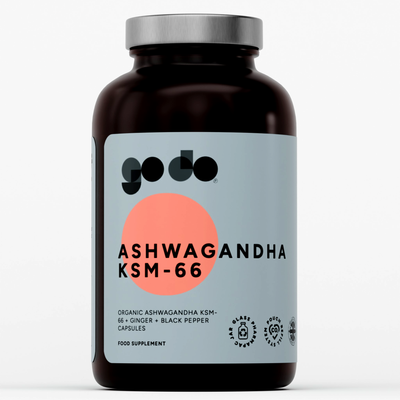
The concept driving this is called Anupana, a traditional Ayurvedic principle describing how carrier compounds improve herb bioavailability. Piperine, found in black pepper, enhances absorption of curcumin from turmeric and withanolides from Ashwagandha. This is why polyherbal combinations consistently outperform single-herb supplements in clinical settings.
| Herb | Primary immune action | Evidence strength |
|---|---|---|
| Ashwagandha | Adaptogenic, reduces cortisol, supports NK cell activity | Strong |
| Tulsi (Holy Basil) | Antimicrobial, antioxidant, supports respiratory immunity | Moderate |
| Amalaki (Indian Gooseberry) | Highest natural vitamin C source, antioxidant | Strong |
| Guduchi (Tinospora) | Enhances macrophage and T cell activity | Moderate to strong |
| Turmeric (Curcumin) | Anti-inflammatory, modulates cytokine production | Strong |
| Ginger | Antiviral, reduces inflammatory markers | Moderate |
One important caution: herbs support immune balance, not indiscriminate stimulation. Overactivating the immune system carries its own risks, including autoimmune flares. Always consult a healthcare provider before starting any herbal protocol, particularly if you take medications or have an existing condition.
Pro Tip: Look for standardized extracts with listed percentages of active compounds, such as 5% withanolides for Ashwagandha. Unstandardized powders vary wildly in potency.
Key takeaways
Natural immune support works best when nutrition, exercise, sleep, stress management, and targeted herbs are practiced consistently rather than applied as isolated interventions.
| Point | Details |
|---|---|
| Food is your foundation | Prioritize vitamin C, D, zinc, selenium, and fiber from whole foods before reaching for supplements. |
| Exercise at the right intensity | Aim for 150 minutes of moderate activity weekly. Excessive training suppresses immunity. |
| Sleep and stress are non-negotiable | Quality sleep produces cytokines; chronic stress elevates cortisol and degrades immune response. |
| Gut health drives immune regulation | Fermented foods and microbiome diversity directly influence how your immune system responds. |
| Polyherbal formulations outperform single herbs | Combinations like Ashwagandha, Tulsi, and Turmeric show 65% greater phagocytic activity than isolated extracts. |
Why I think most people are approaching immune health backwards
Most people treat immunity like a fire extinguisher: they ignore it until something goes wrong, then reach for a megadose of vitamin C or an echinacea capsule. I’ve seen this pattern repeatedly, and the research confirms it doesn’t work that way. The immune system’s power lies in balanced response, not overactivation. Flooding your system with high-dose supplements during an active infection can actually be counterproductive because the body uses a process called nutritional immunity to sequester minerals from the blood and starve pathogens. Extra zinc at the wrong moment may interfere with that defense.
What I advocate for is boring by wellness industry standards: consistent sleep, daily movement, whole foods, and a well-formulated polyherbal supplement if your diet has gaps. No dramatic protocols. No 30-day cleanses. The people I’ve seen maintain genuinely strong immune resilience year after year are the ones who treat these habits as permanent infrastructure, not seasonal projects. Start with one change this week. Add another next week. That compounding effect is where real immune resilience lives.
— Rene
Support your immunity with Fitnesshealth
Fitnesshealth offers a curated range of supplements and wellness programs designed for people who take their health seriously. Whether you’re looking for standardized herbal extracts like Ashwagandha and Turmeric, targeted vitamin D and zinc formulas, or a structured wellness program that integrates nutrition and recovery, the platform brings science-backed options together in one place.

The Fitnesshealth catalog is built around the same principles covered in this article: quality ingredients, evidence-based formulations, and educational content to help you make informed decisions. Explore natural immune support supplements and find the right combination for your lifestyle and goals.
FAQ
Can you really boost your immune system naturally?
You can support and optimize immune function naturally through nutrition, exercise, sleep, and stress management. The immune system cannot be “supercharged” beyond its biological design, but consistent healthy inputs restore and maintain its peak performance.
What are the best vitamins for immunity?
Vitamin C, vitamin D, vitamin E, zinc, and selenium are the most evidence-supported nutrients for immune function. Zinc and vitamin D act as intracellular signaling agents that directly regulate T cell activity and immune cell development.
How quickly do lifestyle changes improve immune function?
Improvements in immune markers can appear within two to four weeks of consistent dietary and sleep changes. Herbal interventions like Ashwagandha typically show measurable effects on cortisol and immune cell activity within six to eight weeks of daily use.
Are herbal supplements safe for immune support?
Most traditional herbs like Tulsi, Ginger, and Turmeric are safe for healthy adults at standard doses. Consult a healthcare provider before starting any herbal protocol if you take prescription medications or have an autoimmune condition.
Does gut health really affect immunity?
Gut microbiome diversity directly supports immune regulation. Fermented foods like kefir and kimchi increase beneficial bacteria populations, and research links higher microbiome diversity with stronger, more balanced immune responses.