Most people assume the goal is to “boost” their immune system, but that framing is wrong and potentially dangerous. Understanding how immune system works nutrition is the real starting point. Your immune system is not a single dial you turn up for better protection. It is a layered, finely balanced network where the right nutrients either keep things running well or leave critical gaps. This guide breaks down the science clearly, explains which nutrients actually matter, and shows you how to eat in a way that supports genuine immune function rather than chasing a marketing myth.
Table of Contents
- Understanding your immune system: innate and adaptive roles
- How nutrition shapes immune cell function and metabolism
- Key nutrients for immune support: balancing benefits and risks
- Nutrition, obesity, and lifestyle: managing factors that impair immunity
- The gut microbiome’s role in immune health and nutrition synergy
- Rethinking immune support: consistent nutrient supply over ‘boosting’
- Support your immune health with Fitness Health® programs and supplements
- Frequently asked questions
Key Takeaways
| Point | Details |
|---|---|
| Balanced diet supports immunity | Eating a variety of nutrient-rich foods consistently provides essential support to both innate and adaptive immune functions. |
| Key nutrients matter | Zinc, vitamin D, protein, and antioxidants play vital but carefully balanced roles in maintaining immune health. |
| Lifestyle influences immunity | Maintaining a healthy weight, regular exercise, adequate sleep, and stress reduction collectively enhance immune resilience. |
| Avoid immune boosting hype | Steady support through nutrition and lifestyle is safer and more effective than attempting to ‘boost’ immunity abruptly. |
| Meal timing impacts immune cells | Eating fat-rich meals strategically can enhance T cell metabolic activity and improve immune responses after feeding. |
Understanding your immune system: innate and adaptive roles
Your immune system operates through two distinct but connected layers, and knowing the difference changes how you think about nutrition entirely.
Innate immunity is your first responder. It activates within minutes of a threat: physical barriers like skin and mucus, plus immune cells like neutrophils and natural killer cells that attack anything foreign immediately, without needing to identify it. Adaptive immunity is slower but far more precise. T cells and B cells learn to recognize specific pathogens, build a response tailored to them, and remember the threat for next time. This is the system your vaccines train.
Here is where the “boost your immunity” idea breaks down. Overstimulating innate immunity does not make you healthier. It can trigger autoimmune responses where your own tissues become targets. What you actually want is a well-supplied system that responds appropriately, not one running at maximum intensity 24/7.
Key nutrients your immune system basics require to function at all:
- Protein: Raw material for antibodies, cytokines, and immune cells
- Vitamin C: Supports neutrophil function and acts as an antioxidant in inflamed tissue
- Vitamin D: Regulates both innate and adaptive responses; deficiency is widespread
- Zinc: Critical for T cell development and the activity of over 300 enzyme processes
Think of these nutrients not as performance enhancers but as operating requirements. Without them, the system underperforms. With the right amounts, it does exactly what it is designed to do.
How nutrition shapes immune cell function and metabolism
With the immune system’s parts defined, we now see how nutrition directly modulates immune cell metabolism and function.

This is where the science gets genuinely surprising. A 2026 study in Nature found that fat-rich meals enhance CD8+ T cell immunity several hours after eating, far outperforming carbohydrate or protein meals for this specific effect. The mechanism involves dietary lipids carried by chylomicrons (fat transport particles in your lymph) that activate the mTOR signaling pathway in T cells, ramping up protein translation and promoting memory cell development. In plain terms: eating healthy fats before a physical stressor or vaccination may produce a stronger, longer-lasting immune response.
Diet also shapes immune cell surface proteins, and it does so primarily through metabolome changes rather than direct genetic effects. A research review published on PMC found that sleep and diet each affect immunity through different biological routes. Sleep acts through the transcriptome (gene expression), while diet acts through the metabolome (the collection of metabolites circulating in your system). This distinction matters because it means diet changes can show up in your immune responsiveness relatively quickly.
| Dietary pattern | Immune effect | Mechanism |
|---|---|---|
| High healthy fat meal | Enhanced CD8+ T cell activity | Lipid-driven mTOR activation |
| High refined carb diet | Increased inflammatory markers | Elevated glucose, insulin signaling |
| Adequate protein intake | Strong antibody production | Amino acid availability |
| Diverse plant foods | Balanced microbiome, lower inflammation | Short-chain fatty acid production |
Pro Tip: If you are getting a vaccine or about to enter a heavy training block, consider including a meal with quality fats (avocado, salmon, olive oil) a few hours beforehand. The nutritional impact on immunity research supports this as a practical way to prime T cell responses.
Key takeaways from this section:
- Dietary fat post-meal boosts T cell mitochondrial function and memory cell formation
- Carbohydrate-heavy diets show weaker immune cell stimulation in comparison
- Diet affects immune cell surface markers, changing how responsive those cells are
- Meal timing relative to immune challenges is an underused tool
Key nutrients for immune support: balancing benefits and risks
Understanding immune metabolism helps us appreciate why certain nutrients matter and how to balance their intake safely.
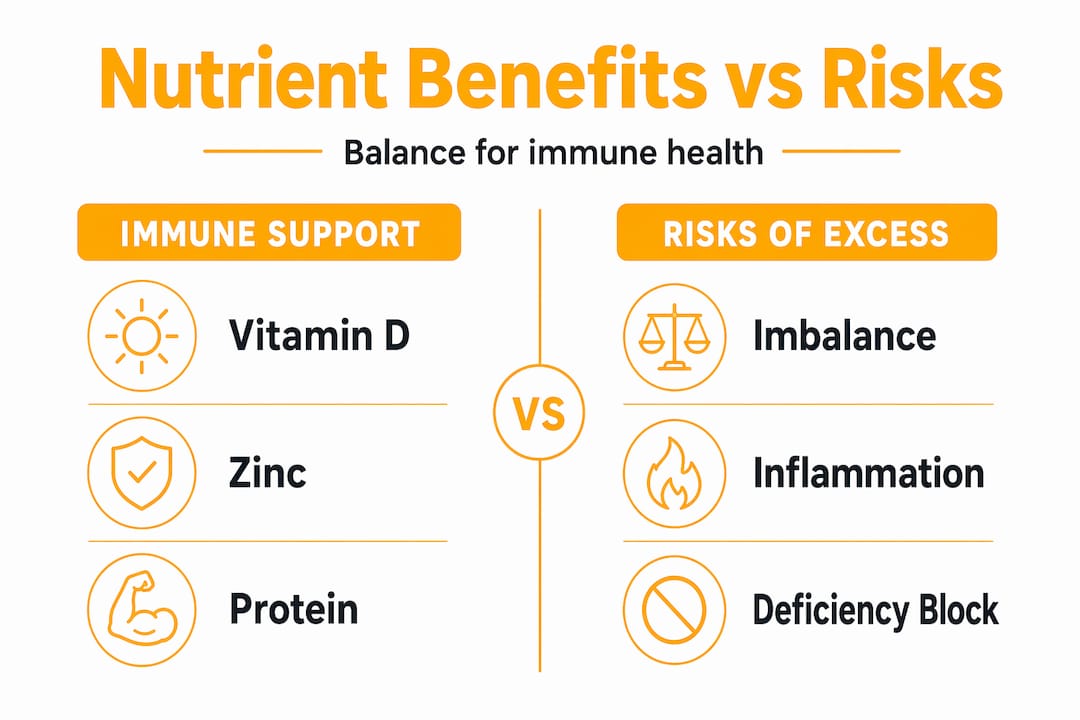
Getting specific nutrients right is not about taking the highest dose possible. In many cases, excess supplementation risks are as real as deficiency risks. Zinc is a perfect example. It is essential for T cell maturation and neutrophil killing activity, but taking too much zinc blocks copper absorption and can actually impair the immune function it is supposed to support. The benefit zone is narrow.
Vitamin D sits in the same category. Low levels increase infection susceptibility, and vitamin D deficiency is extremely common, particularly in populations with limited sun exposure. But high-dose supplementation without testing first has genuine toxicity risk. Testing your 25(OH)D level before deciding on a supplement dose is not optional if you are serious about this.
| Nutrient | Best food sources | Immune benefit | Risk of excess |
|---|---|---|---|
| Zinc | Oysters, beef, pumpkin seeds | T cell development, wound healing | Blocks copper, impairs immunity |
| Vitamin D | Fatty fish, fortified dairy, sunlight | Regulates immune cell activity | Toxicity, calcium imbalance |
| Selenium | Brazil nuts, tuna, eggs | Antioxidant, cytokine regulation | Selenosis (hair loss, nerve damage) |
| Vitamin C | Bell peppers, citrus, kiwi | Neutrophil support, antioxidant | GI distress at high doses |
| Protein | Chicken, lentils, Greek yogurt | Antibody and immune cell production | Rarely toxic, but excess stresses kidneys in vulnerable individuals |
Selenium and vitamin C work as antioxidants inside immune cells, protecting them from the oxidative byproducts of their own activity. Think of it this way: immune cells release free radicals to destroy pathogens, but those same radicals damage nearby tissue unless antioxidants neutralize them. Vitamin C and selenium are part of that cleanup crew.
Key points for safe supplementation:
- Test before you supplement, especially for vitamin D and zinc
- Prefer food sources where possible; whole foods deliver cofactors that improve absorption
- During illness, protein needs increase because immune cell production accelerates
- Targeted supplementation for confirmed deficiencies outperforms blanket high-dose protocols
Pro Tip: A handful of Brazil nuts gives you a week’s worth of selenium. It is one of the few immune-boosting nutrients where a single food item covers your needs so efficiently.
Nutrition, obesity, and lifestyle: managing factors that impair immunity
Beyond nutrients alone, overall lifestyle and body composition play pivotal roles in maintaining a strong immune system.
Adipose tissue (body fat) is not passive storage. It is metabolically active and releases pro-inflammatory signaling molecules called adipokines. In individuals with obesity, defined as BMI of 30 or more, this chronic low-grade inflammation creates an environment where immune cells are perpetually overworked, less responsive to new threats, and more prone to misdirected activity. This is why individuals with obesity tend to have worse outcomes from respiratory infections and lower vaccine efficacy.
“A healthy immune system is not built in a week. It reflects months and years of nutritional consistency, movement, and sleep. No supplement shortcuts that process.” Fred Hutch researchers put it clearly: supporting immunity means feeding it steadily, not trying to spike it when you feel a cold coming on.
Steps to build an immune-supportive lifestyle:
- Eat a Mediterranean-style diet with at least five servings of fruits and vegetables daily, whole grains, olive oil, and lean proteins. This pattern consistently reduces inflammatory markers in clinical studies.
- Hit 150 minutes of moderate exercise weekly. Regular activity increases immune surveillance (the process of cells patrolling for threats) without the immunosuppressive effect of extreme endurance training.
- Prioritize 7 to 9 hours of sleep. Sleep deprivation measurably reduces natural killer cell activity within days.
- Manage chronic stress. Cortisol suppresses lymphocyte counts over time. Even brief mindfulness practices lower cortisol meaningfully.
- Avoid smoking and limit alcohol. Both directly impair mucosal immunity and gut barrier integrity.
Pro Tip: Use vaccine appointments as an opportunity to evaluate your immunity and lifestyle habits. Eating well, sleeping properly, and staying active in the days before and after vaccination measurably improves the antibody response you generate.
The gut microbiome’s role in immune health and nutrition synergy
Nutrition’s influence extends to gut microbes, which are crucial partners in immune regulation and protection.
Roughly 70 percent of your immune tissue sits along your gut lining. The bacteria, fungi, and other microorganisms living there are not bystanders. They actively train your immune cells, signal through the gut wall, and produce compounds that regulate inflammation throughout your entire body.
When you eat dietary fiber, gut bacteria ferment it into short-chain fatty acids like butyrate, propionate, and acetate. Butyrate fuels the cells lining your colon and directly promotes the growth of regulatory T cells, the immune cells responsible for preventing autoimmune overreactions. Less fiber in your diet means less of these compounds and a weaker gut-immune barrier.
Habits and foods that support a healthy gut-immune axis:
- Eat 30 different plant foods per week. Diversity in plant intake is the strongest single predictor of microbiome diversity in population studies.
- Include fermented foods daily: yogurt, kefir, kimchi, sauerkraut, or miso all introduce live beneficial bacteria.
- Prioritize prebiotic foods: garlic, onions, leeks, asparagus, and green bananas feed your existing beneficial bacteria.
- Limit ultra-processed food. Emulsifiers in processed foods have been shown to thin the mucus layer protecting gut wall integrity.
- Stay hydrated. Water is required for mucus production and proper transit, both of which protect the gut barrier.
A disrupted microbiome does not just affect digestion. It raises systemic inflammatory markers and weakens the coordination between innate and adaptive immunity in ways that no single supplement can fully correct. The gut microbiome and immunity connection is one of the most important reasons why food diversity matters far more than any individual nutrient.
Rethinking immune support: consistent nutrient supply over ‘boosting’
Here is the honest take after years of watching the supplement industry sell the idea of immune “boosting”: the concept is designed to make you spend money during cold and flu season rather than build something durable.
Your immune system is genuinely sophisticated. Boosting innate immunity without restraint is not a benefit. Rheumatoid arthritis, lupus, and inflammatory bowel disease are all conditions where an overactive immune system attacks the body itself. The goal has never been “more immunity.” It has always been appropriate immunity, calibrated to actual threats.
What actually works is less exciting to market but far more effective to live: consistent micronutrient adequacy from food, maintained over months and years; a diverse gut microbiome fed by plant variety; and a lifestyle that does not chronically suppress immune function through sleep deprivation, excess stress, or obesity.
The people who stay healthiest long-term are not the ones taking 12 supplements. They are the ones whose diet, sleep, and movement give their immune system everything it needs to do its job without interference.
If you want to supplement, be strategic. Get tested. Find out where your actual deficiencies are. A targeted intervention for a confirmed low vitamin D level or a known zinc insufficiency will deliver real results. A personalized immune health perspective based on your own biology will always outperform a generic protocol built around marketing claims.
The immune system rewards consistency, not intensity.
Support your immune health with Fitness Health® programs and supplements
To help you apply these insights, Fitness Health® offers programs and products designed to support your immune system effectively.
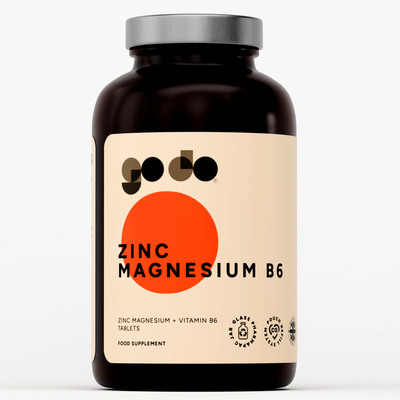
If this guide has shifted how you think about immunity, the next step is putting it into practice with the right support. Knowing that zinc deficiency impairs T cell function is useful. Having a quality zinc supplement with the right dose for your situation is actionable.

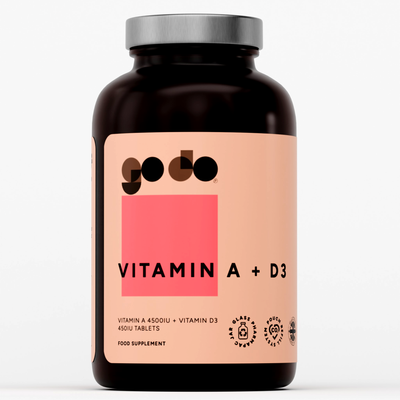
At Fitness Health®, you will find evidence-based supplements covering the key nutrients reviewed here, including vitamin D, zinc, selenium, and vitamin C, alongside gut health products designed to support microbiome diversity. Beyond individual supplements, the platform offers tailored nutrition guidance and fitness programs built to complement an immune-supportive lifestyle. Whether you are looking to correct a specific deficiency, support recovery from training, or build long-term resilience, the product range and educational resources are built around the same science this article covers.
Frequently asked questions
Can eating too many supplements harm my immune system?
Yes, excessive intake of supplements like zinc or vitamin D can disrupt nutrient balance and harm immunity. Excess zinc supplementation blocks copper absorption and paradoxically weakens the immune function it is meant to support, so testing levels before supplementing is always the smarter move.
How does obesity affect my immune response?
Obesity, defined as a BMI of 30 or more, is linked to chronic low-grade inflammation that overburdens immune cells and reduces their effectiveness against new infections. This is one of the clearest examples of how body composition directly shapes immune resilience.
Why is protein important for my immune system?
Protein supplies the amino acids your body uses to build antibodies, cytokines, and new immune cells. During illness, protein becomes the priority because immune cell production accelerates sharply and the demand for raw material rises with it.
Can meal timing influence my immune health?
Yes, particularly with fat-rich meals. Postprandial lipid metabolism has been shown to enhance CD8+ T cell immunity hours after eating, which means timing a quality fat meal before vaccination or intense exercise may meaningfully improve your immune response.
How does sleep impact my immune system compared to diet?
Sleep and diet affect immunity through different pathways. Sleep influences immunity primarily through transcriptome changes (gene expression in immune cells), while diet acts through metabolome shifts that alter immune cell surface proteins and responsiveness. Both matter and neither replaces the other.