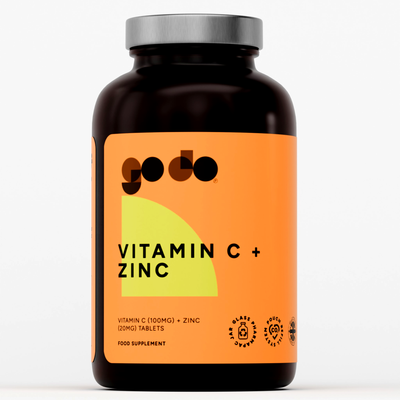
Vitamin C, known in clinical nutrition as ascorbic acid, is defined as a water-soluble micronutrient that directly supports immune function by acting as a cellular antioxidant and activating key immune cell processes. The role of vitamin C in immune function spans both your first-line physical defenses and the deeper adaptive responses your body mounts against specific pathogens. Unlike fat-soluble vitamins, your body cannot store ascorbic acid, which means daily intake from food or supplements is non-negotiable. Research confirms that vitamin C protects immune cells from reactive oxygen species while supporting neutrophil activation, T-cell differentiation, and antibody production. Understanding exactly how this works, and where the limits are, separates smart supplementation from expensive guesswork.
How vitamin C supports different components of the immune system
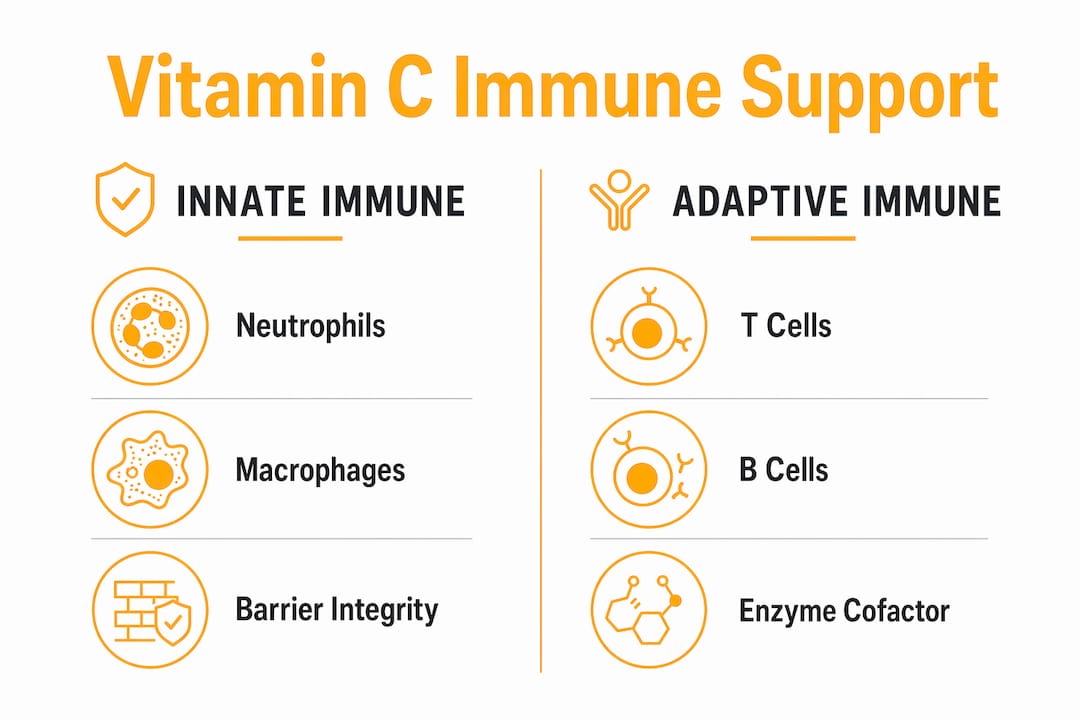
Vitamin C operates across two distinct layers of your immune system: the innate immune system, which responds immediately to threats, and the adaptive immune system, which builds targeted defenses over time. Both depend on ascorbic acid in measurable ways.
Innate immunity: your first responders
The innate immune system is your body’s rapid-reaction force. Neutrophils, macrophages, and natural killer (NK) cells are the front-line soldiers, and vitamin C directly fuels their performance. Vitamin C enhances neutrophil chemotaxis, which is the process by which neutrophils migrate toward infection sites. It also improves phagocytosis, the mechanism by which these cells engulf and destroy pathogens, and supports reactive oxygen species generation used to kill microbes.

Beyond individual cell activity, vitamin C maintains the integrity of your epithelial barriers, the skin and mucosal linings that physically block pathogens from entering the body. The EU has formally recognized epithelial barrier function as one of vitamin C’s validated immune roles. A compromised epithelial barrier is essentially an open door for infection, which is why adequate vitamin C intake matters even before you encounter a pathogen.
Adaptive immunity: building targeted defenses
The adaptive immune system takes longer to respond but delivers precision. T cells and B cells are the key players here. Vitamin C supports T-cell differentiation and proliferation, meaning it helps your body produce more specialized immune cells when needed. It also promotes B-cell activity, which drives antibody production. Without sufficient ascorbic acid, both processes slow down, leaving your adaptive response weaker and slower.
Vitamin C also acts as a cofactor for enzymes that control hypoxic response and epigenetic regulation inside immune cells. This is a less-discussed but significant function: these enzymatic roles influence how immune genes are expressed during an active infection. Think of it as vitamin C helping your immune cells read the right instructions at the right time.
Pro Tip: Pair vitamin C-rich foods with iron-rich plant foods at the same meal. Ascorbic acid significantly improves non-heme iron absorption, and iron is itself critical for immune cell production. Lentils with bell peppers or spinach with citrus dressing are practical combinations that deliver both nutrients together.
To understand how vitamin C fits within a broader nutritional strategy for immunity, the Fitnesshealth guide on nutrition and immune support covers how it works alongside minerals, proteins, and healthy fats.
Does vitamin C actually prevent colds?
This is the question most people actually want answered, and the evidence is more nuanced than supplement marketing suggests.
Routine vitamin C supplementation of 200 mg or more does not reduce the incidence of the common cold in the general population. That means taking vitamin C daily will not make you statistically less likely to catch a cold if you are a healthy adult with no unusual physical demands. This finding comes from large-scale meta-analyses and is one of the most replicated results in nutritional immunology.
However, the picture changes when you look at duration and severity. Regular supplementation can shorten cold duration by approximately 8%. For a typical seven-day cold, that translates to roughly half a day less illness. That is a modest but real benefit, particularly for people who cannot afford sick days or whose training schedules depend on consistent health.
When supplementation delivers stronger results
The exception to the general-population finding is significant. Marathon runners and soldiers in cold climates who took vitamin C supplements two to three weeks before intense physical stress showed up to a 50% reduction in cold incidence. This is not a small effect. It suggests that vitamin C’s immune benefits are most pronounced when the immune system is under genuine physiological pressure, not when it is already functioning normally.
For athletes and fitness enthusiasts, this finding has direct practical implications. If you are preparing for a race, a high-volume training block, or any period of sustained physical stress, pre-loading with vitamin C is supported by evidence. The Fitnesshealth article on antioxidants in athletic recovery explores this connection in detail.
| Scenario | Evidence for vitamin C benefit |
|---|---|
| General population, cold prevention | No significant reduction in cold incidence |
| General population, cold duration | Approximately 8% shorter illness duration |
| Athletes under extreme physical stress | Up to 50% reduction in cold incidence |
| Doses above 1,000 mg daily | Possible severity reduction; absorption drops below 50% |
Pro Tip: If you are a runner or endurance athlete, start supplementing with 200 to 500 mg of vitamin C daily two to three weeks before your event or peak training phase. Waiting until you feel symptoms is too late for this particular benefit.
Vitamin C myths versus what the research actually shows
The supplement industry has built a mythology around vitamin C that goes well beyond what the science supports. Separating fact from fiction protects your wallet and your health decisions.
What vitamin C does not do:
- It does not prevent chronic diseases. Extensive clinical trials find no consistent evidence that high-dose vitamin C supplements reduce the risk of heart disease or cancer.
- It does not replace a balanced diet. The Mayo Clinic is explicit that vitamin C should be part of a varied diet, not a substitute for multiple dietary components.
- Megadosing does not proportionally increase immune protection. Above 1,000 mg daily, absorption efficiency drops below 50%, and excess ascorbic acid is filtered by the kidneys and excreted in urine. This is the origin of the “expensive urine” critique, and it is biochemically accurate.
What high doses can cause:
- Gastrointestinal discomfort, including diarrhea and cramps, is the most common side effect of doses above 1,000 mg.
- Kidney stone risk increases with very high long-term doses in susceptible individuals.
- No serious toxicity at moderate supplemental doses, but the benefit-to-cost ratio declines sharply above 500 mg for most people.
The core principle here is that vitamin C works best as one component of a nutrient-rich diet, not as a standalone intervention. The role of antioxidants in immunity is broader than any single vitamin, and treating ascorbic acid as a cure-all misrepresents how immune nutrition actually works.
How to get enough vitamin C for immune health
Meeting your vitamin C needs is straightforward through diet. The recommended daily intake is 75 mg for adult women and 90 mg for adult men, with smokers needing an additional 35 mg due to increased oxidative stress. Daily intake of 100 to 200 mg is adequate to maintain the plasma concentrations required for immune protection and cellular function.
Here is a practical hierarchy for getting there:
- Prioritize whole food sources first. Bell peppers (one medium red pepper delivers around 150 mg), citrus fruits, kiwi, strawberries, and broccoli are all dense sources. A single serving of any of these meets or exceeds the daily requirement without supplementation.
- Add a moderate supplement if your diet is restricted. If you follow a low-produce diet, travel frequently, or have increased needs due to illness or stress, a 200 to 500 mg supplement covers the gap without pushing into the diminishing-returns zone.
- Use higher doses strategically, not chronically. If you are entering a period of intense training or illness exposure, a short-term increase to 500 to 1,000 mg is defensible. Staying at megadose levels long-term adds cost and gastrointestinal risk without proportional immune benefit.
- Time your intake across the day. Because vitamin C is water-soluble and not stored, splitting intake into two doses (morning and evening) maintains steadier plasma levels than a single large dose.
- Account for cooking losses. Vitamin C degrades with heat and prolonged storage. Raw or lightly steamed vegetables retain significantly more ascorbic acid than boiled or reheated foods.
Pro Tip: A single medium red bell pepper contains more vitamin C than an orange and costs less per serving. If you are optimizing for immune support through diet, peppers are the most cost-effective whole-food source available.
Vitamin C also enables collagen synthesis essential for wound healing, which matters for active individuals recovering from training stress or minor injuries. This is a direct benefit beyond immunity that makes adequate intake relevant for anyone with a fitness-focused lifestyle.
Key takeaways
Vitamin C supports immune function through antioxidant protection, immune cell activation, and epithelial barrier maintenance, with the strongest supplementation benefits appearing in people under physical stress or dietary deficiency.
| Point | Details |
|---|---|
| Dual immune system support | Vitamin C activates neutrophils and NK cells in innate immunity and T cells and B cells in adaptive immunity. |
| Cold duration, not prevention | Regular supplementation shortens cold duration by roughly 8% but does not reduce cold incidence in healthy adults. |
| Athletes benefit most | Endurance athletes supplementing before peak stress may see up to 50% fewer colds in that period. |
| Megadosing has limits | Above 1,000 mg daily, absorption drops below 50% and excess is excreted, with gastrointestinal side effects likely. |
| Diet first, supplement second | 100 to 200 mg daily from whole foods like bell peppers, citrus, and broccoli meets immune health needs for most adults. |
Vitamin C is a tool, not a treatment
I have spent years reviewing supplement research, and vitamin C is the nutrient that generates the most misplaced confidence. People take 2,000 mg at the first sign of a sniffle and feel like they are doing something meaningful. Sometimes they are. More often, they are just producing expensive urine and ignoring the dietary patterns that actually matter.
What the research tells me is that vitamin C’s immune benefits are real but context-dependent. If you eat a varied diet with regular produce, your plasma levels are probably fine and supplementation adds little. If you train hard, restrict calories, or eat a low-produce diet, supplementation is genuinely useful and the evidence supports it.
The more interesting finding, in my view, is the enzymatic role vitamin C plays in immune gene expression. This is not the antioxidant story most people know. It suggests that vitamin C’s value is less about flooding your system with antioxidants and more about maintaining the precise cellular machinery your immune cells need to function correctly. That reframes the whole conversation from “how much should I take” to “am I consistently meeting baseline needs.”
My practical recommendation: build your vitamin C intake around whole foods, treat supplements as a targeted tool for specific circumstances like heavy training blocks or illness recovery, and stop expecting a single nutrient to carry the weight of an entire immune strategy. The Long COVID research in athletes reinforces this point, showing that immune resilience in active individuals depends on a constellation of factors, not any single supplement.
— Rene
Support your immune health with Fitnesshealth

Fitnesshealth offers a curated range of supplements and wellness programs designed for health-conscious individuals who want evidence-based support, not marketing hype. Whether you are looking to maintain consistent vitamin C intake through a reliable supplement, or you want to explore a broader immune support stack built around your fitness goals, the platform gives you the tools and the education to make informed choices. Explore the full range of Fitnesshealth programs and supplements to find options that fit your training demands, dietary needs, and immune health priorities.
FAQ
What is the role of vitamin C in immune function?
Vitamin C acts as a cellular antioxidant that protects immune cells from oxidative damage and directly activates neutrophils, macrophages, T cells, and B cells. It also maintains epithelial barrier integrity, which is the physical first line of defense against pathogens.
Does vitamin C prevent colds?
Vitamin C does not reduce cold incidence in the general population, but regular supplementation can shorten cold duration by approximately 8%. Athletes under extreme physical stress may see up to a 50% reduction in cold frequency when supplementing before high-stress periods.
How much vitamin C do adults need for immune support?
The recommended daily intake is 75 to 90 mg for most adults, and 100 to 200 mg daily is sufficient to maintain plasma levels needed for immune protection. Doses above 1,000 mg offer diminishing returns and increase the risk of gastrointestinal side effects.
What are the best food sources of vitamin C?
Red bell peppers, kiwi, citrus fruits, strawberries, and broccoli are among the richest dietary sources. A single medium red bell pepper delivers approximately 150 mg of vitamin C, exceeding the daily requirement in one serving.
Can vitamin C deficiency affect immunity?
Vitamin C deficiency directly impairs neutrophil function, slows T-cell and B-cell activity, and weakens epithelial barriers, leaving the body more vulnerable to infection. Prolonged deficiency leads to scurvy, but even subclinical low levels measurably reduce immune cell performance.