Green tea is defined as one of the most studied natural compounds for weight management, with its effects traced to two key bioactive agents: catechins, particularly epigallocatechin gallate (EGCG), and caffeine. The role of green tea in weight management works through a dual mechanism. EGCG increases fat oxidation, while caffeine raises energy expenditure. Together, they create a synergistic fat-burning effect that no single compound achieves alone. Clinical evidence shows people consuming EGCG-rich green tea lost about 3 pounds over 3 months. That result is modest but meaningful when paired with consistent lifestyle habits.
What are the key bioactive compounds in green tea for weight management?
Green tea’s weight-related effects come from two compounds working together: EGCG and caffeine. EGCG is a polyphenol catechin that directly increases the rate at which your body burns stored fat. Caffeine amplifies this by raising your resting energy expenditure, meaning you burn more calories even at rest.

The combination matters more than either compound alone. Research confirms that caffeine and catechins synergistically increase energy expenditure and fat oxidation. That synergy explains why isolated caffeine supplements or low-catechin teas produce weaker results than whole green tea.
Green tea also affects digestion at the enzyme level. It inhibits lipase, amylase, and glucosidase, which are enzymes responsible for breaking down fats and carbohydrates. When these enzymes are partially blocked, your body absorbs fewer calories from each meal. This effect varies by individual metabolism and the form of green tea consumed.
- EGCG increases fat oxidation, especially during moderate exercise
- Caffeine raises energy expenditure and enhances the effect of EGCG
- Enzyme inhibition reduces fat and carbohydrate absorption from food
- Synergistic action means the two compounds together outperform either alone
Pro Tip: Pair green tea with a workout session. The caffeine and EGCG combination produces stronger fat oxidation during physical activity than at rest, making pre-workout timing one of the most effective strategies. Learn more about caffeine and exercise performance at Fitnesshealth.
How much green tea do you need daily for weight loss benefits?
Dosage is where most people get green tea wrong. To match the EGCG levels used in clinical weight loss studies, you need 6 to 7 cups of brewed green tea per day. That is a significant daily commitment, and it explains why many people turn to supplements instead.
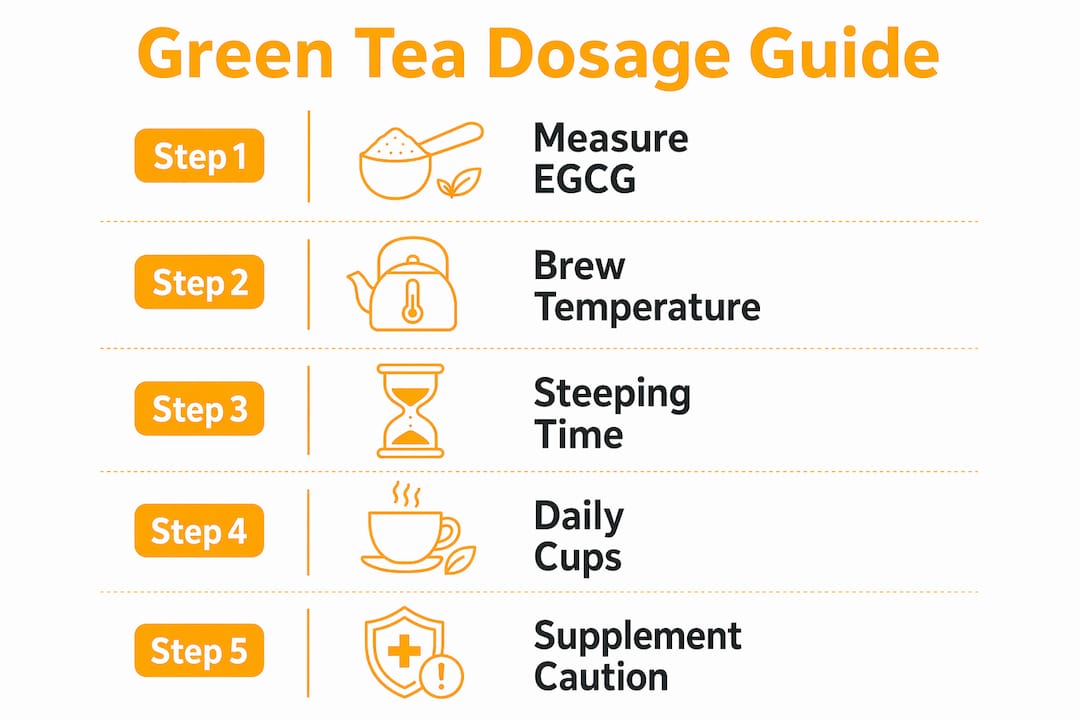
Supplements carry real risks. High-dose green tea extracts have been linked, though rarely, to liver damage. The concentrated EGCG in capsule form bypasses the natural dilution that occurs in brewed tea, making overdose far easier. Brewed tea remains the safer and more consistent delivery method.
Not all green tea products qualify as healthy weight loss drinks. Commercial bottled teas and bubble tea often contain added sugars and preservatives that cancel out the metabolic benefits entirely. A bottle labeled “green tea” at a convenience store may contain more sugar than a soda.
Quality sourcing also matters. Low-quality teas can carry pesticide residues and microplastics, which undermine the health benefits you are trying to gain. Choosing certified organic, loose-leaf, or reputable bagged teas reduces that risk significantly.
Choosing the right green tea form:
| Form | EGCG Level | Risk Level | Best For |
|---|---|---|---|
| Brewed loose-leaf | High | Low | Daily consumption |
| Bagged tea (quality brand) | Moderate | Low | Convenience |
| Bottled commercial tea | Low to none | Medium (added sugar) | Not recommended |
| High-dose supplements | Very high | High (liver risk) | Avoid without medical guidance |
Pro Tip: Buy certified organic loose-leaf green tea from a reputable source. Steep at 160–180°F for 2–3 minutes to preserve catechin content without releasing bitter tannins.
What does 2026 research say about green tea’s effectiveness?
The clinical picture on green tea for weight loss is encouraging but not dramatic. The most consistent finding across trials is a modest average weight loss of approximately 3 pounds over 3 months in people consuming EGCG-rich green tea. That figure holds across multiple study designs.
Metabolic benefits extend beyond the scale. A 12-week double-blind randomized controlled trial found that catechin-rich green tea combined with inulin improved insulin resistance as measured by the HOMA-IR marker. Improved insulin sensitivity matters because high insulin resistance is a core driver of fat storage, particularly around the abdomen.
“Green tea’s benefit on insulin resistance, even without significant visceral fat reduction, represents a meaningful metabolic win for people managing weight long-term.”
The evidence on visceral fat is more mixed. The same trial found no significant reduction in visceral fat. That result suggests green tea works better as a metabolic support tool than as a targeted belly fat solution. Weight maintenance is another area where green tea shows promise. Regular tea drinking counters the metabolic slowdown that typically follows weight loss, helping people keep the weight off rather than regain it.
The metabolic benefits of EGCG and caffeine depend heavily on lifestyle, especially consistent exercise and adequate protein intake. Green tea amplifies a good routine. It does not replace one.
How to incorporate green tea into your daily weight management routine
The most practical weight management tip involving green tea is also the simplest: replace higher-calorie drinks with it. Swapping a morning mocha latte for plain green tea eliminates around 300 calories daily. Over a week, that adds up to more than 2,000 calories without changing a single meal.
- Replace, do not add. Substitute green tea for sugary drinks, not add it on top of your current intake
- Time it before workouts. Drinking green tea 30–45 minutes before exercise amplifies fat oxidation during the session
- Drink it plain. Adding honey, sugar, or flavored syrups negates the caloric benefit
- Pair it with protein. A protein-rich diet combined with green tea consumption produces stronger body composition results than green tea alone
- Stay consistent. Short-term use produces minimal results. Daily consumption over weeks and months drives measurable change
Check the fat-burning ingredient checklist at Fitnesshealth to see how green tea’s active compounds compare to other natural metabolism-supporting ingredients.
Key Takeaways
Green tea supports weight management through EGCG and caffeine working together to raise fat oxidation, increase energy expenditure, and improve insulin sensitivity, but results depend on consistent daily use and an active lifestyle.
| Point | Details |
|---|---|
| Core mechanism | EGCG and caffeine together increase fat oxidation and energy expenditure more than either alone. |
| Realistic weight loss | Clinical studies show approximately 3 pounds lost over 3 months with consistent EGCG-rich intake. |
| Dosage requirement | 6–7 cups of brewed green tea daily are needed to match research-effective EGCG levels. |
| Supplement caution | High-dose green tea extracts carry a risk of liver damage; brewed tea is the safer option. |
| Lifestyle dependency | Green tea’s metabolic benefits are strongest when combined with regular exercise and a protein-rich diet. |
Green tea works best as part of a bigger picture
Here is what I have come to believe after reviewing years of green tea research: most people either overestimate or underestimate it. The overestimators buy concentrated supplements expecting dramatic fat loss. The underestimators dismiss it because 3 pounds over 3 months sounds unimpressive. Both miss the point.
Green tea’s real value is in what it does to your metabolic baseline over time. The insulin resistance improvement from consistent catechin intake is clinically significant. The calorie displacement from replacing sugary drinks is real and cumulative. The anti-metabolic-slowdown effect after weight loss is genuinely underappreciated.
Where I see people go wrong most often is with product choice. Sweetened bottled teas, low-quality bags, and mega-dose supplements all fail in different ways. Quality loose-leaf or certified organic bagged tea, consumed plain and consistently, is the version that actually delivers results.
Green tea is not a shortcut. It is a reliable, low-risk tool that makes a good routine better. If your diet is poor and you are sedentary, 7 cups a day will not save you. But if you are already exercising and eating well, green tea adds a measurable metabolic edge that compounds over months.
— Rene
Fitnesshealth programs and supplements that complement green tea
Green tea sets a strong metabolic foundation. Pairing it with the right supplements and structured programs takes results further.

Fitnesshealth offers a full range of weight management programs and supplements designed to work alongside natural metabolism-supporting compounds like EGCG and caffeine. Whether you are focused on fat loss, weight maintenance, or improving metabolic health, Fitnesshealth provides expert-designed tools backed by nutritional science. The platform also offers detailed guidance on supplement stacking, including how to combine natural ingredients for compounding effect. Explore the fat-burning supplement stacking guide to build a protocol that fits your goals and lifestyle.
FAQ
Can green tea alone cause significant weight loss?
Green tea alone produces modest results, averaging approximately 3 pounds over 3 months in clinical studies. Significant weight loss requires pairing green tea with consistent exercise and a calorie-controlled diet.
Is green tea extract safer than brewed green tea?
Brewed green tea is safer. High-dose green tea extracts have been linked to liver damage in rare cases, while brewed tea delivers EGCG at levels that carry no known toxicity risk.
How does green tea improve metabolism?
EGCG and caffeine in green tea increase fat oxidation and resting energy expenditure. They also inhibit enzymes that absorb dietary fat and carbohydrates, reducing caloric intake at the digestive level.
What is the best time to drink green tea for weight management?
Drinking green tea 30–45 minutes before exercise maximizes fat oxidation during the workout. Morning consumption also helps replace high-calorie beverages and sets a lower-calorie tone for the day.
Does bottled green tea provide the same benefits as brewed?
Commercial bottled green tea typically contains added sugars and lower catechin levels that cancel out the metabolic benefits. Plain brewed green tea from quality loose-leaf or certified organic bags is the effective choice.