Herbal immune support refers to the use of plant-based compounds to modulate, strengthen, and maintain the body’s natural defenses. The most studied herbal immune support examples include echinacea, elderberry, garlic, ginger, turmeric, and ashwagandha. Each herb contains distinct bioactive compounds that act on immune pathways differently. Understanding how these herbs work, how to dose them safely, and how to combine them gives you a real advantage over generic supplement shopping.
1. What are the most effective herbal immune support examples?
The six herbs below represent the strongest evidence base for natural immune support. Each one brings a different mechanism to the table.
-
Echinacea stimulates white blood cell activity and may reduce cold duration at doses of 300–500mg extract daily. Its active compounds, alkamides and phenolic acids, directly support antibody production.
-
Elderberry is rich in polyphenols with antioxidant and antiviral activity. Studies show elderberry extract may shorten flu duration and reduce symptom severity. Effective doses range from 150–600mg daily.
-
Garlic contains allicin, a sulfur compound with natural antimicrobial and antiviral effects. Aged garlic extract at 600–1,200mg daily also supports gut immune defenses and may lower the risk of catching colds.
-
Ginger delivers gingerol, shogaols, and paradols, bioactive compounds with antimicrobial and anti-inflammatory properties. Ginger supports respiratory health and digestive balance, both of which are directly tied to immune resilience.
-
Turmeric contains curcumin, which activates T-cells and macrophages while regulating cytokine production. Curcumin’s immune modulation is well-documented in Ayurvedic pharmacology, though its bioavailability improves significantly when paired with piperine.
-
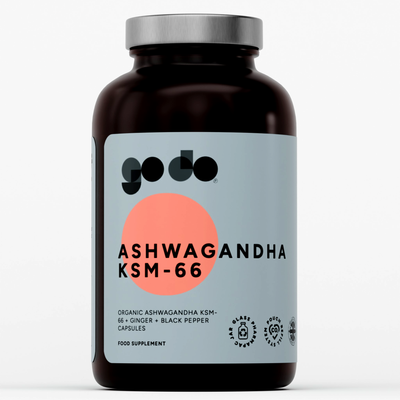
Ashwagandha is an adaptogen that reduces stress-related immune suppression. Chronic stress lowers immune function. Ashwagandha addresses that root cause rather than just stimulating surface-level defenses.
These six herbs for immune health cover antiviral, anti-inflammatory, antimicrobial, and adaptogenic mechanisms. No single herb covers all of them, which is exactly why combinations matter.
2. How do herbal combinations improve immune results?
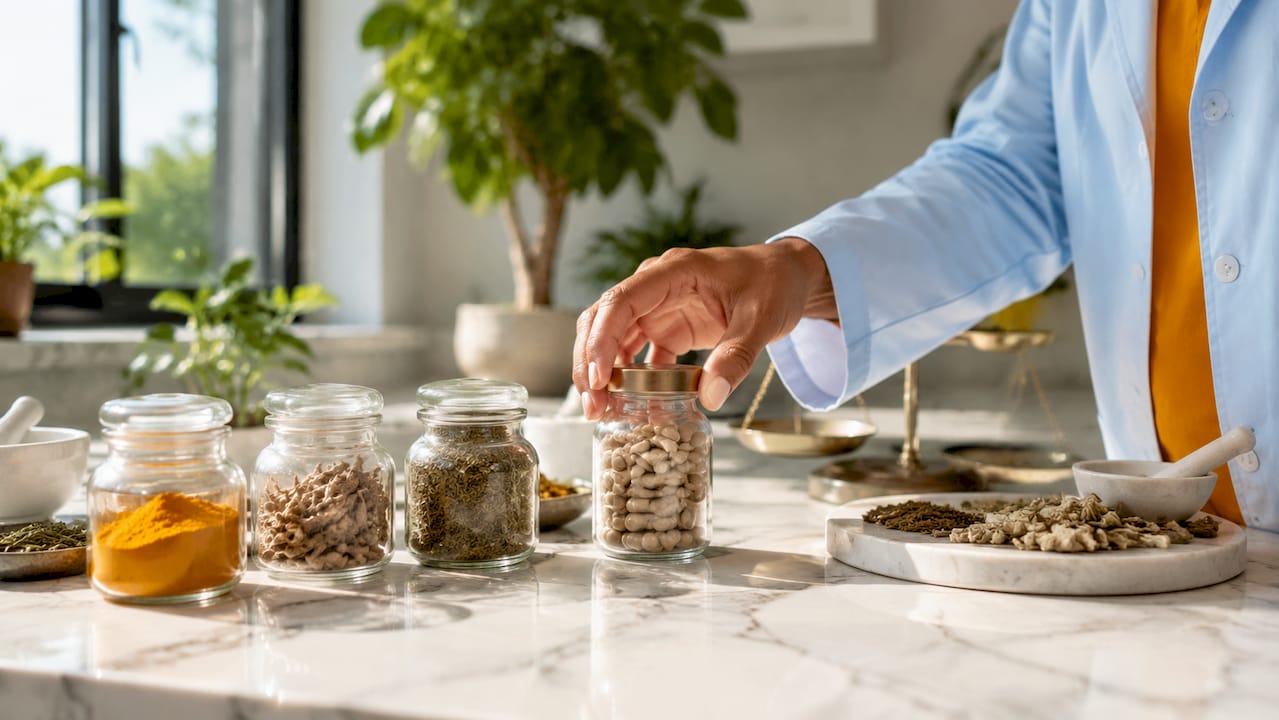
Polyherbalism is the practice of combining multiple herbs to achieve broader immune modulation than any single herb can provide. This approach is a cornerstone of Ayurvedic medicine and is now supported by modern pharmacological research.
Combining herbs like ashwagandha, tulsi, and turmeric activates macrophages, regulates inflammation, and supports antibody production simultaneously. That multi-pathway effect is difficult to replicate with a single herb at any dose. The result is broader immune coverage with lower doses of each individual herb.
The Ayurvedic concept of “Anupana” explains part of why this works. Certain herb combinations inhibit a cellular pump called p-Glycoprotein, which normally removes compounds from cells before they can act. When that pump is blocked, bioavailability of each herb increases. Turmeric, ginger, and tulsi together achieve this effect, meaning you need less of each to get the same or better result.
Pro Tip: If you want to explore polyherbal immune combinations, look for formulas that list standardized extracts and specify the ratio of each herb. Ratios matter as much as ingredient names.
3. Dosages and safety considerations for immune herbs
Standardized dosing is the single most important factor separating effective herbal supplementation from guesswork. The table below summarizes typical dosing ranges for the most common immune support herbs.
| Herb | Typical Daily Dose | Key Bioactive | Best Use Case |
|---|---|---|---|
| Echinacea | 300–500mg extract | Alkamides, phenolic acids | Short-term cold prevention |
| Elderberry | 150–600mg extract | Polyphenols, anthocyanins | Flu symptom reduction |
| Garlic | 600–1,200mg extract | Allicin | Daily antimicrobial support |
| Ginger | 250–500mg extract | Gingerol, shogaols | Respiratory and gut immunity |
| Turmeric | 400–600mg curcumin | Curcumin | Anti-inflammatory maintenance |
| Ashwagandha | 300–600mg extract | Withanolides | Stress-related immune support |
These standardized dosing ranges allow safer, more effective use, especially in polyherbal formulas where each herb is present at a lower individual dose. Echinacea is generally recommended for short-term use rather than continuous daily supplementation. Garlic and turmeric are better suited for ongoing daily maintenance.
Herb-drug interactions are real. Garlic and elderberry can interact with blood thinners. Ashwagandha may affect thyroid medications. The CDC advises consulting a healthcare provider before starting any herbal regimen, especially if you take prescription medications or manage an autoimmune condition.
Pro Tip: Start with the lowest effective dose for two weeks before increasing. This lets you spot any sensitivity early and gives your body time to respond without overloading it.
4. How to choose and use herbal immune supplements daily
Choosing the right form of an herbal supplement changes how well it works. Teas, capsules, and liquid extracts each have different absorption rates and convenience levels.
- Teas work well for ginger and tulsi. They deliver bioactives quickly and support hydration at the same time. Use them at the first sign of a cold or as a daily morning ritual.
- Capsules with standardized extracts are the most reliable form for echinacea, elderberry, and ashwagandha. Standardization means each dose contains a guaranteed amount of the active compound.
- Liquid extracts (tinctures) absorb faster than capsules and work well for elderberry and echinacea during acute illness.
- Whole food forms like raw garlic and fresh ginger are effective and budget-friendly. One raw garlic clove delivers meaningful allicin, though aged garlic extract is gentler on the stomach.
Look for supplements with third-party testing certifications from organizations like NSF International or USP. These certifications confirm that what is on the label is actually in the capsule. Avoid products that list “proprietary blends” without disclosing individual herb amounts.
Pair herbal supplements with immune-supporting nutrition for the best results. Herbs work alongside a nutrient-dense diet, not instead of one.
5. Comparison of top immune herbs: which one fits your needs?
| Herb | Primary Benefit | Best For | Budget-Friendly? |
|---|---|---|---|
| Echinacea | Stimulates white blood cells | Cold prevention, short-term use | Yes |
| Elderberry | Antiviral, antioxidant | Flu season, symptom relief | Moderate |
| Garlic | Antimicrobial, antifungal | Daily defense, gut health | Very affordable |
| Turmeric | Anti-inflammatory, immune balance | Chronic inflammation, daily use | Yes |
| Ashwagandha | Adaptogen, stress reduction | Stress-driven immune dips | Moderate |
| Ginger | Respiratory and digestive support | Cold weather, gut-immune axis | Very affordable |
Garlic and ginger are the most accessible and affordable options for daily use. Elderberry and echinacea are better reserved for acute situations like the start of a cold or flu season. Ashwagandha fits people whose immune dips are clearly tied to stress and poor sleep. Turmeric works best as a long-term daily herb, especially when combined with black pepper extract for better absorption. You can read more about elderberry’s specific role in short-term immune support if that is your primary concern.
Key takeaways
The most effective approach to herbal immune support combines well-dosed, standardized extracts of multiple herbs targeting different immune pathways rather than relying on any single plant.
| Point | Details |
|---|---|
| Top herbs for immunity | Echinacea, elderberry, garlic, ginger, turmeric, and ashwagandha each target different immune mechanisms. |
| Polyherbalism works better | Combining herbs activates macrophages, regulates inflammation, and improves bioavailability at lower individual doses. |
| Dosing must be standardized | Use verified extract doses: echinacea 300–500mg, garlic 600–1,200mg, elderberry 150–600mg daily. |
| Form affects absorption | Tinctures absorb fastest; standardized capsules offer the most consistent dosing for daily use. |
| Safety requires professional input | Consult a healthcare provider before starting herbal regimens if you take medications or have autoimmune conditions. |
Why I think most people use immune herbs wrong
Most people reach for echinacea or elderberry only when they are already sick. That reactive approach misses the bigger picture. The herbs that deliver the most consistent results, turmeric, garlic, and ashwagandha, work best when taken consistently before illness hits.
What I have found is that people also underestimate the importance of sourcing. A cheap elderberry gummy with no standardization label is not the same as a 600mg elderberry extract with verified polyphenol content. The price difference is small. The efficacy difference is not.
The polyherbalism angle is genuinely underused. Most people pick one herb and expect it to do everything. Combining ashwagandha for stress, turmeric for inflammation, and garlic for daily antimicrobial defense covers three separate immune pathways at once. That is a more intelligent approach than tripling the dose of a single herb.
One caution I always emphasize: herbal supplements are reactive supports, not replacements for sleep, exercise, and a real food diet. The herbs amplify a foundation. They cannot build one from scratch. Get the basics right first, then layer in the herbs.
— Rene
Support your immunity with Fitnesshealth
Fitnesshealth carries a curated range of herbal supplements and wellness programs designed for people who take their health seriously. Whether you are looking for standardized elderberry extract, an ashwagandha formula, or a full immune support stack, the catalog is built around quality-verified products with transparent ingredient labeling.

Fitnesshealth also publishes detailed guides on immune-boosting foods and natural defense strategies to help you make informed choices. Explore the full range of supplements and wellness programs and find the combination that fits your lifestyle and immune goals.
FAQ
What are the best herbal immune support examples for beginners?
Garlic, ginger, and elderberry are the best starting points. They are widely available, affordable, and well-studied with clear dosing guidance.
Can you take multiple immune herbs at the same time?
Yes. Polyherbal combinations like turmeric, ashwagandha, and tulsi are more effective than single-herb use because they target multiple immune pathways simultaneously.
How long does it take for immune herbs to work?
Echinacea and elderberry can show effects within a few days during acute illness. Turmeric and ashwagandha typically require four to eight weeks of consistent use for measurable immune benefits.
Are herbal immune supplements safe with prescription medications?
Not always. Garlic and elderberry can interact with blood thinners, and ashwagandha may affect thyroid medications. Always consult a healthcare provider before combining herbs with prescriptions.
What form of herbal supplement absorbs best?
Liquid extracts and tinctures absorb fastest. Standardized capsules offer the most consistent and convenient dosing for daily herbal immune support.