Detox support supplements are products designed to assist the body’s natural detoxification pathways, primarily through the liver and kidneys. The main types of detox support supplements include antioxidants like milk thistle and N-acetylcysteine (NAC), toxin binders like activated charcoal, and micronutrient cofactors like B-complex vitamins and magnesium. Each category serves a distinct biological role. Lifestyle factors such as hydration, fiber intake, exercise, and sleep remain the foundation of effective detoxification. Supplements work best when they support those habits, not replace them.
1. What are the types of detox support supplements?
Detox support supplements fall into three main categories: antioxidant and enzyme-support compounds, toxin binders, and micronutrient cofactors. Each category targets a different stage or mechanism of the body’s detox process. Antioxidants protect liver cells from oxidative damage. Binders trap toxins in the gut before they can be reabsorbed. Micronutrients fuel the enzymes that metabolize and clear waste. Knowing which category you need is the first step to choosing wisely.
2. Antioxidants that support liver health
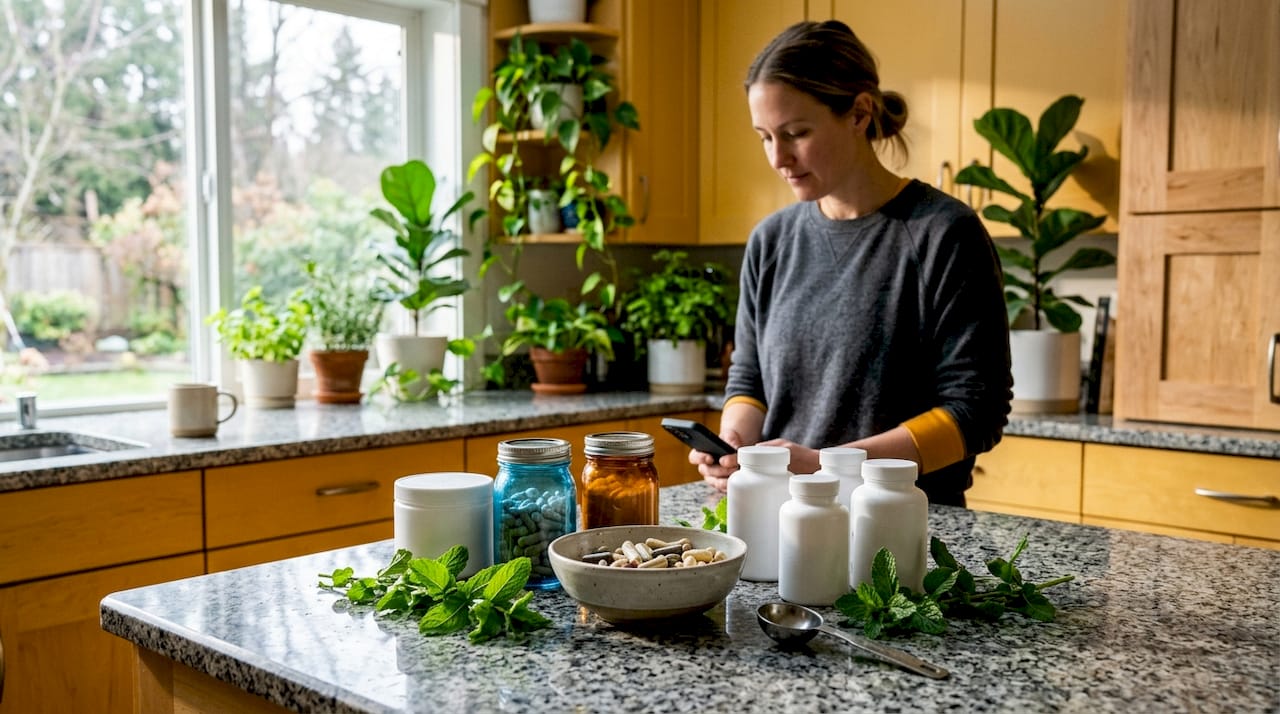
Antioxidant supplements are the most researched category of natural detox aids. Milk thistle, NAC, and curcumin each protect liver cells through different mechanisms.
- Milk thistle (silymarin): Milk thistle dosing typically runs 420–600 mg per day. Silymarin, its active compound, reduces oxidative stress and supports liver cell regeneration.
- N-acetylcysteine (NAC): NAC at 600–1,200 mg per day raises glutathione levels, the body’s primary internal antioxidant. Hospitals use NAC clinically for acetaminophen overdose, which speaks to its liver-protective credibility.
- Curcumin: The active compound in turmeric, curcumin reduces liver inflammation. Bioavailability is low in standard forms, so look for products with piperine or phospholipid complexes to improve absorption.
Milk thistle and NAC have the most credible research among liver-related supplements, though full clinical validation is still developing. That means they are useful adjuncts, not standalone treatments. Pair them with reduced alcohol intake and adequate sleep for the best results.
Pro Tip: If you take NAC, space it at least two hours away from other antioxidants. Taking multiple antioxidants simultaneously can blunt each other’s effectiveness.
For a deeper look at how antioxidants support recovery, the Fitnesshealth guide on antioxidant supplement benefits covers the evidence clearly.
3. What role do binder supplements play in detox support?
Binder supplements work differently from antioxidants. They do not support liver enzymes. Instead, they physically trap toxins inside the digestive tract and carry them out of the body before absorption occurs.
Common binders include:
- Activated charcoal: Binds to certain chemicals, drugs, and toxins in the gut. Clinically used in emergency medicine for poisoning cases. Not appropriate for daily use because it also binds medications and nutrients.
- Bentonite clay: A naturally occurring clay that traps toxins in the gut for elimination. Used in some herbal cleanse supplements and gut-reset protocols.
- Chlorella: A green algae that binds heavy metals like mercury and lead in the digestive system. Often included in detoxification products targeting environmental exposure.
Understanding the difference between binder supplements and enzymatic pathway support supplements is critical for appropriate use. Binders are context-specific tools, not daily staples. Taking activated charcoal alongside prescription medications reduces drug absorption and creates real safety risks. Always separate binders from other supplements or medications by at least two hours.
4. Which vitamins and minerals are essential for natural detox support?
Vitamins and minerals are the unsung category of detox support options. The liver’s detox enzymes cannot function without specific micronutrient cofactors. A deficiency in any of them slows the entire process.
| Nutrient | Role in detoxification |
|---|---|
| B-complex vitamins | Fuel Phase I and Phase II liver enzyme reactions |
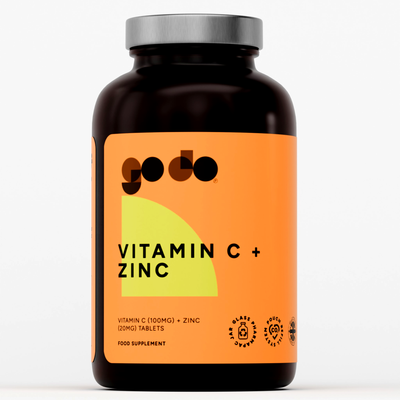
| Vitamin C | Neutralizes free radicals generated during detox metabolism |
| Magnesium | Activates over 300 enzymes, including those clearing toxins |
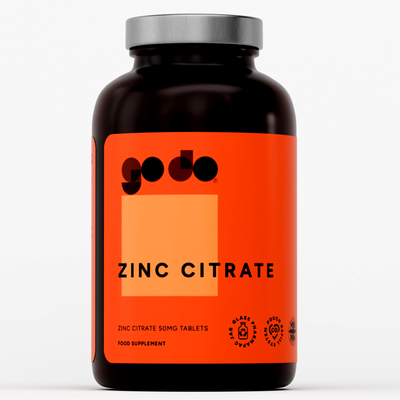
| Zinc | Supports alcohol dehydrogenase and immune-linked detox pathways |
B-complex vitamins, vitamin C, magnesium, and zinc act as cofactors necessary for liver enzyme function in metabolizing and clearing toxins. That means a standard multivitamin covering these bases may do more practical good than an expensive proprietary cleanse blend.
Dietary sources cover most needs for people eating varied, whole-food diets. Supplementation makes sense when diet quality is poor, stress is high, or alcohol intake is elevated. Those three scenarios all deplete B vitamins and magnesium faster than food alone can replenish them.
Pro Tip: Magnesium glycinate absorbs better than magnesium oxide and causes less digestive discomfort. It is the preferred form for people using magnesium to support liver and muscle recovery simultaneously.
5. How to choose detox supplements safely and effectively
Choosing detox supplements safely requires more skepticism than enthusiasm. Some herbal supplements and multi-ingredient detox products cause up to 20% of reported liver injury cases. That statistic should reframe how you evaluate any product labeled as a “cleanse.”
Key principles for safe selection:
- Check for standardized extracts. A milk thistle product standardized to 70–80% silymarin content is measurably different from one that lists only “milk thistle powder.”
- Avoid proprietary blends with undisclosed doses. Commercial cleanse blends often lack clinical evidence. If a label hides individual ingredient amounts behind a “blend” total, you cannot assess safety or efficacy.
- Confirm third-party testing. The FDA does not regulate dietary detox supplements to the same standards as medications. Third-party certifications from NSF International or USP fill that gap.
- Consult a healthcare provider first. This matters especially if you take prescription medications, have liver or kidney conditions, or are pregnant.
High-dose green tea extract is one of the most commonly flagged ingredients in liver injury reports. It appears in many weight loss and detox products without adequate warnings. Treat any product containing it with extra caution.
6. What are common misconceptions about detox supplements?
The biggest myth in the detox supplement space is that the body needs external help to cleanse itself. It does not. The liver, kidneys, lungs, and lymphatic system run continuous detoxification without any supplement.
“The liver and kidneys do not require cleanses. Sustained healthy habits are more effective than supplements marketed as quick fixes.” — PBS NewsHour health report
Guided weight loss is the most effective intervention for metabolic liver disease, not detox supplements. Supplements lack evidence for reversing liver damage. That is a meaningful distinction when people use detox products as substitutes for medical care.
The detox supplement market often prioritizes marketing over science, leading to widespread consumer misinformation. Claims like “flushes toxins in 7 days” or “resets your liver” have no clinical backing. Experts consistently confirm that improper supplement use may do more harm than good. The supplements worth taking are those that support specific, documented biological functions, not ones that promise a systemic reset.
Key takeaways
The most effective detox support supplements target specific biological pathways, including liver antioxidant defense, gut toxin binding, and micronutrient enzyme support, while lifestyle habits remain the foundation of real detoxification.
| Point | Details |
|---|---|
| Antioxidants lead the research | Milk thistle and NAC have the strongest evidence for liver-protective effects among detox supplements. |
| Binders serve a distinct role | Activated charcoal and bentonite clay trap gut toxins but must be separated from medications and nutrients. |
| Micronutrients matter most | B-complex vitamins, vitamin C, magnesium, and zinc fuel the enzymes that actually clear toxins. |
| Safety requires label scrutiny | Avoid proprietary blends with hidden doses; choose standardized extracts with third-party testing. |
| Lifestyle is non-negotiable | Hydration, fiber, exercise, and sleep drive detoxification more reliably than any supplement alone. |
Why I think most people are using detox supplements backwards
Most people reach for a detox supplement when they feel run down, bloated, or sluggish after a period of poor eating or heavy drinking. That instinct is understandable. But it is backwards. Supplements work best as ongoing support for a body already functioning well, not as a rescue tool after the fact.
What I have found is that people who get real results from detox support options are the ones who treat supplements as a layer on top of solid habits. They are already drinking enough water, eating fiber-rich foods, and sleeping seven or more hours. The supplement fills a specific gap, like low magnesium from chronic stress or reduced glutathione from intense training.
The marketing around herbal cleanse supplements makes this harder to see clearly. Dramatic language and short timelines sell products. Evidence-based supplementation is quieter and slower. My honest advice: pick one well-researched compound, use it at a clinically studied dose, and give it at least 60 days before judging results. That approach is less exciting than a 7-day cleanse kit, but it actually works.
— Rene
What Fitnesshealth offers for your wellness routine
Fitnesshealth carries a curated range of supplements built around the same evidence-based principles covered here, from liver-support antioxidants to micronutrient formulas that fuel your body’s natural processes.
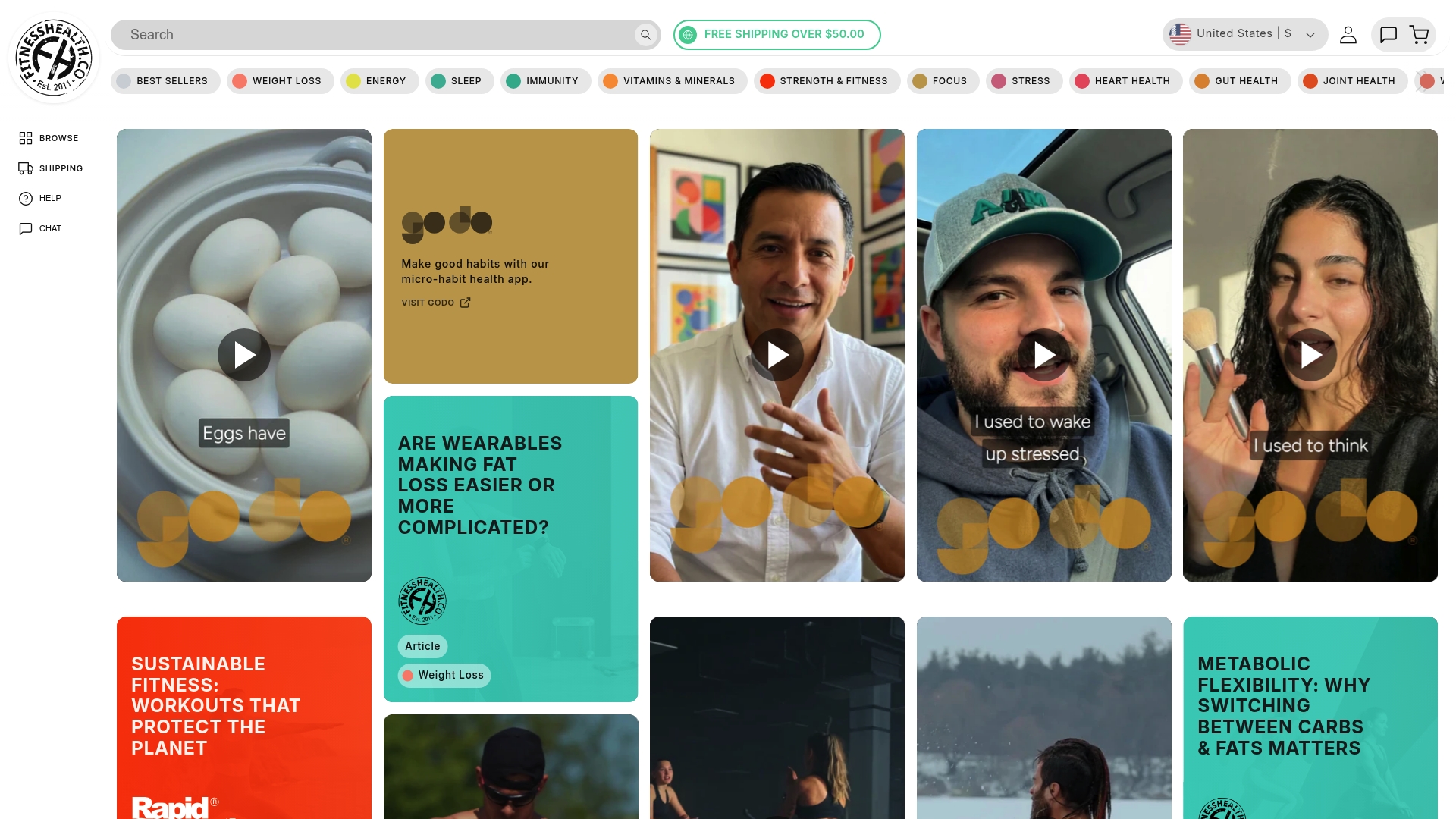
Whether you are looking for detox support products or broader wellness tools, the Fitnesshealth catalog pairs quality-tested supplements with educational content so you can make informed choices. Every product listing includes ingredient transparency and dosing details, which means no guessing about what you are actually taking. For athletes and active people, the joint and supplement guide also covers how to layer support supplements without overlap or risk.
FAQ
What are detox support supplements?
Detox support supplements are dietary products designed to assist the liver, kidneys, or gut in processing and eliminating toxins. They include antioxidants, binders, and micronutrient cofactors, each targeting a different part of the detox process.
Are detox supplements safe to take daily?
Most antioxidant-based supplements like milk thistle and NAC are considered safe at studied doses for daily use, but binders like activated charcoal are not suitable for daily consumption. Always check for third-party testing and consult a healthcare provider before starting any supplement.
Do detox supplements help with weight loss?
Detox supplements are not proven weight loss tools. Guided weight loss through diet and exercise is the most effective intervention for metabolic health, and supplements marketed as weight loss detoxes lack clinical evidence to support those claims.
What is the difference between antioxidant and binder supplements?
Antioxidant supplements like NAC support liver enzyme function and reduce oxidative stress. Binder supplements like activated charcoal physically trap toxins in the digestive tract for elimination. They work at different stages and should not be used interchangeably.
Which vitamins support the body’s detox pathways?
B-complex vitamins, vitamin C, magnesium, and zinc are the primary micronutrients that act as cofactors for liver detox enzymes. Deficiency in any of these slows the body’s ability to metabolize and clear toxins efficiently.