The CrossFit community has witnessed a significant transformation in recent years, with elite athletes and everyday fitness enthusiasts increasingly adopting bodybuilding-style training methods. This evolution, known as functional bodybuilding, represents a departure from traditional CrossFit's relentless pursuit of intensity in favour of a more balanced approach that prioritises muscle development, movement quality, and aesthetic goals alongside athletic performance.
The Origins of a Movement Revolution
Functional bodybuilding emerged from the practical needs of competitive CrossFit athletes who recognised limitations in traditional high-intensity training. Marcus Filly, a six-time CrossFit Games competitor, became the movement's most prominent advocate after experiencing firsthand how endless high-intensity workouts led to diminishing returns and increased injury risk.
The methodology was initially developed as a rehabilitative tool by Mike Lee of OPEX Fitness, specifically designed to help elite athletes recover from the demanding nature of competitive CrossFit training. Rather than abandoning functional movement patterns entirely, this approach maintains the fundamental principles of CrossFit whilst incorporating bodybuilding techniques that promote muscle hypertrophy, joint health, and sustainable training practices.
PRVN Fitness and the Mainstream Adoption
Marcus Filly's PRVN (Perform, Recover, Vacation, Nutrition) Fitness programme has become the flagship example of functional bodybuilding's commercial success. The programme combines compound movements with isolation exercises, emphasising controlled tempos, higher repetition ranges, and focused muscle-building protocols that traditional CrossFit often overlooks.
PRVN's popularity amongst former CrossFit athletes and fitness enthusiasts demonstrates the appetite for training that delivers both aesthetic improvements and functional capacity. The programme typically includes:
- Compound strength movements performed with bodybuilding-style rep schemes
- Accessory exercises targeting specific muscle groups
- Tempo-controlled movements emphasising time under tension
- Structured progressive overload for hypertrophy
- Recovery-focused programming that prevents overtraining
This approach has resonated particularly well with athletes transitioning away from competitive CrossFit who still want to maintain their fitness whilst developing a more balanced, aesthetically pleasing physique.
The Science Behind Muscle-Building and Athletic Performance
Traditional CrossFit programming often prioritises power output and metabolic conditioning over muscle hypertrophy. Functional bodybuilding addresses this gap by incorporating evidence-based muscle-building principles whilst maintaining functional movement patterns.
Research demonstrates that muscle hypertrophy requires specific training variables: moderate to high repetition ranges (6-15 reps), progressive overload, adequate time under tension, and sufficient recovery between sessions. These factors align poorly with CrossFit's emphasis on constantly varied, high-intensity workouts performed at maximum effort.
Functional bodybuilding bridges this gap by:
Implementing Structured Progression: Rather than random workout variation, programmes follow logical progressions that allow for systematic overload and adaptation.
Emphasising Tempo Work: Controlled eccentric phases and deliberate concentric speeds increase time under tension, a key driver of muscle growth.
Including Isolation Exercises: Targeted accessory work addresses muscle imbalances and aesthetic goals that compound movements alone cannot achieve.
Prioritising Recovery: Planned deload weeks and appropriate rest periods allow for adaptation and prevent the chronic fatigue common in traditional CrossFit training.
Mind-Muscle Connection in Functional Training
One of functional bodybuilding's most significant departures from traditional CrossFit involves the emphasis on mind-muscle connection and intentional movement quality. Where CrossFit often prioritises speed and external load, functional bodybuilding encourages athletes to focus on feeling specific muscles working throughout each exercise.
This shift requires a fundamental change in mindset. Instead of moving weight as quickly as possible, practitioners learn to control movement speed, focus on muscle activation, and prioritise quality over quantity. This approach not only enhances muscle development but also reduces injury risk and improves movement patterns.
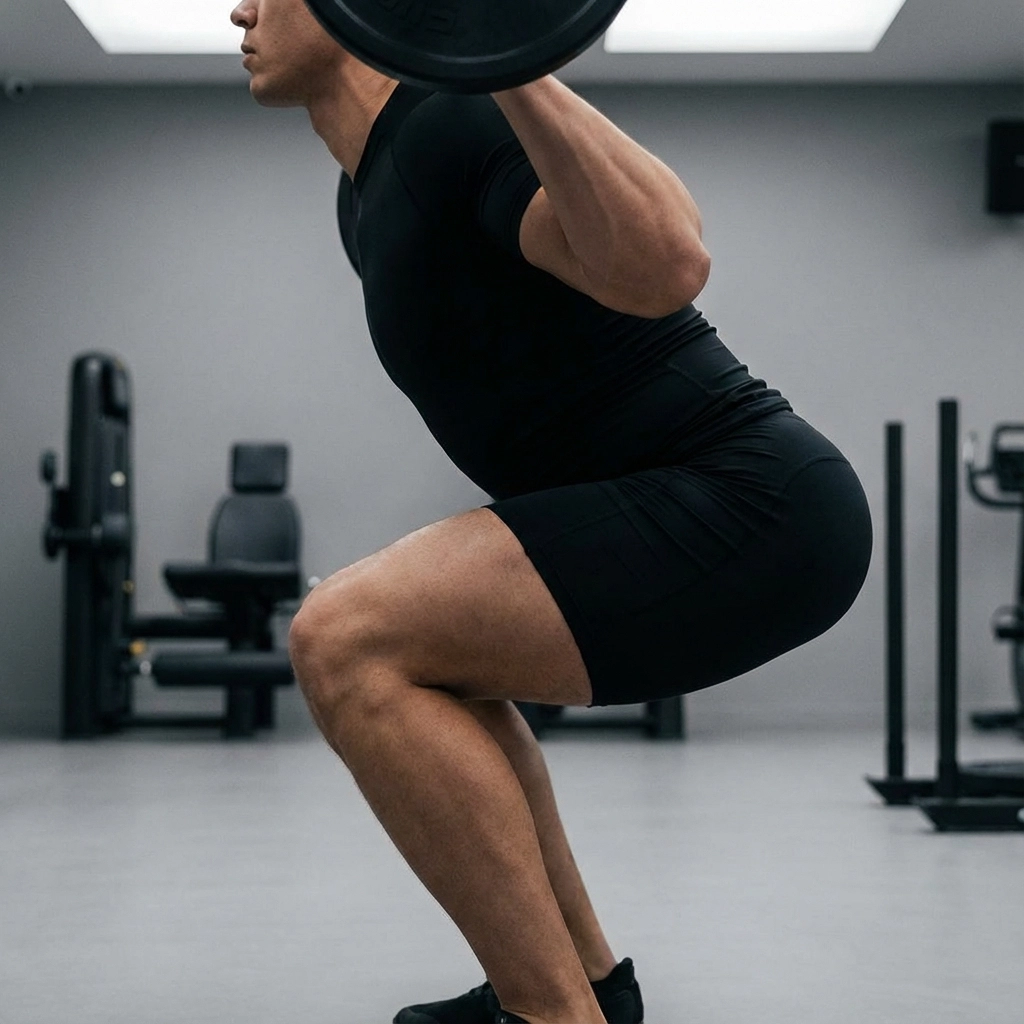
The integration of bodybuilding principles with functional movements creates a unique training environment where athletes can develop both aesthetic appeal and athletic capacity. Exercises like Bulgarian split squats performed with a slow tempo, or single-arm rowing variations emphasising lat engagement, exemplify this hybrid approach.
Evolution or Abandonment of CrossFit Principles?
Critics argue that functional bodybuilding represents an abandonment of CrossFit's core principles, particularly the commitment to constantly varied, functional movements performed at high intensity. They contend that slowing down movements and focusing on isolation exercises contradicts the sport's fundamental philosophy.

However, proponents view functional bodybuilding as an evolution rather than a rejection of CrossFit methodology. They argue that maintaining functional movement patterns whilst incorporating bodybuilding techniques creates a more sustainable and comprehensive approach to fitness.
The evidence supports a nuanced view. Research indicates that periodisation and training variation are crucial for long-term athletic development. Athletes who exclusively focus on high-intensity training often experience plateaus, overuse injuries, and burnout. Functional bodybuilding provides a framework for addressing these limitations whilst preserving the benefits of functional movement training.
Moreover, many functional bodybuilding programmes maintain CrossFit's emphasis on compound movements and functional capacity. The difference lies in the application: instead of performing these movements exclusively at high intensity, athletes incorporate various rep ranges, tempos, and intensities to achieve different training adaptations.
Who Benefits from This Hybrid Approach?
Functional bodybuilding appeals to a diverse population, from competitive athletes to recreational fitness enthusiasts. Understanding who benefits most from this approach helps clarify its role in the broader fitness landscape.
Former Competitive CrossFit Athletes: Those transitioning away from competition often find functional bodybuilding provides structure and progression without the physical and mental demands of constant high-intensity training.
Aesthetic-Focused Individuals: People seeking muscle development and physique improvements whilst maintaining functional capacity benefit significantly from this hybrid approach.
Injury-Prone Athletes: The emphasis on movement quality, controlled tempos, and adequate recovery makes functional bodybuilding suitable for those with previous injuries or movement limitations.
Older Athletes: As recovery capacity decreases with age, the sustainable nature of functional bodybuilding becomes increasingly appealing compared to traditional high-intensity CrossFit training.
Strength Sport Athletes: Powerlifters, weightlifters, and strongman competitors often incorporate functional bodybuilding principles during hypertrophy phases or as accessory work.
Practical Implementation Strategies
Successful functional bodybuilding programmes require careful balance between intensity, volume, and recovery. Most effective programmes follow these principles:
Periodised Approach: Alternating between strength, hypertrophy, and conditioning phases prevents stagnation and addresses different training adaptations.
Movement Quality Focus: Every exercise emphasises proper form and controlled movement speed, often incorporating pause reps and tempo prescriptions.
Progressive Overload: Systematic increases in volume, intensity, or complexity ensure continuous adaptation and improvement.
Accessory Integration: Isolation exercises address muscle imbalances and aesthetic goals whilst supporting main compound movements.
Recovery Emphasis: Planned rest days, deload weeks, and sleep prioritisation support adaptation and prevent overtraining.
Typical weekly structure might include three to four training days combining compound movements with accessory work, one to two conditioning sessions, and active recovery activities. This approach provides sufficient stimulus for muscle development whilst maintaining cardiovascular fitness and movement capacity.
The Commercial Success and Cultural Impact
The rise of functional bodybuilding reflects broader changes in fitness culture, particularly the growing emphasis on sustainable training practices and aesthetic goals. Commercial success of programmes like PRVN Fitness, along with similar offerings from coaches like Marcus Filly, demonstrates significant market demand for this hybrid approach.
Social media has amplified this trend, with functional bodybuilding practitioners often showcasing impressive physiques developed through sustainable training methods. This visibility has attracted individuals who might be intimidated by traditional CrossFit's intensity or put off by conventional bodybuilding's singular focus on aesthetics.
The movement has also influenced traditional CrossFit gyms, many of which now offer functional bodybuilding classes or incorporate these principles into their programming. This evolution reflects the fitness industry's growing recognition that one-size-fits-all approaches may not serve diverse populations effectively.
Looking Forward: The Future of Functional Fitness
Functional bodybuilding represents a maturation of the functional fitness movement, acknowledging that different training methods serve different purposes and populations. Rather than viewing this as a departure from CrossFit principles, it's more accurate to see it as an expansion of the functional fitness toolkit.
The success of this hybrid approach suggests that the future of fitness may be less dogmatic and more individualised. As research continues to refine our understanding of training adaptations and recovery needs, we can expect further evolution in how functional fitness principles are applied across different populations and goals.
For those considering functional bodybuilding, the key lies in honest assessment of individual goals, preferences, and recovery capacity. Whether seeking aesthetic improvements, athletic performance, or simply sustainable long-term fitness, this approach offers a viable alternative to traditional high-intensity training methods.
The CrossFit world's embrace of hypertrophy and aesthetic goals doesn't represent an abandonment of functional movement principles: it represents their thoughtful application in service of diverse fitness objectives. As the movement continues to evolve, functional bodybuilding will likely play an increasingly important role in helping people achieve both the physiques they want and the functional capacity they need.