Maintaining a healthy lifestyle during pregnancy is crucial for the well-being of both the mother and the baby.
Here are some key tips for having a healthy pregnancy:
1. Consult with your healthcare provider: It is important to consult with your healthcare provider before starting any fitness routine during pregnancy. They can provide guidance based on your individual health condition and ensure that the exercises you choose are safe for you and your baby.
2. Stay active: Regular exercise can help improve your overall health during pregnancy. Engage in activities that are safe and low-impact, such as walking, swimming, prenatal yoga, or modified strength training. These activities can help with maintaining a healthy weight, reducing pregnancy discomfort, and improving muscle strength and flexibility.
3. Listen to your body: Pregnancy brings about many physical changes, and it's essential to listen to your body and adjust your fitness routine accordingly. Avoid exercises that put excessive strain on your joints or involve lying flat on your back after the first trimester. Stay hydrated and take breaks when needed.
4. Eat a balanced diet: Proper nutrition plays a vital role in maintaining a healthy pregnancy. Stay hydrated by drinking plenty of water throughout the day.
5. Get enough rest: Sleep is crucial for your overall health and well-being, especially during pregnancy. Aim for at least 7-8 hours of quality sleep each night. Use pillows or other supports to find a comfortable sleeping position.
6. Practice stress management: Pregnancy can be a stressful time, and managing stress is important for your health. Engage in relaxation techniques such as deep breathing exercises, meditation, prenatal massages, or prenatal yoga classes specifically designed to promote relaxation and reduce stress.
7. Attend regular prenatal check-ups: Regular prenatal check-ups with your healthcare provider are essential for monitoring your health and the development of your baby. Follow their advice and make sure to discuss any concerns or questions you may have about your fitness and health during pregnancy.
Why is gaining a healthy amount of weight during pregnancy important?
Having the weight you need during pregnancy helps keep your baby in good shape for life. Weight gains can cause serious health issues in you and your child. Increasing the weight during pregnancy may increase your risk of developing perinatal diabetes and high blood pressure. This may even lead you to develop diabetes later on in life. When pregnant with babies, your health risks are higher.
Gaining a healthy amount of weight during pregnancy is important for several reasons. First and foremost, how much weight gain is, it ensures the well-being and proper development of the baby. Adequate weight gain is essential for providing the necessary nutrients and energy for the growing fetus. It supports the formation of organs, tissues, and bones, as well as the development of the baby's brain.
Additionally, gaining an appropriate amount of weight during pregnancy helps to prevent complications and reduce the risk of certain health issues for both the mother and the baby. When a pregnant woman does not gain enough weight, it can increase the chances of delivering a low birth weight baby, which is associated with a higher risk of health problems and developmental delays. On the other hand, excessive weight gain can lead to complications such as gestational diabetes, high blood pressure, and an increased likelihood of needing a cesarean section.
Maintaining a healthy amount recommended weight gain during pregnancy also promotes the mother's well-being. It can help prevent excessive fatigue, improve energy levels, and reduce the discomfort associated with carrying extra weight. It may also contribute to a quicker postpartum recovery and facilitate the return to a healthy weight after giving birth.
To ensure a healthy amount of weight gain during pregnancy, it is recommended to follow the guidance of healthcare professionals. They can provide personalized recommendations based on the mother's pre-pregnancy weight, body mass index, and overall health. A balanced diet that includes a variety of nutrient-rich foods, along with regular physical activity appropriate for pregnancy, is essential for promoting a healthy weight gain. Monitoring weight gain throughout pregnancy and addressing any concerns with healthcare providers is also crucial.
Why diet is important during pregnancy for you and your baby

Your diet during your child's pregnancy supports your own health and your newborn's development and growth. Pregnant women should eat a healthy food that contains high nutritional value, fatty foods high in fiber, and high in saturated fat. It's typical to gain weight when undergoing pregnancy. Weight gains can be influenced by the weight gain during pregnancy and after birth. Evidence indicates that BMI helps determine what weight gains should be considered during a pregnant women's health and pregnancy. A healthy diet can provide adequate food for pre-term infants.
Diet plays a crucial role in maintaining the health and well-being of both the mother and the baby during pregnancy.
Here are some reasons why maintaining a healthy diet is important:
1. Adequate Nutrition: Proper nutrition is essential for the growth and development of the baby. A healthy eating well-balanced diet ensures that the baby receives all the necessary nutrients, vitamins, and minerals required for optimal development. This includes essential nutrients like folic acid, iron, calcium, and omega-3 fatty acids.
2. Healthy Weight Gain: A balanced diet helps in managing healthy weight gain during pregnancy. Excessive weight gain can lead to complications such as gestational diabetes, high blood pressure, and difficulties during delivery. On the other hand, inadequate weight gain can affect the baby's growth and increase the risk of preterm birth or low birth weight.
3. Prevention of Birth Defects: Certain nutrients, like folic acid, are crucial in preventing neural tube defects in the baby's development. It is recommended to consume foods rich in folic acid, such as leafy greens, citrus fruits, legumes, and fortified cereals, or take a prenatal vitamin or folic acid supplement, as advised by your healthcare provider.
4. Energy and Vitality: Pregnancy demands extra energy and nutrients to support the mother's body as well as the growing baby. A well-balanced diet ensures that the mother has the energy and vitality needed to cope with the physical and hormonal changes that occur during pregnancy.
5. Gut Health and Immunity: A healthy diet, rich in fiber from fruits, vegetables, whole grains, and probiotic-rich foods, helps maintain good gut health. This, in turn, supports a healthy immune system for both the mother and the baby.
6. Reduced Risks and Complications: A nutritious diet during pregnancy can help reduce the risk of certain pregnancy-related complications such as preeclampsia, gestational diabetes, and preterm labor. It also promotes a healthy birth weight and reduces the likelihood of developmental issues in the baby.

What is a 'balanced diet'?
The best food for healthy weight management includes many healthy foods in each food group. Besides drinking water you should also drink a lot. Almost all people eat well and have days where we can eat more food treats. Pregnant cravings may make it more difficult to deal with, especially when it involves high sugars or fats. Pregnant women need to eat all they want. You need to call your physician if you're concerned. A balanced diet during pregnancy is crucial for the health and development of both the mother and the baby. It is important to ensure that you are getting all the necessary nutrients to support a healthy pregnancy.
Here are some key points to consider for maintaining a balanced diet during pregnancy:
1. Macronutrients: Include a good balance of carbohydrates, proteins, and healthy fats in your diet. Carbohydrates provide energy, while proteins are essential for the growth and development of the baby. Healthy fats, such as those found in avocados and nuts, are important for brain development.
2. Essential vitamins and minerals: Incorporate a variety of fruits, vegetables, whole grains, and dairy products into your meals to ensure you are getting a wide range of vitamins and minerals. Folate, iron, calcium, and vitamin D are particularly important during pregnancy.
3. Adequate hydration: Drink plenty of water throughout the day to stay hydrated. Dehydration can lead to complications, so it is essential to maintain a good fluid intake.
4. Fiber-rich foods: Include foods high in fiber, such as whole grains, fruits, and vegetables in healthy meals, to prevent constipation, which is common during pregnancy.
5. Avoid excessive weight gain: While it is normal to gain weight during pregnancy, it is important to avoid excessive weight gain. Focus on nutrient-dense foods rather than empty calories.
6. Limit processed foods and added sugars: Processed foods and foods high in added sugars provide little nutritional value and can lead to weight gain and other health issues. Opt for whole, unprocessed foods whenever possible.
7. Listen to your body: Every woman's nutritional needs during pregnancy may vary. Pay attention to your body's signals and consult with a healthcare professional to ensure you are meeting your unique nutritional requirements.
Folate and folic acid — Prevent brain and spinal cord birth problems

Folate is a B vitamin that can help in the prevention and treatment of brain disorders (near-term nerve disorders). The synthetic folate present in supplements and fortifying foods is referred to as folic acids. Folic acid supplementation may help reduce premature or poor birth weight babies. Tell me the recommended intake of folic acid and folate in pregnant women: 400 micrograms per day. Dark green leaves and fruits and dried kale beans, peas, and lentils are great sources.
Folate and folic acid are essential nutrients that play a crucial role in maintaining overall health, particularly during pregnancy. These nutrients are important for the proper development of the brain and spinal cord in the fetus, helping to prevent birth defects such as neural tube defects.
Folate is the natural form of vitamin B9 found in foods, while folic acid refers to the synthetic form of the vitamin found in supplements and fortified foods. Both forms are effective in supporting fetal development and reducing the risk of neural tube defects, which occur in the early stages of pregnancy when the neural tube fails to close properly.
To ensure an adequate intake of folate/folic acid for optimal health, it is recommended that women of childbearing age consume 400-800 micrograms of folate or folic acid daily, even if they are not planning to become pregnant. This is because neural tube defects can occur in the first few weeks of pregnancy, often before a woman knows she is pregnant.
Good food sources of folate include dark leafy greens (such as spinach and kale), legumes, citrus fruits, and fortified milk, cereals, and whole grains. Incorporating these foods into a balanced diet is a great way to naturally increase one's folate intake. However, since it can be challenging to obtain enough folate from diet alone, supplementation with folic acid is often recommended, especially for women who are planning or expecting a pregnancy.
In addition to its role in preventing birth defects, folate/folic acid also supports overall health and wellbeing. It contributes to the production of red blood cells, aids in DNA synthesis and repair, and helps to convert food into energy. Adequate folate/folic acid levels are also associated with a reduced risk of certain types of cancer, heart disease, and cognitive decline.

Do I have any special nutrition needs now that I’m pregnant?
Yeah. Throughout pregnancy, you may have to take dietary supplements to increase your metabolism, which includes iron and calcium. It’s important if one gets enough iron and folate from prenatal supplement. Folates are a dietary supplement that can prevent birth disorders. Pregnancy needs 400 mg a day of supplements or supplements, and a supplement of folate from food. The pregnant woman requires 400 mg of the dietary supplement. When breastfeeding your baby requires 250 mg of folate daily to be healthy. 1. Foods high in folate include citrus fruits, strawberries, spinach, broccoli, rye bread, fortified bread and fortified low-calorie breakfast cereal. This food may provide up to 100% folic acid per serving.
Yes, pregnancy brings about important changes in your body and nutritional needs. It is crucial to pay attention to your diet during this time to support the growth and development of your baby.
Here are some special nutrition needs to consider:
1. Adequate Caloric Intake: Your calorie needs increase during pregnancy to provide energy for both you and your growing baby. It is recommended to consume about 300-500 extra calories per day, depending on your pre-pregnancy weight and activity level.
2. Essential Nutrients: Focus on consuming a variety of nutrient-dense foods to ensure you meet your increased nutrient requirements. Some of protein foods and key nutrients to pay attention to include:
- Folate: It is important for the development of the baby's neural tube. Include folate-rich foods like leafy greens, legumes, fortified grains, and citrus fruits in your diet. Consider taking a prenatal vitamin containing folic acid as well.
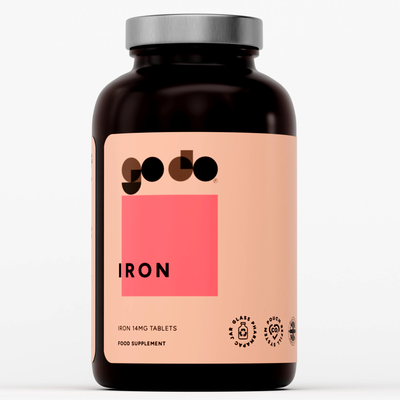
- Iron: Iron needs increase during pregnancy to support the production of red blood cells and prevent anemia. Include iron-rich foods such as lean meats, poultry, fish, beans, spinach, and fortified cereals in your diet. Vitamin C-rich foods can enhance iron absorption, so pair iron-rich foods with citrus fruits or bell peppers.
- Calcium: Calcium is crucial for the development of the baby's bones and teeth. Include dairy products, fortified dairy foods, plant-based milk alternatives, leafy greens, and calcium-fortified foods in your diet.
- Omega-3 Fatty Acids: These are important for the baby's brain and eye development. Include fatty fish (like salmon and sardines), chia seeds, flaxseeds, and walnuts in your diet.
- Protein: Protein is essential for the growth and repair of tissues. Incorporate lean meats, poultry, fish, eggs, dairy products, legumes, and tofu into your meals.
3. Hydration: Staying well-hydrated is crucial during pregnancy. Aim to drink plenty of water throughout the day and listen to your body's thirst signals.
4. Safe Food Choices: Be mindful of certain foods that may pose a risk during pregnancy due to the potential for foodborne illnesses. Avoid raw or undercooked meats, fish high in mercury, unpasteurized dairy products, raw eggs, and certain types of seafood such as shark, swordfish, king mackerel, and tilefish

What is the nutrition and lifestyle for a healthy pregnancy?
Diet and nutrition recommendation: The calories need to be obtained through a healthy diet combining fruits, vegetables body fat, and protein. Whole grains. Sugar is not allowed in food. The use of proper nutrition during pregnancy can be beneficial. During pregnancy, it is important to prioritize nutrition and maintain a healthy lifestyle to support both the mother's well-being and the development of the baby.
Here are some key considerations for a healthy pregnancy:
1. Balanced Nutrition: Focus on consuming a well-rounded diet that includes a variety of foods from different food groups. Ensure an adequate intake of whole grains, fruits, vegetables, lean proteins, and healthy fats. Include sources of calcium, such nutritious foods such as dairy products or fortified plant-based alternatives, to support the baby's bone development. It is also essential to consume sufficient iron-rich foods or consider iron supplements to prevent anemia.
2. Sufficient Hydration: Drink plenty of water throughout the day to stay hydrated. Proper hydration is crucial for the mother's overall health and helps support several bodily functions like digestion, circulation, and maintaining amniotic fluid levels.
3. Prenatal Vitamins: Consult with a healthcare provider to determine the appropriate prenatal vitamins to support the additional nutrient needs during pregnancy. These usually include folic acid, iron, calcium, and other essential vitamins and minerals.
4. Regular Exercise: Engaging in moderate exercise during pregnancy, with guidance from a healthcare provider, can provide numerous benefits. Exercise can help improve mood, boost energy levels, promote healthy weight gain, and prepare the body for childbirth. Opt for low-impact activities like walking, swimming, or prenatal yoga.
5. Adequate Rest: Get enough sleep and prioritize rest to support your body's needs during pregnancy. Pregnancy can be physically and emotionally demanding, so it is essential to listen to your body and take breaks when needed.
6. Managing Stress: Pregnancy can be a time of increased stress and anxiety. Explore relaxation techniques such as deep breathing exercises, meditation, or prenatal yoga to help manage stress levels. Engage in activities that bring joy and promote mental well-being.
7. Regular Prenatal Check-ups: Attend scheduled prenatal appointments with your healthcare provider to monitor the progress of your pregnancy, address any concerns, and ensure the overall health of both mother and baby.
8. Avoid Harmful Substances: It is crucial to avoid alcohol, tobacco, and recreational drugs during pregnancy, as they can have harmful effects on the baby's development. Limit caffeine intake and consult your healthcare provider regarding the recommended safe levels.
Remember, every pregnancy is unique, and it is essential to consult with a healthcare provider for personalized guidance and to address any specific needs or concerns. They can provide individualized recommendations based on your health history and current pregnancy status.