

Fatigue that no amount of sleep fixes, a stubborn 10 pounds that won’t budge no matter what you eat, mood swings that feel completely out of your control. These are not just signs of a bad week. For millions of adults, they are the daily reality of hormonal imbalance. The good news is that what you eat plays a surprisingly powerful role in how your hormones behave. This guide walks you through the science, the food choices, and the step-by-step strategies you need to start supporting your hormonal health through nutrition today.
Table of Contents
- Understanding hormones and nutrition: The foundation
- What to eat for hormone health: Building your daily plan
- Step-by-step: Implementing your hormone-supportive nutrition plan
- Common pitfalls and how to troubleshoot your hormone nutrition plan
- How to track progress and verify results
- A realistic view: What nutrition can and can’t do for your hormones
- Take next steps with Fitness Health
- Frequently asked questions
Key Takeaways
| Point | Details |
|---|---|
| Nutrition shapes hormones | What and how you eat directly affects hormone production and regulation. |
| Focus on dietary patterns | Consistent, nutrient-dense meals are more impactful than any single superfood. |
| Whole foods matter most | Choose protein, healthy fats, fiber, and diverse plant foods to support hormonal balance. |
| Track your progress | Monitor how you feel and use lab tests where needed to evaluate your results. |
| Seek medical expertise | A healthy diet supports hormone health but does not replace professional therapy for true imbalances. |
Understanding hormones and nutrition: The foundation
Before you can fix a problem, you need to understand what is driving it. Hormonal balance refers to having the right hormones circulating in the right amounts at the right times. When that balance shifts, even slightly, you feel it. Common symptoms of imbalance include irregular cycles, low libido, unexplained weight changes, brain fog, poor sleep, and persistent fatigue.
Nutrition shapes hormonal health in several direct ways. The three macronutrients, fats, proteins, and carbohydrates, each play a distinct role. So do micronutrients like magnesium, zinc, and vitamin D. Understanding these roles helps you stop guessing and start eating with intention.
How key nutrients affect your hormones:
- Healthy fats are the raw material for steroid hormones. Avocados, olive oil, and fatty fish provide building blocks for estrogen, progesterone, and testosterone, and help prevent insulin resistance while reducing inflammation.
- Protein is non-negotiable. Eating 25 to 35 grams per main meal supplies the amino acids needed for peptide hormone synthesis and keeps blood sugar stable, which directly supports insulin regulation.
- Dietary fiber, ideally 25 to 35 grams daily from fruits, vegetables, legumes, and whole grains, binds excess estrogen in the gut for excretion, regulates insulin, and promotes satiety.
- Micronutrients like magnesium, zinc, iodine, and B vitamins act as cofactors in hormone production. You can explore key vitamins and minerals that directly support hormonal pathways.
Here is a quick overview of how specific nutrients map to hormonal function:
| Nutrient | Hormones supported | Best food sources |
|---|---|---|
| Omega-3 fatty acids | Estrogen, cortisol, insulin | Salmon, sardines, flaxseed |
| Magnesium | Cortisol, insulin, thyroid | Leafy greens, pumpkin seeds |
| Zinc | Testosterone, thyroid hormones | Oysters, beef, pumpkin seeds |
| Vitamin D | Testosterone, estrogen, insulin | Sunlight, fatty fish, egg yolks |
| Dietary fiber | Estrogen, insulin | Oats, lentils, broccoli, berries |
| Complete protein | Peptide hormones, insulin | Eggs, legumes, lean meats |
Your gut microbiome also plays a major role that most people overlook. Specific gut bacteria help metabolize estrogen through a process called the estrobolome. When fiber fermentation is healthy, these bacteria keep estrogen circulating at appropriate levels. Poor gut health basics can lead to estrogen being reabsorbed rather than excreted, which contributes to estrogen dominance.
Important: Hormone regulation is multifaceted, and no single food is a fix-all. The goal is a consistent dietary pattern, not a magic ingredient.
What to eat for hormone health: Building your daily plan
Now that you understand the mechanisms, it is time to build a practical eating plan. The research is clear that overall dietary patterns matter far more than individual superfoods.

Higher adherence to a Mediterranean-style diet is associated with 43 to 53 percent lower odds of polycystic ovary syndrome (PCOS), largely because of improved insulin sensitivity from fiber and omega-3s, plus micronutrients like magnesium, zinc, and vitamin D that directly regulate hormone production.
Top hormone-friendly foods to prioritize:
- Fatty fish (salmon, mackerel, sardines): Rich in omega-3s that reduce inflammation and support estrogen metabolism.
- Cruciferous vegetables (broccoli, cauliflower, Brussels sprouts): Contain indole-3-carbinol, which supports healthy estrogen detoxification in the liver.
- Flaxseeds: Provide lignans that modulate estrogen activity and a solid dose of fiber.
- Eggs: One of the most complete sources of protein and healthy fats, plus choline which supports liver function and hormone clearance.
- Legumes (lentils, chickpeas, black beans): High-fiber, plant-based protein that stabilizes blood sugar and feeds beneficial gut bacteria.
- Avocados: Loaded with monounsaturated fats and potassium, supporting adrenal function and cortisol regulation.
- Leafy greens (spinach, kale, Swiss chard): Rich in magnesium and folate, both critical for hormone synthesis and methylation pathways.
- Berries: Packed with dietary antioxidants that reduce oxidative stress, which can interfere with hormone signaling.
Mediterranean vs. typical Western diet for hormonal impact:
| Factor | Mediterranean diet | Typical Western diet |
|---|---|---|
| Fat quality | Mostly unsaturated (olive oil, fish) | High in trans and saturated fats |
| Fiber intake | 30+ grams daily | Often below 15 grams daily |
| Sugar load | Low, from whole fruits | High, from processed foods and drinks |
| Protein sources | Legumes, fish, lean meats | Processed meats, fast food |
| Micronutrient density | High | Often low |
| Insulin impact | Supports sensitivity | Promotes insulin resistance |
| Inflammation | Anti-inflammatory | Pro-inflammatory |
A whole-food diet rich in protein, fiber, and healthy fats while avoiding refined sugars, processed carbs, and ultra-processed foods forms the foundation of hormone-supportive eating. For women, cycle-syncing your nutrition, eating more fiber-rich foods during high-estrogen phases and more protein and healthy fats during the luteal phase, can further support hormonal rhythm. You can find more targeted strategies in our women’s health nutrition resources.
Sample daily meal structure:
- Breakfast: Scrambled eggs with spinach and avocado on whole grain toast (protein + healthy fat + fiber)
- Lunch: Grilled salmon over a large salad with olive oil dressing and lentils (omega-3s + fiber + protein)
- Snack: A small handful of pumpkin seeds and berries (magnesium + antioxidants)
- Dinner: Chicken thighs with roasted broccoli and quinoa (protein + cruciferous veg + complex carbs)
Pro Tip: Do not chase miracle foods. The most powerful change you can make is replacing one ultra-processed meal per day with a whole-food option. Small, consistent swaps build the hormonal environment your body needs.
Step-by-step: Implementing your hormone-supportive nutrition plan
Knowing what to eat is one thing. Actually doing it consistently is another. Here is a practical, step-by-step approach to making these changes stick.
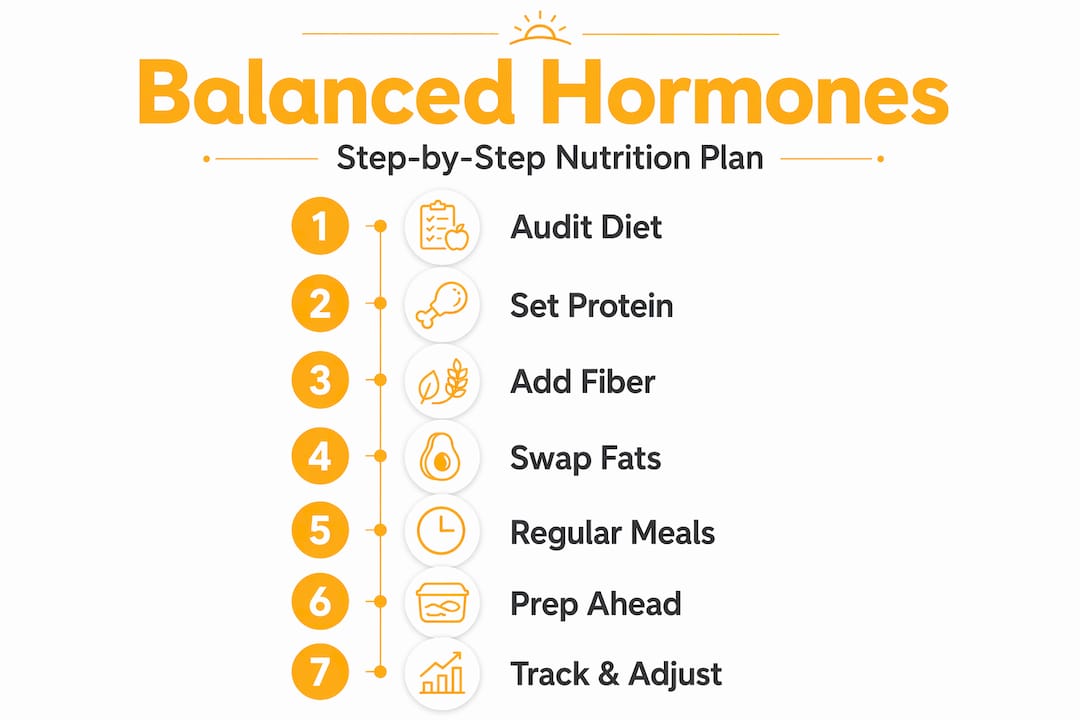
Step 1: Audit your current diet. Spend three days writing down everything you eat and drink. Look for patterns: Are you skipping meals? Eating mostly processed foods? Getting less than 20 grams of fiber daily? This baseline reveals your biggest leverage points.
Step 2: Set your protein target first. Aim for 25 to 35 grams of protein per main meal to stabilize blood sugar and support hormone synthesis. Build each meal around a protein anchor before adding other components.
Step 3: Add fiber incrementally. Jumping from 10 to 35 grams of fiber overnight causes bloating and discomfort. Add one high-fiber food per day over two weeks. Swap white rice for brown rice, add a serving of lentils to soups, or toss chia seeds into your morning smoothie.
Step 4: Replace inflammatory fats. Swap vegetable seed oils (canola, soybean, corn) for extra virgin olive oil and avocado oil in cooking. Add fatty fish twice a week. These changes directly support steroid hormone production.
Step 5: Stabilize your meal timing. Skipping meals spikes cortisol and disrupts insulin rhythms. Eating at consistent times each day helps maintain steady energy and keeps blood sugar from crashing between meals.
Step 6: Prepare strategically. Batch cook proteins and grains on Sundays. Keep washed vegetables ready to grab. Stock your pantry with canned salmon, lentils, nuts, and seeds. When healthy food is convenient, you actually eat it.
Step 7: Monitor symptoms and adjust. Keep a simple weekly log of energy levels, sleep quality, mood, and any cycle-related symptoms. This is your feedback system. If you notice improvement after adding more magnesium-rich foods, that tells you something important about your individual needs. Addressing joint health tips and other inflammation-related concerns alongside your nutrition plan can also accelerate results.
Step 8: Partner with a healthcare provider. Hormonal imbalances often require medical treatment, and diet supports but does not replace therapy for conditions like diabetes, thyroid disease, or menopause. If symptoms are severe or persistent, get lab work done before self-treating.
Pro Tip: Track your meals and symptoms in a simple notes app or journal for at least four weeks. Patterns will emerge that help you personalize your nutrition far more effectively than any generic plan.
Common pitfalls and how to troubleshoot your hormone nutrition plan
Even with the best intentions, people make mistakes that stall their progress. Knowing these pitfalls in advance puts you ahead.
Most common mistakes:
- Over-restricting calories or food groups. Severe calorie restriction raises cortisol and suppresses reproductive hormones. Your body interprets starvation as a threat and shuts down non-essential hormonal functions.
- Relying too heavily on supplements. Supplements can fill gaps but cannot replicate the synergistic effects of whole foods. A magnesium pill does not deliver the fiber, antioxidants, and phytonutrients that come with a cup of pumpkin seeds.
- Eating the same foods repeatedly. Nutrient diversity matters. Rotating your protein sources, vegetables, and fats ensures you cover the full spectrum of micronutrients your hormones need.
- Skipping meals. Meal skipping creates blood sugar instability that taxes the adrenal glands and disrupts cortisol rhythms throughout the day.
- Ignoring medical care. Diet alone is insufficient for diagnosed hormonal disorders like thyroid disease or menopause. Restrictive diets can also create nutrient deficiencies that worsen hormonal symptoms.
- Chasing trending diets. Keto, carnivore, and other restrictive approaches may work short-term for some people but often cut out fiber and plant compounds that are critical for estrogen metabolism and gut health.
If you have been eating well for six weeks and still feel stuck, consider whether weight management challenges like insulin resistance or thyroid dysfunction might be driving your symptoms. These conditions require professional evaluation, not just dietary tweaks.
Expert note: Evidence-based practitioners consistently emphasize dietary patterns over individual nutrients, caution against miracle food claims, and prioritize medical evaluation for persistent or unexplained hormonal symptoms.
How to track progress and verify results
Starting a new nutrition plan without tracking results is like driving without a destination. Here is how to measure whether your efforts are actually working.
Step 1: Establish a weekly symptom log. Rate your energy, mood, sleep quality, and any cycle-related symptoms on a scale of 1 to 10 every Sunday. This creates a data trail you can actually use.
Step 2: Track biometrics at home. Waist circumference, morning resting heart rate, and sleep duration are simple, free metrics that reflect hormonal health trends over time.
Step 3: Consider lab testing after 8 to 12 weeks. Ask your doctor to test fasting insulin, HbA1c (a measure of long-term blood sugar control), thyroid panel, sex hormone binding globulin (SHBG), and relevant sex hormones. These markers give you objective data on how your nutrition changes are affecting your hormonal environment.
Step 4: Evaluate and adjust. If your energy improved but your sleep is still poor, look at your magnesium and carbohydrate intake in the evening. If your mood stabilized but your cycle is still irregular, discuss this with your provider. Nutrition is iterative, not a one-time fix.
A compelling example of what is possible: in a 12-week dietary intervention for women with PCOS, participants following structured nutrition guidelines saw significant reductions in HbA1c, triglycerides, LDL cholesterol, LH, insulin, DHEA, estradiol, prolactin, and testosterone, alongside increases in HDL cholesterol, SHBG, and progesterone. These are not trivial changes. They represent meaningful hormonal normalization driven by food choices alone.
Tracking your supporting heart health markers alongside hormone-related ones gives you a fuller picture of how your dietary changes are working systemically.
A realistic view: What nutrition can and can’t do for your hormones
Here is the honest truth that most wellness content skips over. Nutrition is genuinely powerful for hormonal health. But it is not magic, and it is not the whole story.
The evidence clearly emphasizes patterns over single foods, cautions against hype, and notes that while the fiber-hormone link is promising, some research reviews still call the evidence inconclusive for specific conditions. That does not mean nutrition does not matter. It means the bar for real results is consistency over months, not a two-week cleanse.
What we have seen consistently is that people who make the most progress are not the ones who found the perfect superfood. They are the ones who quietly replaced processed snacks with whole foods, started eating protein at breakfast, and stopped skipping meals. Boring? Yes. Effective? Absolutely.
The hype around “hormone-balancing” diets often sets people up for disappointment because it implies precision that does not exist. Your hormones are influenced by sleep, stress, exercise, body composition, age, and genetics, not just food. A great diet cannot fully compensate for chronic sleep deprivation or unmanaged stress. Nutrition is one powerful lever among several.
If your symptoms are severe, have appeared suddenly, or have not responded to several months of genuine dietary effort, please see a doctor. Conditions like Hashimoto’s thyroiditis, PCOS, adrenal insufficiency, and perimenopause require medical management. Diet can absolutely support treatment, but it cannot replace it. The most effective approach combines smart nutrition with appropriate medical care and honest tracking of results.
Take next steps with Fitness Health
You now have the knowledge, the food choices, and the step-by-step framework to start building a hormone-supportive nutrition plan. The next move is yours.
At Fitness Health, we offer a wide range of resources, supplements, and wellness guides designed to support your goals at every stage. Whether you are looking for targeted support through men’s hormone health guidance or practical advice through our women’s hormone health tips, you will find evidence-informed content and quality products to complement your nutrition plan. Explore our full library and take the next step toward feeling like yourself again.
Frequently asked questions
Can diet alone correct a hormonal imbalance?
Diet can meaningfully support hormone health, but medical treatment is often needed for diagnosed imbalances. Think of nutrition as a powerful supporting strategy, not a standalone cure.
What foods should I avoid for better hormone balance?
Prioritize cutting refined sugars, trans fats, and ultra-processed foods, since avoiding refined sugars and processed foods is one of the most consistent recommendations for improving hormonal regulation.
How quickly can nutrition impact hormone levels?
Insulin sensitivity can improve within weeks of dietary changes, while 12-week interventions in PCOS have shown significant shifts in multiple hormone markers. Sex hormone changes typically take longer and may need additional support.
Is a specific diet like Mediterranean best for hormones?
Mediterranean-style eating is linked to meaningful hormonal benefits, but the broader principle is that consistent, whole-food dietary patterns outperform any single named diet.
Can supplements replace a hormone-focused diet?
No. The Cleveland Clinic cautions against unproven supplements and emphasizes that whole-food dietary patterns provide synergistic benefits that isolated supplements simply cannot replicate.










