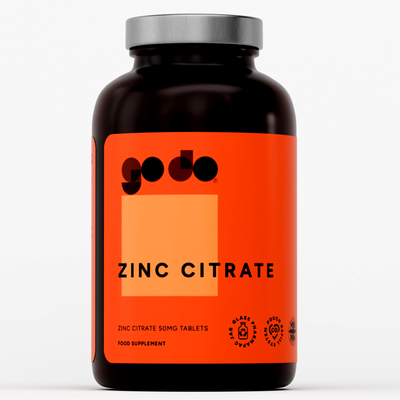
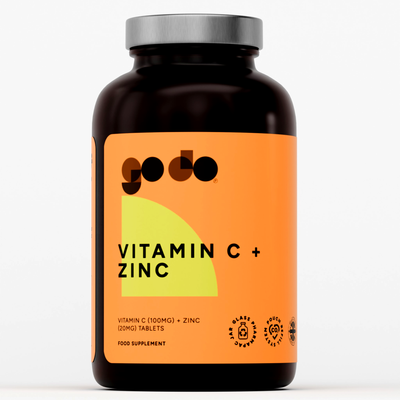
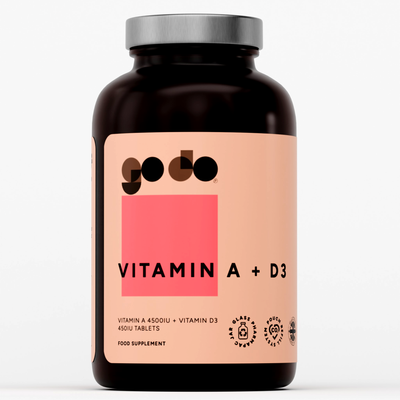
The single most effective way to cut your odds of getting sick on a trip is prioritizing sleep, hydration, and hand hygiene before you touch a single supplement bottle. Add a short, targeted supplement window (zinc, probiotic, vitamin D if you’re deficient) in the days flanking departure. If you’re immunocompromised or on medications that interact with common travel remedies, talk to a clinician first. The full playbook, phase by phase, follows below.
TL;DR:
- Prioritize sleep, hydration, and hand hygiene starting 3 to 7 days before travel, as disruption during this period impairs immune defenses more than supplements do.
- Use timed zinc lozenges, probiotics, and steady vitamin D supplementation only in the days around departure and exposure, not as daily long-term remedies.
- During travel, focus on regular hydration, movement, handwashing, nasal saline, and strategic zinc doses before prolonged exposure rather than relying solely on sanitizer or supplements.
- Adjust your immune protection strategy based on destination risk, with stricter water safety and hygiene practices for high-risk locations and specific guidance for immunocompromised travelers.
- Post-travel, prioritize sleep recovery, rehydration, and monitoring for symptoms lasting beyond a week, as travel fatigue and disruptions can weaken immunity for several days afterward.
Table of Contents
- Building Real Travel Immune Support Before You Fly
- What to Do During the Flight to Limit Exposure
- How Should You Adjust Protection by Destination?
- What Does the Evidence Actually Support?
- How to Recover and Watch Your Immune System After You Get Home
- Our Take on What Actually Belongs in a Travel Kit
- A Travel Kit Built Around What the Evidence Supports
- Sources
Building Real Travel Immune Support Before You Fly
Most people start thinking about travel immune support the night before departure, which is exactly backward. Your body needs a runway, not a rush job. The window that actually matters starts 3 to 7 days out, because sleep and circadian rhythm disruption does more damage to your defenses than skipping a vitamin ever will. A single bad night’s sleep can measurably suppress natural killer cell activity, and no lozenge reverses that.
Here’s the sequence that holds up:
- Days 7 to 3 before departure: Lock in 7 to 9 hours of sleep nightly. This is non negotiable and matters more than anything you’ll swallow.
- Days 5 to 7 out: Check your vaccination status and refill prescriptions with enough buffer for pharmacy delays. If you’re immunocompromised, the CDC recommends seeing a travel health specialist 4 to 6 weeks before departure to sort out vaccine timing and medication interactions.
- Days 3 to 5 out: Start a probiotic containing Saccharomyces boulardii if you’re heading somewhere with elevated traveler’s diarrhea risk. Trial evidence supports starting before travel and continuing through the trip, not starting after symptoms appear.
- 1 to 2 days out: If you’re vitamin D deficient, this isn’t the moment to mega-dose. Deficient travelers see the clearest benefit from steady supplementation rather than a last-minute loading dose.
- The morning of departure: Pack your kit and confirm dosing plans for zinc lozenges, which work by local action in the throat rather than through the bloodstream, so timing them around exposure windows matters more than swallowing a capsule days in advance.
Your packing list should include hand sanitizer, disinfectant wipes, electrolyte packets, saline nasal spray, zinc lozenges, your probiotic, basic OTC meds, and a copy of your immunization records. None of this is exotic. It’s the boring stuff that actually works, and nutrition fundamentals like adequate protein and vegetable intake in the days before travel support the same systems these supplements are trying to shore up.
Pro Tip: Set phone reminders for your zinc and probiotic doses tied to your flight time, not just the calendar date. Timing relative to exposure, not just consistency, is what the evidence actually supports.
What to Do During the Flight to Limit Exposure
The plane cabin, the security line, and the layover lounge are where most exposure actually happens, so this is where behavior earns its keep.
- Hydrate on a schedule, not on thirst. Cabin air runs drier than most deserts. Drink water steadily and use an electrolyte packet every few hours rather than waiting until you feel parched. Skip excess alcohol and caffeine, both of which accelerate fluid loss.
- Move every 90 minutes to 2 hours. Walking the aisle and doing ankle rotations reduces blood clot risk on long-haul flights; compression socks add extra protection on flights over 4 hours.
- Wash hands with soap over sanitizer when you can. Sanitizer is fine for tray tables and armrests, but soap and water remain more effective against norovirus, which spreads easily through crowded transit hubs.
- Use saline nasal spray every few hours. Dry mucous membranes are a weaker barrier to airborne particles, and a quick saline rinse keeps that barrier functioning.
- Time a zinc lozenge before prolonged exposure, such as a packed connecting flight or a crowded immigration line, rather than after you start feeling off.
- Consider melatonin timing for long-haul sleep. Meta-analyses show a real benefit for jet lag reduction, particularly when taken before rather than after arrival on certain routes. Dosing detail lives in the evidence section below.
Practical hydration strategies for long-haul flights echo the same principle: small, steady fluid intake beats binge drinking water once you land.
Pro Tip: Refill your water bottle after security, not before, and finish it before boarding. It’s a two-minute habit that keeps you ahead of dehydration instead of catching up to it mid-flight.
How Should You Adjust Protection by Destination?
Not every trip carries the same risk profile, and treating a weekend ski trip like a monthlong backpacking route through a high-risk region wastes effort where it isn’t needed.
- Food and water safety in higher-risk destinations: Stick to bottled or treated water, skip ice unless you know its source, and peel fruit yourself rather than trusting a street vendor’s prep surface.
- Cruises carry distinct norovirus risk. Wash hands before every meal even when sanitizer stations are everywhere, report symptoms to ship medical staff immediately, and expect isolation protocols if you’re symptomatic. It protects everyone else onboard too.
- Crowded events and conferences call for the same timed zinc and hydration tactics as flights, plus a genuine conversation with yourself about masking in tightly packed indoor spaces if you’re heading into peak illness season.
- Immunocompromised travelers need a different checklist entirely: see a CDC-recommended travel health specialist 4 to 6 weeks out, flag any live vaccines that may be contraindicated, pack extra medication beyond your trip length, and carry documentation of your travel insurance and prescriptions.
What Does the Evidence Actually Support?
Not every travel supplement on the shelf has trial data behind it, and that gap matters more than marketing copy admits.
Melatonin has the strongest support of the bunch. Systematic review and meta-analysis data show it reduces self-reported jet lag, with pre-flight timing often outperforming post-arrival dosing depending on route direction. Effective doses in trials tend to be low, often in the 0.5 to 3 milligram range, and higher doses don’t reliably work better.
Vitamin D helps most clearly in people who are already deficient. Meta-analyses tie supplementation to reduced acute respiratory infection risk specifically in that group, not as a universal booster for everyone regardless of baseline status.
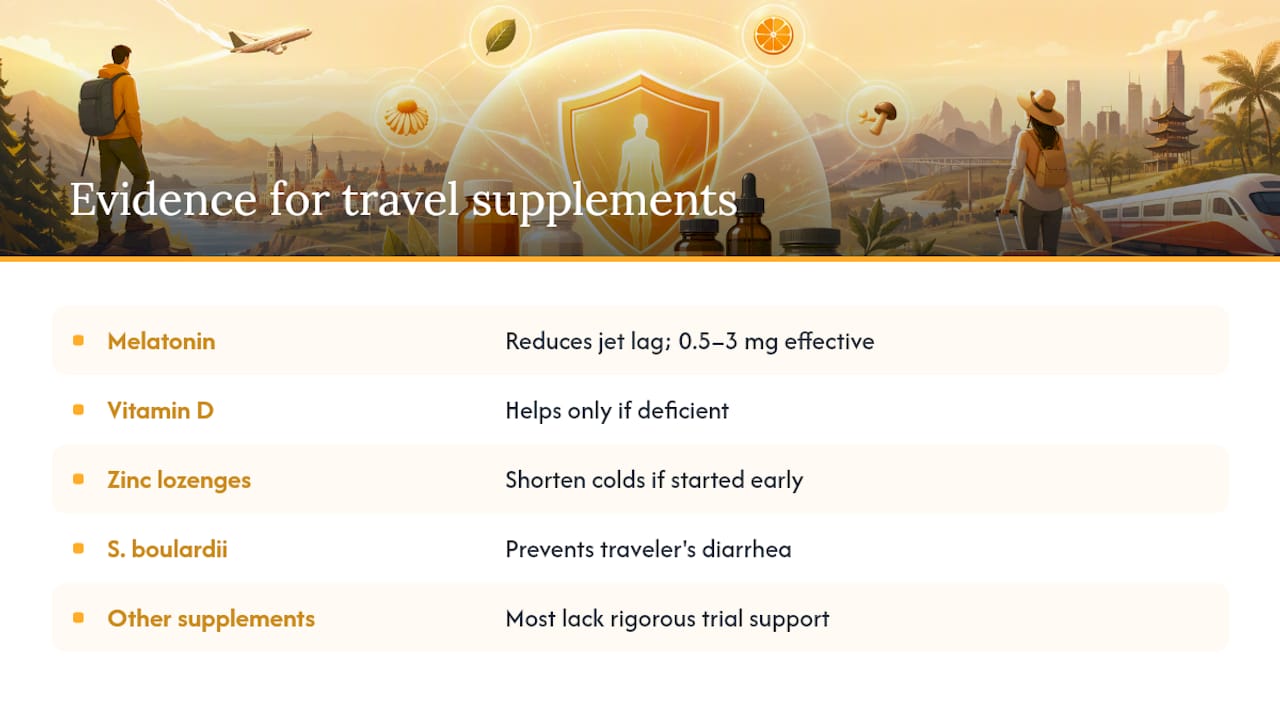
Zinc lozenges, started early, shorten cold duration in randomized trials. The lozenge format matters because it delivers zinc directly to throat tissue rather than relying on systemic absorption.
Probiotics, specifically Saccharomyces boulardii, carry solid RCT support for preventing traveler’s diarrhea when started before departure and continued through the trip.
Broader systematic reviews of in-flight wellness products found that most marketed travel supplements lack rigorous trial support, with only a small handful, melatonin among them, showing consistent benefit across studies.
That’s the honest picture: behavior does the heavy lifting, and only a few supplements have earned their reputation. Zinc carries an upper intake limit if used beyond short windows, and anyone on regular medication should check interactions before adding vitamin D or zinc regimens, particularly around immune-suppressing drugs.
How to Recover and Watch Your Immune System After You Get Home
Travel doesn’t stop taxing your system the moment you walk through your own front door. Jet lag recovery, accumulated sleep debt, and a few days of altered eating can leave you more susceptible to whatever’s circulating at home or at work for another 3 to 5 days post-trip.
Give sleep the same priority coming home that you gave it leaving. Resist the urge to power through jet lag with caffeine and force yourself back onto your home time zone’s sleep schedule within a day or two rather than gradually drifting into it. If you used melatonin outbound, a short course on the return leg, timed to your destination’s night, helps reset faster.
Watch for symptoms that outlast the trip. A cough or sniffle that fades in 2 to 3 days is normal jet lag fallout. Diarrhea, fever, or fatigue that persists beyond a week deserves a call to your doctor, especially after visiting a region with different food and water safety standards. Continue your probiotic for a few days after landing rather than stopping the moment you clear customs, since gut flora disrupted by travel food and time zone shifts takes time to stabilize.
Rehydrate deliberately for the first 24 hours home, since cabin air and altitude changes leave most travelers running a mild fluid deficit they don’t notice until they’re already home and tired.
Our Take on What Actually Belongs in a Travel Kit
Fitnesshealth’s editorial position on travel immune support comes down to one bias: behavior beats bottles, every time evidence gets checked. We steer readers toward products with third-party testing, transparent dosing, and minimal filler, the same criteria covered in our guides on vitamin C’s actual role in immune function and probiotic dosing for travelers. Reach for supplements when you’re facing a specific, time-limited exposure window, like a long flight or a high-risk destination, not as a daily substitute for sleep and hydration you’re skipping anyway.
— Rene
A Travel Kit Built Around What the Evidence Supports
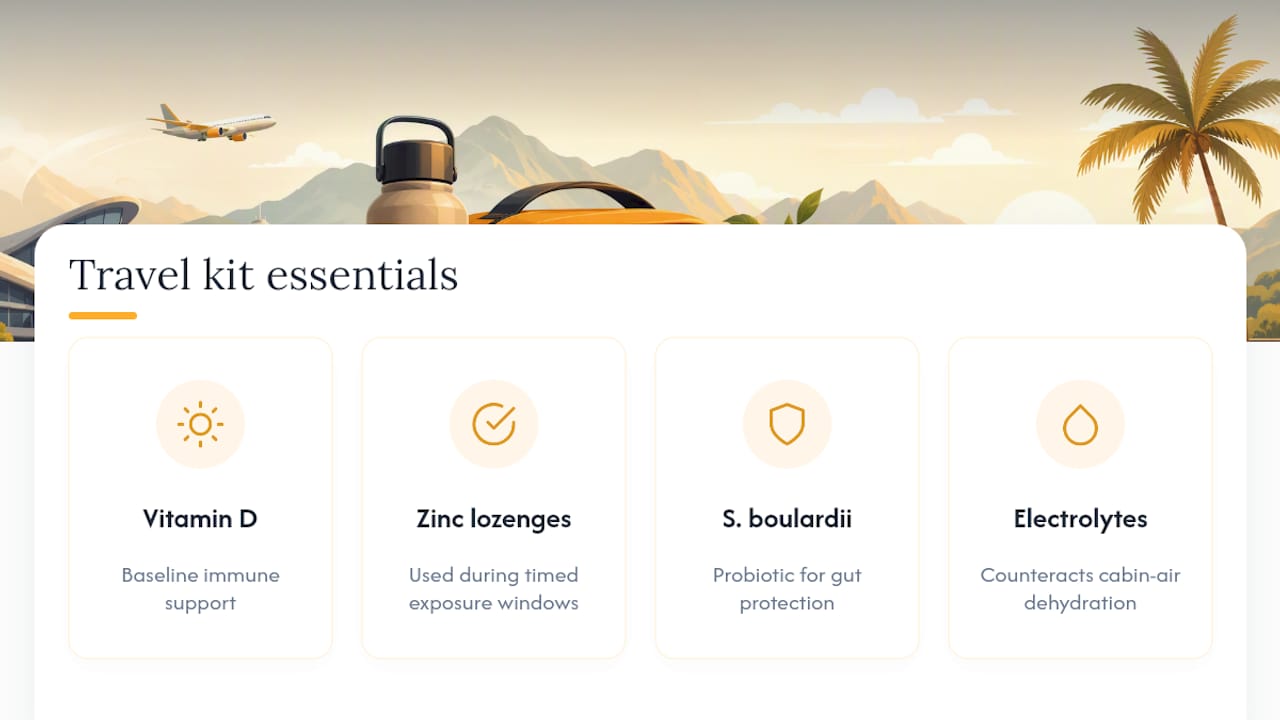
Packing a separate bottle for vitamin D, zinc, a probiotic, and electrolytes for every trip gets old fast, which is why Fitnesshealth put together a travel-ready kit that mirrors the exact protocol covered above: vitamin D for baseline support, zinc lozenges for timed exposure windows, a Saccharomyces boulardii probiotic for gut protection, and electrolytes for the dehydration that cabin air guarantees. Nothing in it replaces sleep or handwashing, and if you’re immunocompromised or taking medications that interact with zinc or vitamin D, talk to your clinician before adding any regimen. If you want the short version of this article in one order rather than four separate purchases, see the travel immune support kit on Fitnesshealth and check it against your own trip length and destination risk.
This article is general information, not a substitute for advice from a qualified doctor. Consult a qualified healthcare professional about your own circumstances before acting on anything here.
Sources
- Travelers with Weakened Immune Systems | Travelers’ Health | CDC
- Vitamin D and respiratory infection meta-analysis (NCBI source)
- Zinc lozenges and common cold RCTs review (NCBI source)
- Probiotic evidence summary (NCBI source)