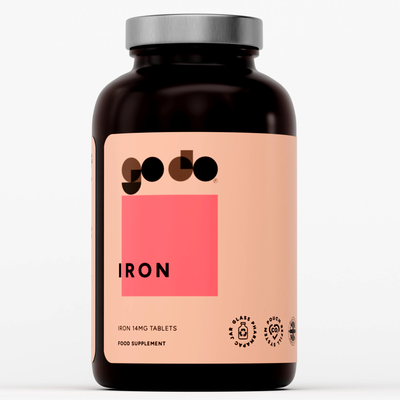
You're spending money on supplements. You're taking them regularly. Yet you're not seeing the results you expected. The problem might not be the supplements themselves: it's how and when you're taking them.
Supplement timing affects absorption, efficacy, and whether your body can actually use what you're swallowing. Here are the most common timing mistakes sabotaging your results and exactly how to fix them.
The Biggest Mistake: Inconsistency Over Perfection
Before diving into specific timing strategies, understand this: taking supplements at a consistent time matters more than taking them at the "perfect" time. Your body adapts to routines. If you take your supplements at 7 AM every day, your digestive system prepares for that. If you take them randomly: sometimes morning, sometimes night, sometimes not at all: you'll get inconsistent results regardless of optimal timing windows.
Pick a time you can stick to every single day. That consistency will deliver better results than perfect timing with sporadic adherence.
Fat-Soluble Vitamins Without Fat: A Costly Error
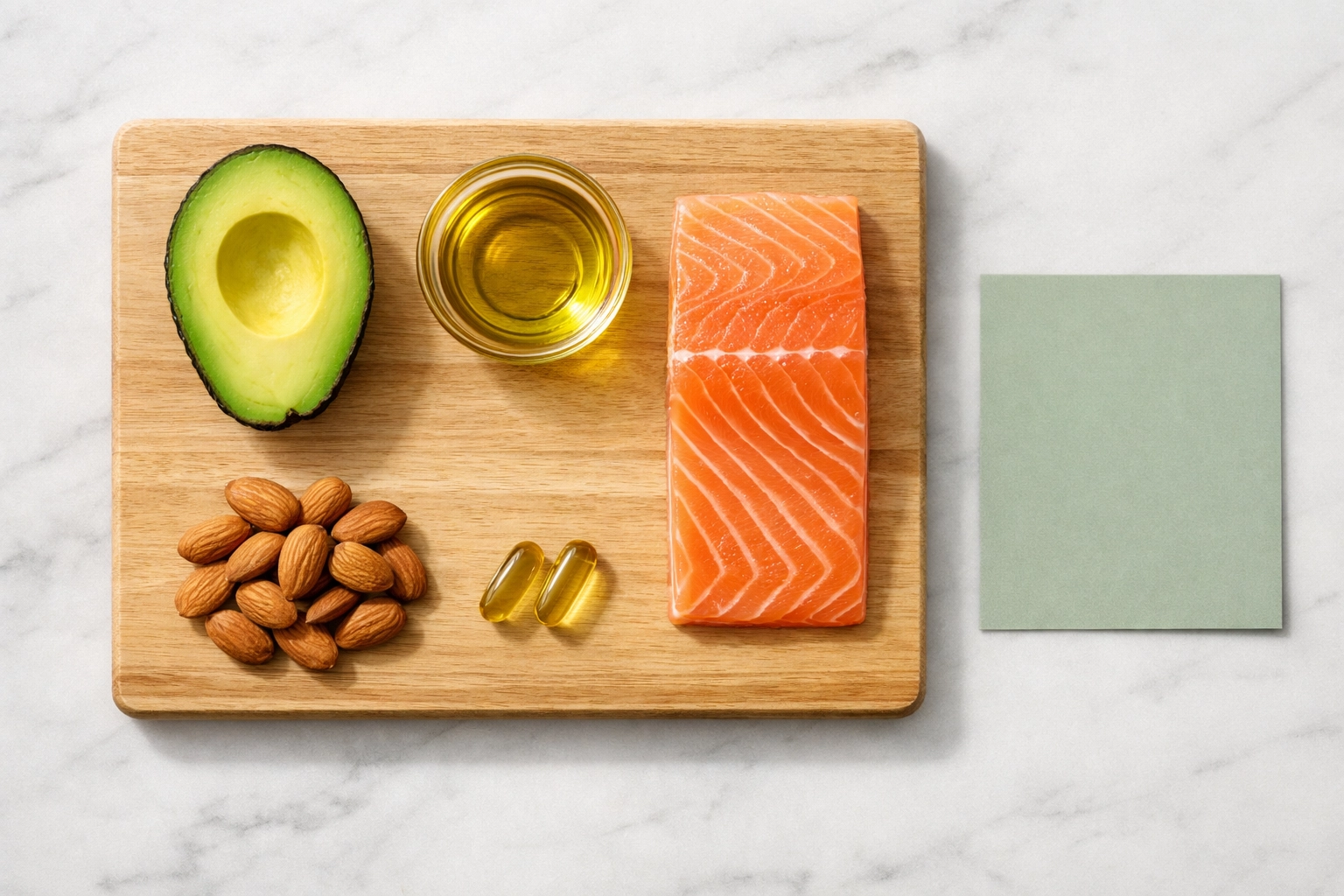
Vitamins A, D, E, and K require dietary fat for absorption. Take them without fat, and your body flushes most of them out unused. This is one of the most common and expensive timing mistakes.
The fix: Take fat-soluble vitamins with your largest meal of the day, which typically contains the most dietary fat. For most people, that's dinner. If you eat a substantial breakfast with eggs, avocado, or nuts, morning works too.
Fat sources that enhance absorption:
- Avocado or olive oil
- Nuts and seeds
- Fatty fish (salmon, mackerel)
- Eggs
- Full-fat dairy
- Nut butters
A small snack with minimal fat (like a piece of toast or a banana) won't provide enough fat for proper absorption. You need at least 10-15 grams of fat in that meal for optimal uptake.
If you take a multivitamin containing fat-soluble vitamins, the same rule applies: pair it with a fat-containing meal, not a glass of water on an empty stomach.
Taking Energy-Boosting Supplements Too Late in the Day
B vitamins, CoQ10, and stimulant-containing supplements (like those with green tea extract or ginseng) can interfere with sleep if taken in the afternoon or evening. B vitamins in particular support energy production at the cellular level, which is helpful at 8 AM but counterproductive at 8 PM.
The fix: Take all energy-supporting supplements before 2 PM. This gives your body time to use them for daytime energy without disrupting your natural wind-down process.
If your multivitamin contains B vitamins (most do), take it with breakfast or lunch, not dinner. The small energy boost from B12 and B6 that helps you power through your morning can prevent you from falling asleep easily at night.
Magnesium Timing for Sleep vs Energy

Magnesium has different effects depending on when you take it and which form you use. Taking it in the morning when you want it to support sleep quality is a timing mismatch.
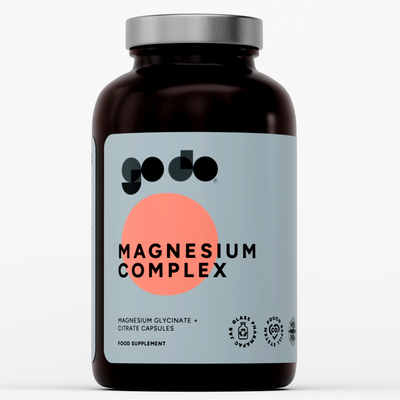
For sleep and relaxation: Take magnesium glycinate or citrate 30-60 minutes before bed. These forms promote relaxation and can improve sleep quality. The calming effect builds as you approach bedtime, helping you transition into rest.
For energy and muscle function: Take magnesium citrate or malate in the morning. These forms support cellular energy production and muscle function during your active hours.
Taking sleep-focused magnesium in the morning may leave you feeling sluggish. Taking energizing forms at night wastes their benefits when you're not active.
Iron and Calcium Together: A Blocking Mistake
Calcium blocks iron absorption. Taking them together means your body absorbs less of both minerals: particularly problematic if you're addressing iron deficiency or anemia.
The fix: Separate these supplements by at least 2 hours. Take iron in the morning or early afternoon, and calcium in the evening. If you take a multivitamin containing both, you're likely getting inadequate amounts of each due to this competitive absorption.
Iron absorbs best on an empty stomach with vitamin C (from citrus juice or a vitamin C supplement). However, if empty-stomach iron causes nausea, take it with a small amount of food that doesn't contain calcium or caffeine. Consistent absorption with food beats optimal absorption you can't tolerate.
The Morning Rush Problem

Morning routines are chaotic. You're rushing to get ready, making breakfast, checking emails. This makes morning the worst time for consistent supplement adherence, even though many people default to it.
The problem: Rushed mornings lead to:
- Skipped doses
- Taking supplements without adequate food
- Forgetting entirely
- Inconsistent timing
The fix: If your mornings are unpredictable, switch your supplement routine to evening. Most people have more stable evening routines. Taking supplements with dinner provides a consistent meal size, consistent timing, and better adherence.
Evening supplementation also pairs well with the natural wind-down routine. You're already brushing teeth and preparing for bed: adding supplements to this routine is easier than squeezing them into a chaotic morning.
Probiotics: Timing Affects Survival
Probiotic bacteria need to survive your stomach acid to reach your intestines where they work. Taking them at the wrong time reduces how many beneficial bacteria make it through.
The fix: Take probiotics on an empty stomach, 30 minutes before a meal or 2 hours after eating. Stomach acid production is lower when you haven't eaten recently, giving more bacteria a chance to survive the journey.
Some people prefer taking probiotics first thing in the morning with water, then eating breakfast 30 minutes later. Others take them before bed. Both work: choose based on which routine you'll maintain consistently.
Pre-Workout Supplements at Night: A Sleep Sabotage
This seems obvious, but many people take pre-workout supplements too late when evening is their only training window. Most pre-workouts contain 150-300mg of caffeine plus other stimulants that can disrupt sleep for 6-8 hours.
The fix: If you train in the evening (after 5 PM), switch to stimulant-free pre-workout options or take your regular pre-workout only if you train before 3 PM. Disrupted sleep undermines the recovery and adaptation you're trying to achieve through training.
For evening training sessions, consider taking supplements that support performance without stimulation:
- Creatine monohydrate
- Beta-alanine
- Citrulline malate
- Beetroot extract
These provide performance benefits without interfering with sleep quality.
Pairing Supplements with Inadequate Meals
Taking supplements with a small snack provides minimal nutritional support for absorption compared to a full meal. A piece of fruit or a granola bar doesn't contain the fats, proteins, and other nutrients that enhance supplement uptake.
The fix: Take your supplements with your largest, most nutritionally complete meal of the day. This meal should contain:
- Adequate protein (at least 25-30g)
- Healthy fats (at least 10-15g)
- Fiber from vegetables or whole grains
- Sufficient volume (not just a snack)
This provides the nutritional environment your body needs to properly process and absorb supplements. It also improves adherence: you're less likely to forget supplements when they're paired with a meal you never skip.
Creating Your Optimal Supplement Schedule
Based on what you're taking, here's how to structure your day:
Morning (with breakfast):
- B-complex vitamins
- Vitamin C
- Iron (if tolerated on empty stomach, take 30 minutes before breakfast)
- Energizing magnesium forms
- CoQ10
- Probiotics (30 minutes before eating)
Afternoon (with lunch):
- Multivitamins containing fat-soluble vitamins (if lunch is your largest meal)
- Any remaining B vitamins
Evening (with dinner):
- Fat-soluble vitamins (A, D, E, K)
- Calcium
- Omega-3 fatty acids
- Multivitamins (if dinner is your largest meal)
Before bed:
- Magnesium glycinate or citrate (for sleep)
- Probiotics (if you prefer evening dosing)
Adjust this template based on your actual supplement regimen, meal sizes, and which routine you'll follow most consistently.
The Bottom Line on Supplement Timing
The most critical factor isn't finding the scientifically perfect timing: it's creating a routine you'll follow every single day. Supplements taken consistently at a suboptimal time outperform supplements taken sporadically at the "perfect" time.
Start by identifying your most stable meal and routine. Build your supplement timing around that anchor point. Make sure fat-soluble vitamins get fat, energizing supplements stay before 2 PM, and sleep-supporting supplements happen in the evening.
Track your adherence for 30 days. If you're missing doses regularly, your timing needs adjustment regardless of theoretical optimization. Consistency delivers results. Perfect timing without consistency delivers nothing.