From Instagram influencers documenting ice bath challenges to professional athletes swearing by contrast therapy sessions, the cold plunge and sauna combination has exploded across social media and fitness communities. What started as a niche recovery protocol for elite athletes has become mainstream wellness culture, with everyone from weekend warriors to office workers seeking the supposed benefits of deliberate temperature exposure.
The trend reflects broader shifts in how people approach health and recovery. Social media amplifies dramatic content: videos of people gasping in ice baths generate more engagement than mundane stretching routines. Meanwhile, the biohacking movement has embraced temperature therapy as a quantifiable intervention that promises measurable results. But beneath the hype lies a genuine question: does the science support the claims, or has wellness culture oversold another recovery fad?
From Nordic Tradition to British High Streets
The roots of contrast therapy stretch back centuries to Nordic and Scandinavian cultures, where alternating between saunas and cold-water immersion formed part of daily life rather than wellness trends. Finnish saunas paired with lake plunges, Russian banyas followed by snow rolls, and Icelandic hot springs with ocean dips established patterns that modern practitioners now attempt to replicate.
The practice migrated to the UK through several channels. High-end spas began offering contrast therapy suites in the early 2000s, marketing the experience as luxury wellness. Simultaneously, sports science research in British universities started examining temperature therapies for athletic recovery, lending academic credibility to traditional practices.
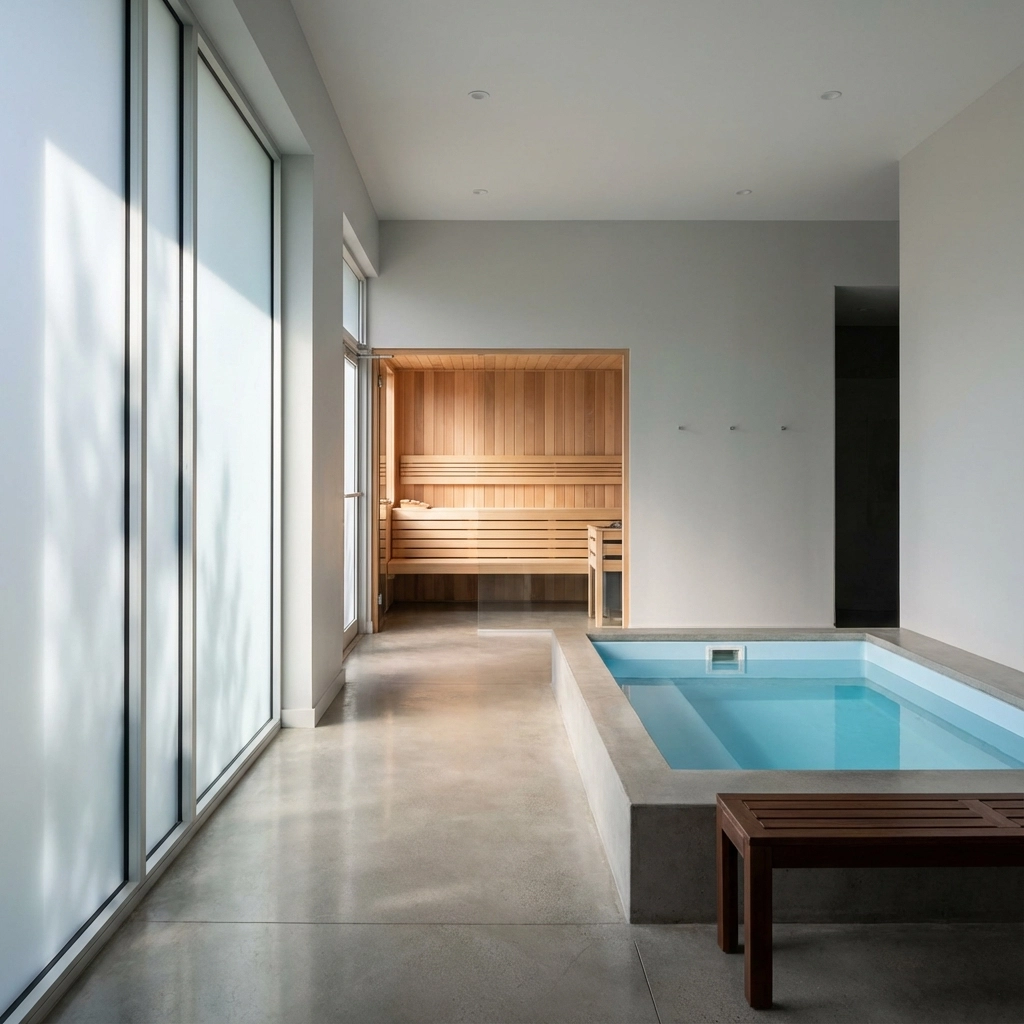
Today, the landscape has transformed dramatically. Premium gyms across London, Manchester, and Edinburgh now feature dedicated recovery suites with infrared saunas and cold plunge pools. Boutique wellness centres in cities like Brighton and Bath have built entire business models around contrast therapy sessions. Even budget gym chains have started installing basic sauna facilities, though few offer proper cold immersion options.
The COVID-19 pandemic accelerated adoption as people sought immune-boosting interventions and stress management tools. Cold water swimming groups proliferated across British coastlines, from the Serpentine Swimming Club in Hyde Park to wild swimming communities in the Lake District and Scottish lochs.
The Science Behind the Temperature Shock
Research supports several key benefits of alternating heat and cold exposure, though the mechanisms remain complex and individual responses vary significantly. The physiological foundation centres on vascular responses and inflammatory processes that occur during temperature transitions.
Heat exposure in saunas triggers vasodilation, increasing blood flow and heart rate while activating heat shock proteins that support cellular repair. Studies indicate sauna sessions can improve cardiovascular function, reduce inflammation markers, and enhance insulin sensitivity. Finnish population studies have linked regular sauna use to reduced risks of cardiovascular disease and improved longevity outcomes.
Cold water immersion produces opposite vascular responses: vasoconstriction redirects blood flow from extremities to core organs while triggering release of stress hormones like norepinephrine. Research demonstrates cold exposure can reduce muscle soreness after exercise, enhance recovery markers, and potentially boost immune function through increased white blood cell activity.
The combination appears more effective than either intervention alone. Contrast therapy accelerates removal of metabolic waste products while reducing exercise-induced inflammation. A 2024 systematic review found that alternating hot and cold exposure improved recovery metrics compared to passive rest or single-temperature protocols.
However, the research landscape includes important caveats. Many studies examine acute effects rather than long-term adaptations, and optimal protocols remain debated. Individual factors like fitness level, age, and health status significantly influence responses to temperature therapy.
Real-World Applications: From Elite to Everyday
Professional athletes have embraced contrast therapy as standard recovery protocol. Premier League football clubs routinely use ice baths and saunas between training sessions and matches. British Olympic teams have integrated temperature therapy into preparation routines, with facilities at the English Institute of Sport featuring sophisticated contrast therapy suites.
Team GB cyclist Laura Kenny has publicly credited ice baths with enhancing recovery between training sessions, while rugby players in the Six Nations Championship regularly use contrast therapy during tournament periods. Manchester United's training ground includes dedicated recovery areas with multiple temperature options, reflecting how mainstream the practice has become in professional sport.
Weekend warriors represent a growing user base with different needs and expectations. A 45-year-old London-based runner training for marathons might use contrast therapy once weekly after long runs, seeking reduced muscle soreness and faster adaptation to training loads. A CrossFit enthusiast in Birmingham could implement brief cold plunges after high-intensity sessions to manage inflammation and enhance workout frequency.
Case studies from UK wellness centres indicate varied responses among recreational users. Some report immediate benefits including improved sleep quality and reduced stress levels, while others experience minimal effects or find the protocols too demanding to maintain consistently. The placebo effect likely contributes to positive experiences, though physiological benefits appear genuine for consistent users.
Understanding the Physiological Mechanisms
The body's response to deliberate temperature exposure involves multiple interconnected systems that produce both immediate and adaptive effects. Understanding these mechanisms helps explain why contrast therapy can be effective while highlighting individual variation in outcomes.
Heat exposure triggers a cascade of cardiovascular and hormonal responses. Core temperature elevation activates thermoregulatory systems, increasing heart rate and cardiac output while promoting vasodilation in peripheral blood vessels. This enhanced circulation delivers nutrients to tissues while removing metabolic waste products more efficiently.
Saunas also stimulate heat shock protein production, molecular chaperones that protect cells from stress-related damage and support protein synthesis. These proteins contribute to improved stress tolerance and potentially enhanced recovery from exercise-induced cellular damage.
Cold immersion produces contrasting but complementary effects. Immediate vasoconstriction reduces blood flow to extremities while activating the sympathetic nervous system. Cold exposure triggers norepinephrine release, enhancing alertness and potentially supporting mood regulation through neurotransmitter pathways.
Brown fat activation represents another cold-induced mechanism. Regular cold exposure can increase brown adipose tissue, which burns calories to generate heat and may contribute to improved metabolic health. This thermogenic response could explain some of the body composition benefits reported by contrast therapy users.
The alternating pattern appears crucial for maximising benefits. Rapid transitions between hot and cold create a "vascular pump" effect that enhances circulation beyond what either temperature alone produces. This enhanced blood flow facilitates nutrient delivery and waste removal throughout the recovery period.
Safety Considerations for British Conditions
The UK's variable climate and limited experience with extreme temperatures among the general population create specific safety considerations for contrast therapy adoption. Unlike Scandinavian countries where cold exposure forms part of cultural tradition, most British people lack experience managing extreme temperature transitions safely.
Hypothermia risk increases significantly when combining cold water exposure with Britain's often wet, windy conditions. Outdoor cold plunging requires careful attention to air temperature, wind speed, and duration limits. A 10-minute ice bath that feels manageable indoors could become dangerous when performed in a garden during February weather conditions.
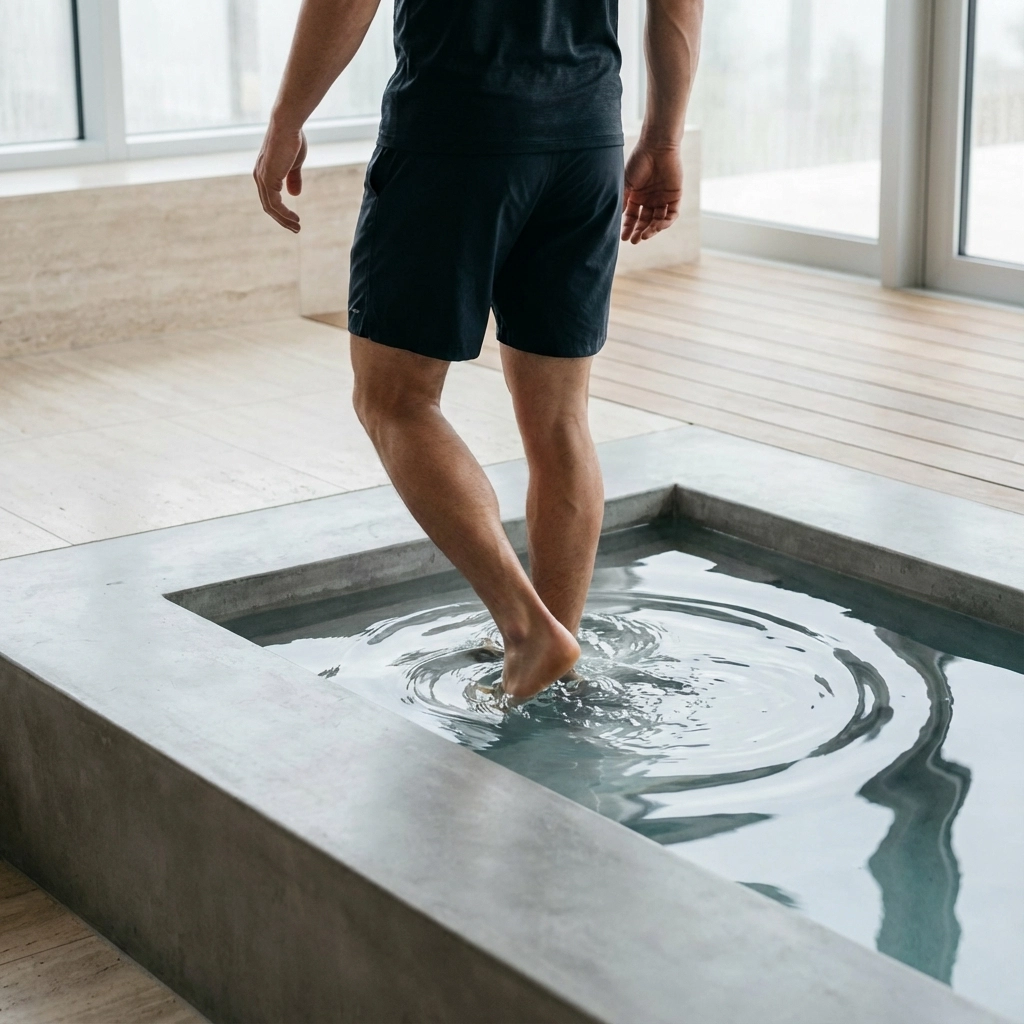
Cardiovascular stress represents the primary safety concern. Rapid temperature changes trigger significant blood pressure and heart rate fluctuations that can stress compromised cardiovascular systems. People with existing heart conditions, high blood pressure, or circulatory disorders should consult healthcare providers before attempting contrast therapy protocols.
Gradual acclimation proves essential for safe adoption. Starting with shorter exposures and milder temperatures allows physiological adaptations to develop progressively. Initial sauna sessions should last 5-10 minutes at moderate temperatures (60-70°C), while cold exposure might begin with 30-second immersions in 10-15°C water.
Proper supervision and emergency protocols become crucial, particularly for home implementations. Having a partner present, maintaining communication during exposures, and establishing clear exit strategies can prevent minor discomfort from escalating into dangerous situations.
Accessing Contrast Therapy Across the UK
The contrast therapy landscape in Britain spans from budget-friendly options to luxury experiences, though geographic distribution remains uneven. Major cities offer the most comprehensive facilities, while rural areas typically provide limited access to proper equipment.
London leads in facility quantity and quality. High-end establishments like KXU in Chelsea offer dedicated contrast therapy suites with precise temperature control, while budget gyms like PureGym are increasingly adding basic sauna facilities. The Serpentine Lido provides natural cold water swimming year-round, complemented by nearby spa facilities offering heat therapy options.
Outside London, access varies significantly by region. Manchester, Edinburgh, and Bristol feature growing wellness scenes with multiple contrast therapy options, while smaller cities often rely on single facilities or hotel spas. Coastal areas benefit from natural cold water access, though heated recovery options may be limited.
Home implementation has become increasingly popular, driven partly by limited facility access and partly by convenience factors. Converting garden sheds into saunas, using chest freezers as cold plunge pools, and installing infrared sauna pods represent common DIY approaches. However, home setups require significant investment and careful attention to safety protocols.
Mobile services have emerged to address access gaps. Companies now offer portable sauna and ice bath rentals for events, personal training sessions, or temporary home use. While more expensive per session than gym access, mobile services provide flexibility and convenience for users in underserved areas.
Cost Analysis and Practical Barriers
Financial investment represents the primary barrier to regular contrast therapy adoption. Understanding the true costs helps potential users make informed decisions about sustainable access options.
Facility-based access ranges from £15-50 per session depending on location and amenities. Premium spas in central London charge £40-60 for contrast therapy sessions, while budget gym day passes might cost £15-25. Monthly spa memberships offering unlimited access typically cost £150-300, making regular use expensive for most budgets.
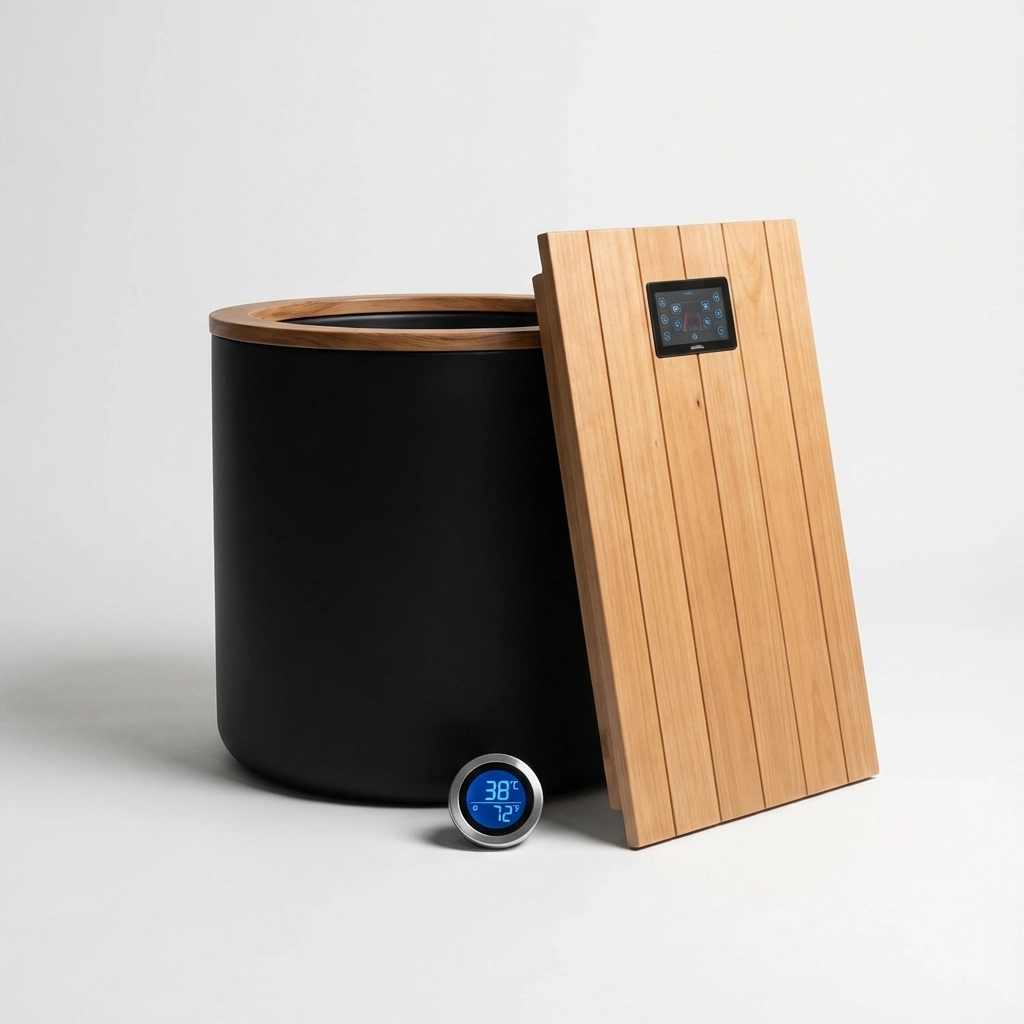
Home installations require substantial upfront investment but lower ongoing costs. Basic infrared saunas cost £2,000-5,000, while cold plunge pools range from £3,000-8,000 for permanent installations. DIY approaches using converted freezers and shed saunas can reduce costs to £1,000-2,000 but require significant setup time and safety considerations.
Operating costs add ongoing expenses often overlooked in initial planning. Electric saunas increase energy bills by £30-80 monthly depending on usage patterns, while cold plunge pools require filtration, heating (for minimal temperatures), and chemical maintenance. Water consumption for frequent pool changes can add £20-40 monthly to utility bills.
Time commitment represents another significant barrier. Effective contrast therapy sessions require 45-60 minutes including preparation, multiple cycles, and recovery time. This duration challenges busy schedules and may limit consistency for many potential users.
Geographic limitations affect rural users disproportionately. Traveling 30-60 minutes each way to access facilities makes regular use impractical, while home installations may face planning permission challenges or inadequate electrical infrastructure in older properties.
Practical Implementation Guidelines
Successful contrast therapy adoption requires systematic progression and clear protocols that prioritise safety while building toward therapeutic benefits. Most failures result from attempting advanced protocols too quickly or inconsistent application that prevents adaptation.
Beginner protocols should emphasise gradual exposure increases over several weeks. Week 1-2 might involve 5-minute sauna sessions at 60°C followed by 30-second cold showers at the coolest tolerable temperature. Weeks 3-4 can extend to 10-minute sauna sessions and 60-90 second cold exposures, while maintaining careful monitoring of individual responses.
Optimal timing depends on training schedules and individual goals. Post-workout contrast therapy within 2-4 hours of exercise appears most effective for recovery benefits, though morning sessions may enhance alertness and energy levels throughout the day. Evening sessions should end at least 2 hours before bedtime to avoid sleep disruption from elevated core temperature.
Temperature targets require precision for consistent benefits. Saunas should reach 70-90°C for therapeutic heat stress, while cold exposure needs temperatures below 15°C to trigger meaningful physiological responses. Home implementations often struggle to achieve these ranges consistently, limiting effectiveness compared to purpose-built facilities.
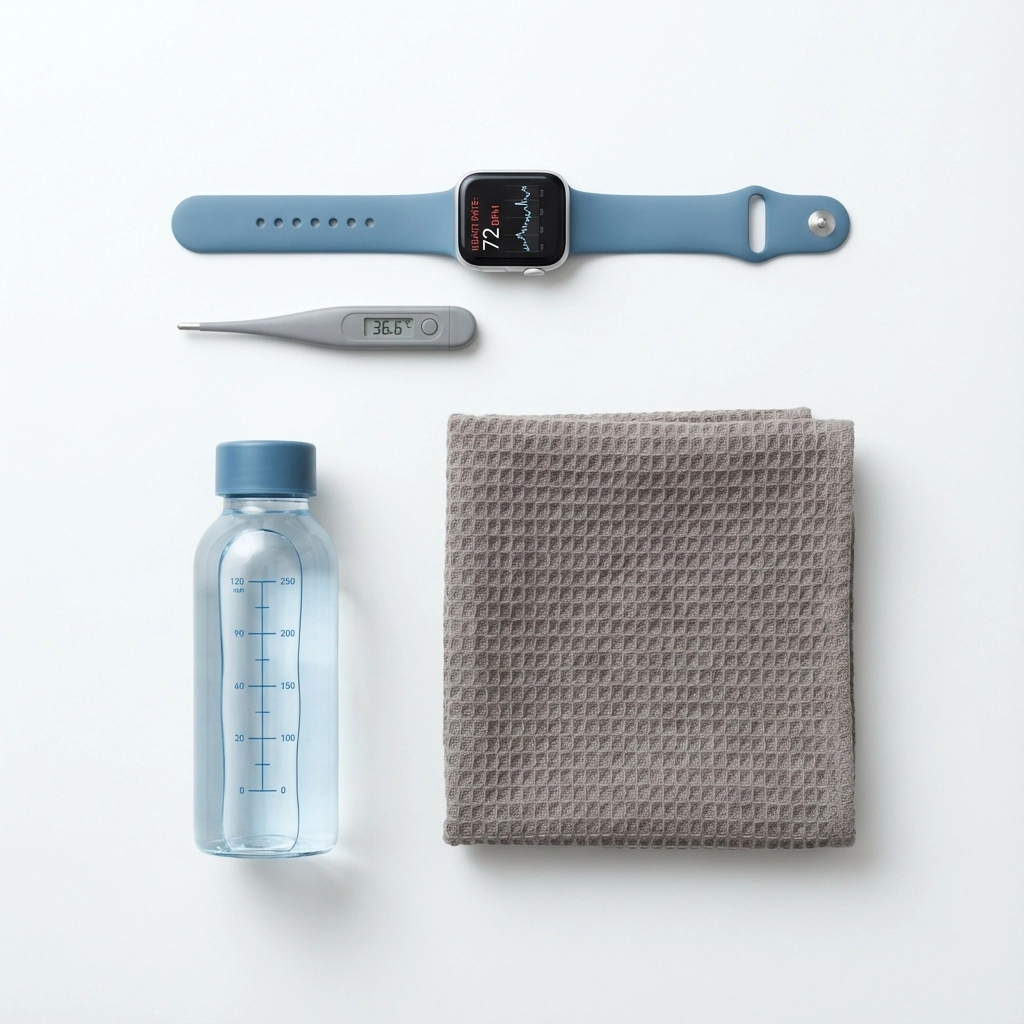
Hydration protocols become crucial during temperature extremes. Pre-session hydration with 500-750ml water, ongoing fluid replacement during longer sessions, and post-session electrolyte replenishment help maintain performance and prevent complications from dehydration or mineral imbalances.
Exit strategies and warning signs require clear definition before beginning sessions. Dizziness, nausea, excessive shivering, or cardiovascular irregularities indicate immediate session termination. Having predetermined limits on exposure duration prevents poor decision-making during physiological stress.
The Balanced Verdict
Contrast therapy represents a legitimate recovery tool supported by research evidence, though the magnitude of benefits depends heavily on implementation quality and individual factors. The practice offers measurable physiological effects that can enhance recovery, stress management, and potentially overall health markers when applied consistently and safely.
The "game-changer" label appears overstated for most recreational users. While professional athletes with demanding training loads may experience significant recovery benefits, weekend warriors typically see modest improvements that may not justify the time, cost, and complexity of regular contrast therapy sessions.
For individuals with access to quality facilities and budget flexibility, contrast therapy can complement existing recovery protocols effectively. The mental health benefits: stress reduction, enhanced mood, improved stress tolerance: may prove as valuable as physical recovery effects for many users.
However, contrast therapy should not replace fundamental recovery practices like adequate sleep, proper nutrition, and progressive training loads. It functions best as an additional tool rather than a primary recovery strategy, particularly for recreational athletes with limited training stress.
The wellness "overkill" concern has merit given the social media hype and marketing claims that often exceed scientific evidence. Sustainable adoption requires realistic expectations, proper progression, and recognition that individual responses vary significantly. For most people, simpler recovery interventions like consistent sleep schedules and stress management provide greater returns on investment than elaborate temperature protocols.
Ultimately, contrast therapy works best for committed users who can access quality facilities regularly and implement protocols consistently over months rather than weeks. The benefits are real but modest, making it a useful addition to comprehensive recovery programs rather than a revolutionary intervention that transforms health outcomes.