

The fitness landscape has fundamentally shifted. Gone are the days when you had to choose between a commercial gym membership or building a home gym. Today's smart fitness enthusiasts are embracing hybrid training ecosystems that combine the best of both worlds.
This mixed approach isn't just a pandemic-driven trend that's fading away. Market data shows 61% of people now maintain home workout spaces while 31% keep active gym memberships, indicating a permanent shift toward flexible training solutions.
What Are Hybrid Training Ecosystems?
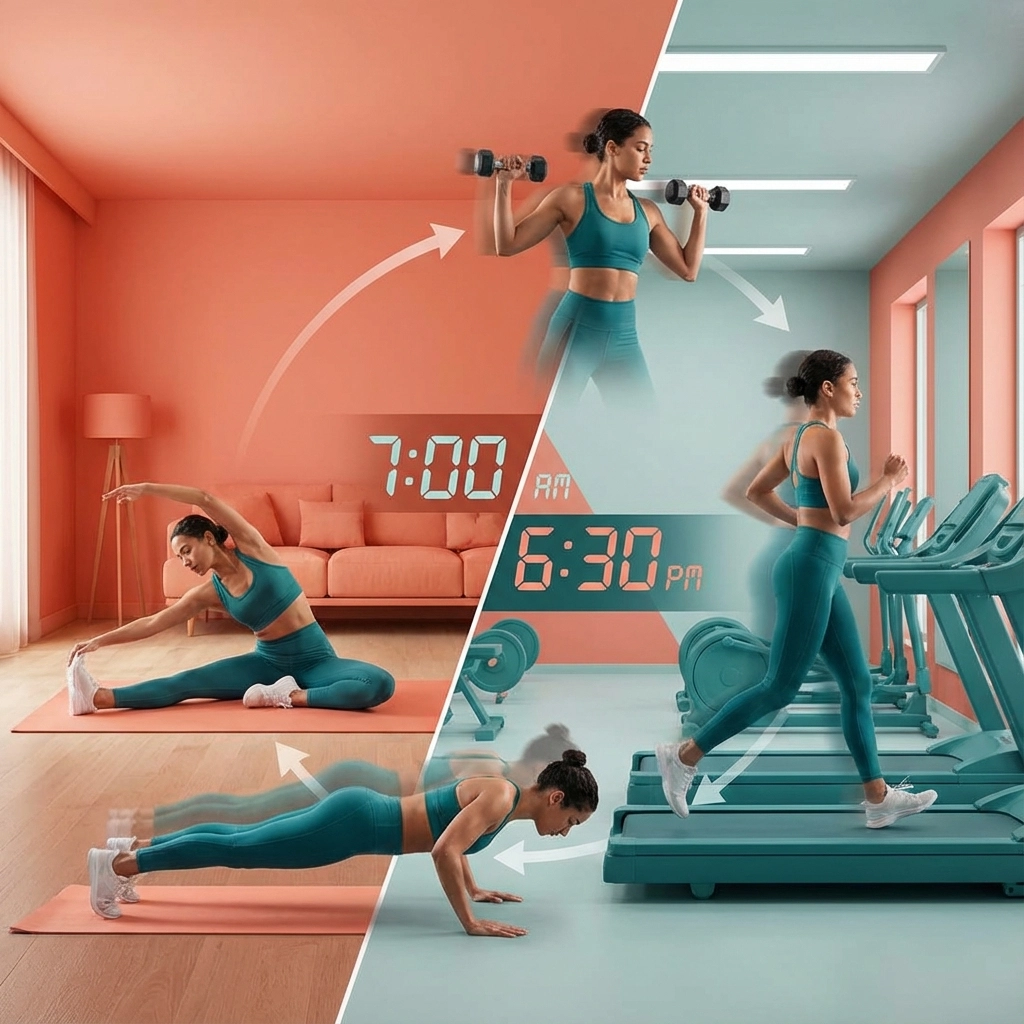
A hybrid fitness model combines in-person gym training with home-based workouts under a single, coordinated approach. This might involve:
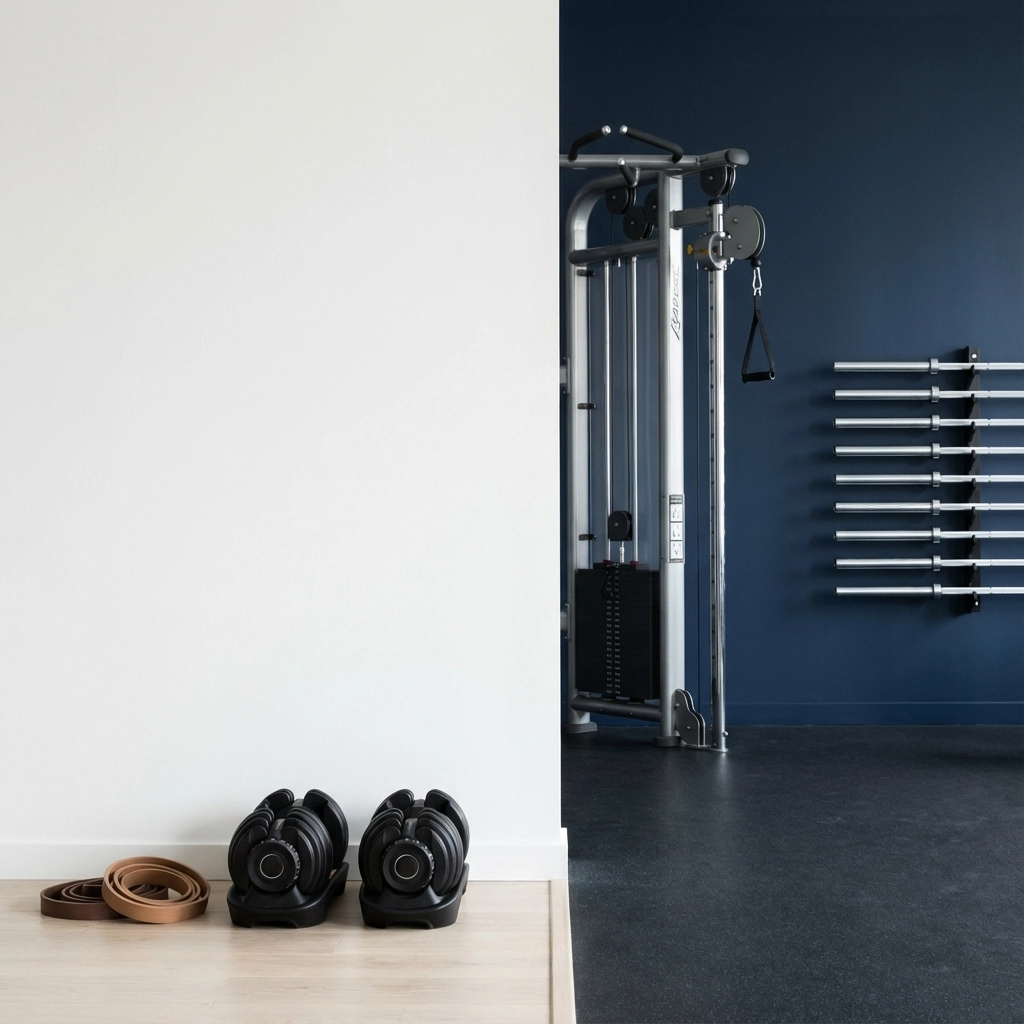
- Using commercial gyms for heavy lifting and specialized equipment
- Completing cardio and bodyweight sessions at home
- Accessing virtual coaching and classes online
- Maintaining consistent supplement routines across both environments
The key difference from simply "sometimes working out at home" is intentional integration. Your home and gym workouts complement each other as part of a cohesive training plan.
Why Mixed Training Systems Are Exploding
Flexibility That Actually Works
The primary driver behind hybrid adoption is genuine flexibility. Life happens – meetings run late, kids get sick, weather disrupts travel plans. Having both home and gym options means these disruptions don't derail your fitness routine entirely.
Time savings matter significantly. Eliminating the commute to the gym can save 30-60 minutes per session. For busy professionals, this often makes the difference between working out and skipping entirely.
Economic Efficiency
From a cost perspective, hybrid approaches often deliver better value:
- High-quality home gym equipment pays for itself over time compared to ongoing monthly fees
- Hybrid memberships can cost less than premium personal training while delivering personalized value
- You maintain training consistency even during gym closures or capacity restrictions
Wellness Integration
Modern hybrid training reflects broader lifestyle shifts toward integrated wellness. Having both spaces allows you to:
- Control your training environment completely
- Integrate recovery tools like foam rollers and massage devices at home
- Maintain privacy for certain exercises or recovery protocols
- Train consistently regardless of external circumstances
Benefits for Individual Members
Enhanced Training Consistency
Flexibility directly translates to better consistency. When you can choose between home and gym based on your current situation, you're far more likely to maintain regular training schedules. This consistency is essential for measurable progress in strength, endurance, and body composition.
Greater Training Variety
Hybrid systems naturally introduce more variety into your routine:
- Heavy compound lifts at the commercial gym
- HIIT and bodyweight circuits at home
- Specialized equipment access (cables, machines) at the gym
- Recovery and mobility work in your home space
This variety engages different muscle groups and energy systems while reducing overuse injury risk.
Accessibility and Inclusivity
Hybrid models accommodate different preferences and limitations. If you're uncomfortable in traditional gym environments but find purely home workouts demotivating, the mixed approach provides options rather than forcing an all-or-nothing choice.
Travel becomes less disruptive when you can maintain training routines in hotel rooms or temporary locations while accessing virtual coaching sessions.
Equipment Strategy for Hybrid Success
Home Gym Essentials
Focus on versatile equipment that complements rather than duplicates your gym access:
Core Equipment:
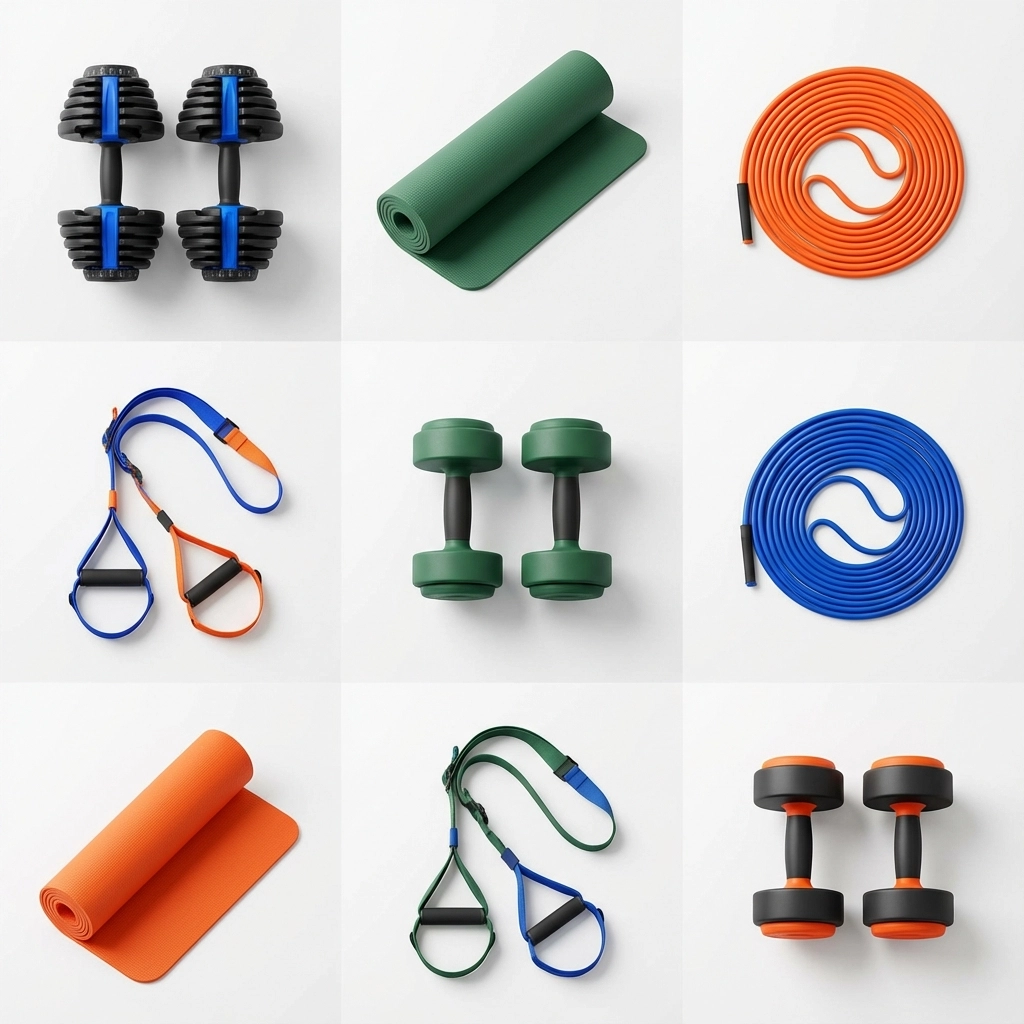
- Adjustable dumbbells (save space, multiple weights)
- Resistance bands (portable, variable resistance)
- Suspension trainer (bodyweight exercises, travel-friendly)
- Yoga mat (stretching, core work, recovery)
Space-Efficient Additions:
- Kettlebells (compound movements, cardio)
- Pull-up bar (upper body strength)
- Foam roller (recovery, mobility)
Gym-Specific Training
Reserve your gym sessions for equipment and exercises you can't effectively replicate at home:
- Heavy barbell movements (deadlifts, squats, bench press)
- Cable machine exercises
- Specialized cardio equipment
- Group fitness classes
- Swimming or specialized facilities
Adapting Your Supplement Routine
Your supplement strategy needs to work seamlessly across both training environments.
Consistent Daily Basics
Maintain consistent daily supplementation regardless of where you train:
- Vitamin D3 and K2: Essential for bone health and muscle function across all training types
- Probiotics: Support digestive health and nutrient absorption for consistent energy
- Creatine: Benefits both home and gym strength training equally
Training-Specific Timing
Adjust supplement timing based on your training location:
Home Training Days:
- Pre-workout supplements can be customized to your exact preferences
- Post-workout nutrition is immediately available
- Recovery supplements can be consumed in a comfortable, private environment
Gym Training Days:
- Portable supplement packs for pre and post-workout nutrition
- Protein powder in a shaker bottle for immediate post-workout consumption
- Natural bodybuilding supplements that support intense gym sessions
Best Practices for Hybrid Training Success
Plan Your Split Strategically
Design your weekly schedule to maximize each environment's advantages:
Sample Hybrid Week:
- Monday: Gym (heavy lower body)
- Tuesday: Home (upper body bodyweight + cardio)
- Wednesday: Gym (heavy upper body)
- Thursday: Home (HIIT + mobility)
- Friday: Gym (full body compound movements)
- Weekend: Home (active recovery, yoga, light cardio)
Maintain Equipment Standards
Ensure your home equipment meets the same safety and quality standards as commercial gym equipment. Cheap equipment that breaks or feels unstable will undermine your training consistency.
Create Dedicated Spaces
Even in small homes, establish a designated workout area. This mental and physical boundary helps maintain the mindset separation between training time and regular daily activities.
Track Across Both Environments
Use consistent tracking methods for both home and gym sessions. Fitness apps, workout logs, or wearable devices should capture data from both environments to maintain progression visibility.
The Business Side: Why Gyms Are Embracing Hybrid
Commercial gyms are actively promoting hybrid models because they work for business sustainability:
Revenue Diversification
Gyms can offer tiered pricing structures that capture clients with different needs and budgets while increasing average revenue per member.
Reduced Attrition
When life circumstances change, members can adjust their hybrid plan rather than canceling entirely. This flexibility significantly reduces membership cancellation rates.
Capacity Management
During peak times or operational restrictions, hybrid models allow gyms to distribute training load between physical and virtual spaces more effectively.
Future of Mixed Training Ecosystems
The hybrid model represents a permanent shift rather than a temporary trend. Technology integration will continue improving with AI-powered coaching, real-time form feedback, and seamless transitions between in-person and virtual training sessions.
Expect to see more sophisticated integration between gym equipment and home systems, allowing for continuity in training programs across different locations. Wearable technology will provide real-time coaching adjustments whether you're lifting at a commercial gym or completing bodyweight circuits at home.
The key to successful hybrid training lies in viewing home and gym environments as complementary rather than competing options. When properly integrated, this approach provides unprecedented flexibility to maintain fitness goals despite unpredictable schedules, changing life circumstances, and varying personal preferences.
Your fitness routine should adapt to your life, not control it. Hybrid training ecosystems make this adaptation possible while maintaining the consistency and progression that drive real results.











