

I'll never forget the moment a competitive swimmer I'd been training for three years, finally broke through her freestyle plateau. After months of traditional strength work yielding minimal results, we introduced isometric holds at her weakest stroke position: that crucial catch phase where her hand enters the water. Within six weeks, she'd shaved two seconds off her 200m time.
That breakthrough taught me something profound about how our muscles actually adapt to specific demands. Isometric training isn't just about holding static positions: it's about building strength exactly where your body needs it most.
What Isometric Training Actually Is (And What It Isn't)
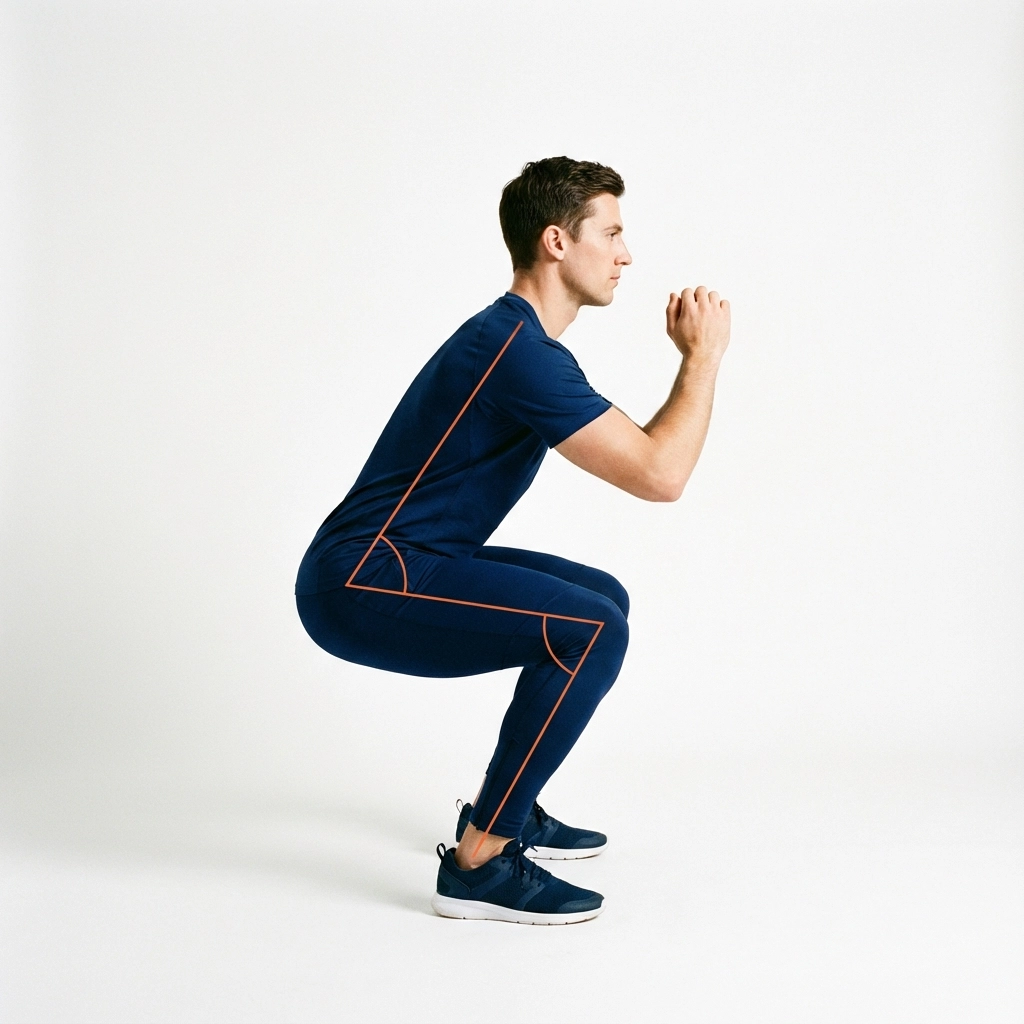
Let's clear up the confusion straight away. Isometric training involves contracting your muscles without moving the joint. Think wall sits, planks, or holding the bottom position of a squat. But here's what most people miss: the magic happens at specific joint angles.
Your muscles don't just get stronger: they get stronger at the exact position you train them. This angle-specific adaptation is why a client of mine, Marcus, could deadlift 200kg from the floor but struggled with rack pulls at knee height until we addressed that specific range with isometric holds.
Common Myth Busted: "Isometric training only builds static strength that doesn't transfer to movement."
Reality: Research shows isometric training at sport-specific joint angles produces greater performance improvements than generic dynamic training. The key is precision: training the angles that matter for your goals.

The Neuromuscular Adaptations That Make It Work
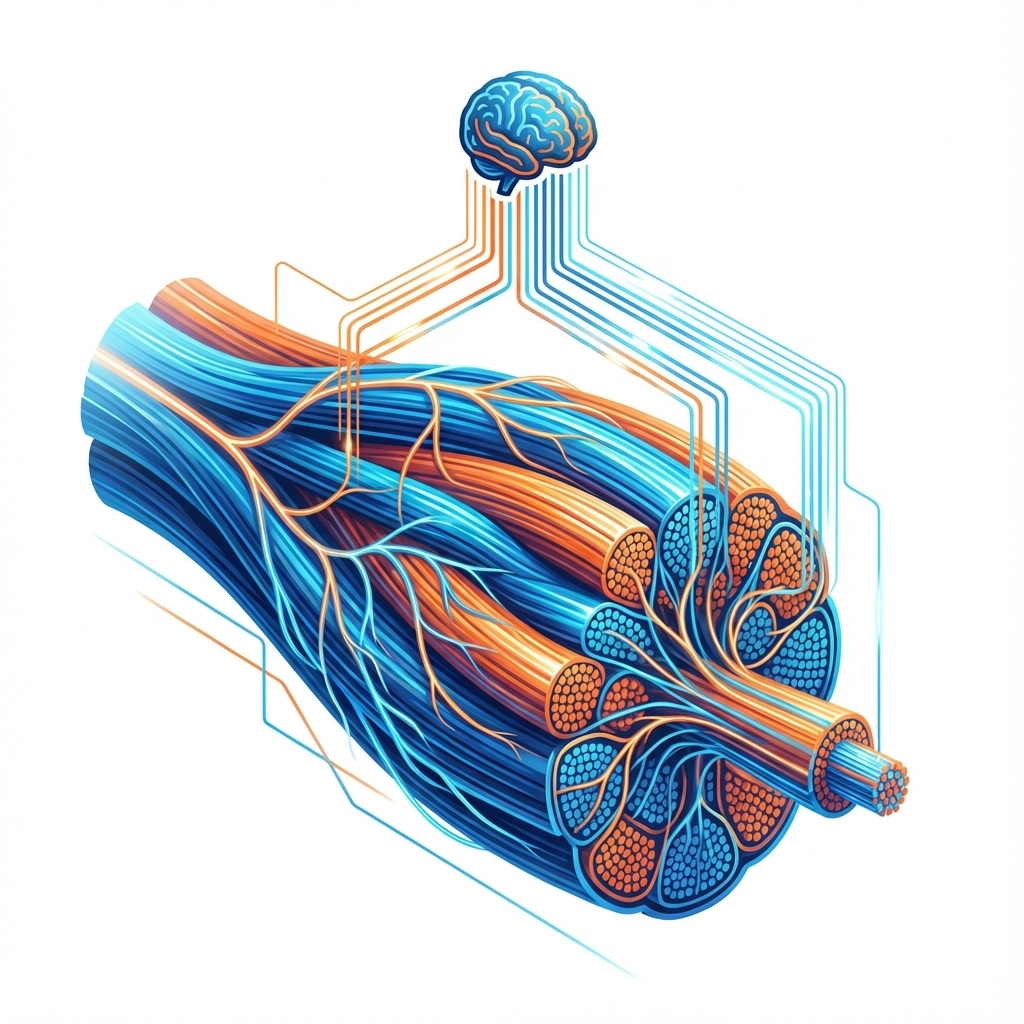
When you hold an isometric contraction, your nervous system undergoes remarkable changes that extend far beyond what you feel in the moment.
Neural Drive Improvements
Isometric contractions create maximal neural activation at specific joint angles. Your brain learns to recruit more motor units simultaneously, essentially teaching your nervous system to "turn on" more muscle fibres when you need them most.
I've seen this with James, a rugby player who couldn't generate power in his scrummaging position. After eight weeks of isometric holds at his optimal scrum angle, his force output increased by 23% at that specific position.
Enhanced Intermuscular Coordination
Your muscles learn to work together more efficiently at trained angles. This coordination improvement is why isometric training often produces strength gains that exceed what you'd expect from the muscle size increase alone.
Tendon Adaptations
High-intensity isometric contractions (above 70% maximum effort) trigger tendon stiffness improvements that surpass other training methods. Stiffer tendons transfer force more efficiently, directly improving your power output in activities like jumping and sprinting.
Angle-Specific Strength Development: The Strategic Advantage
This is where isometric training becomes genuinely strategic. Your strength gains occur primarily within 15-20 degrees of the trained joint angle: a phenomenon called the "joint angle specificity of training."
Identifying Your Critical Angles
For most athletes and fitness enthusiasts, critical angles include:
Squatting Movements: 90-degree knee angle (parallel position) Pressing Movements: 90-degree elbow angle (sticking point position) Pulling Movements: Mid-range position where mechanical disadvantage peaks Sport-Specific Positions: Angles matching your activity demands
Real-World Application Example
Take Emma, a powerlifter whose bench press consistently failed at the same point: about 4 inches off her chest. We implemented 5-second isometric holds at that exact angle, three times per week. Within a month, she'd broken through and added 7.5kg to her maximum lift.
Applications for Plateau Breaking and Weak Point Training
Plateaus often occur because traditional training methods don't adequately address your weakest links. Isometric training provides surgical precision for targeting these limitations.
The Plateau-Breaking Protocol
- Identify the sticking point: Where does your lift consistently fail?
- Set up isometric holds: Position yourself at that exact angle
- Apply maximum effort: Hold for 3-6 seconds with 85-100% intensity
- Frequency matters: 2-3 sessions per week, allowing 48-hour recovery
- Progress systematically: Increase hold duration or resistance weekly
Weak Point Targeting Examples
Squat Depth Issues: Isometric holds at your problematic depth teach your nervous system to generate force in that position while improving mobility simultaneously.
Deadlift Lockout Problems: Holds at 15-degree knee bend (common sticking point) build strength exactly where most lifters fail.
Overhead Press Struggles: Mid-range isometric holds address the mechanical disadvantage that stops most people.
Protocols for Different Strength Qualities
Isometric training adapts brilliantly to different strength goals by manipulating intensity, duration, and frequency variables.
Maximum Strength Development
Intensity: 85-100% maximum voluntary contraction Duration: 3-6 seconds Sets: 3-5 sets Frequency: 2-3 times per week Rest: 2-3 minutes between sets
This protocol maximises neural adaptations and peak force production. I use this with powerlifters and strongman competitors who need to generate maximum force at specific joint angles.
Explosive Strength Enhancement
Intensity: 60-80% maximum effort Duration: 2-4 seconds with rapid contraction initiation Sets: 5-8 sets Frequency: 3-4 times per week Rest: 2-4 minutes between sets
Focus on rapid force development rather than sustained contractions. This approach benefits sprinters, jumpers, and athletes requiring quick strength expression.
Strength Endurance Building
Intensity: 40-60% maximum effort Duration: 10-30 seconds Sets: 3-6 sets Frequency: 3-5 times per week Rest: 1-2 minutes between sets
Perfect for endurance athletes or rehabilitation scenarios where sustained strength matters more than peak output.
Practical Implementation Strategies
Exercise Selection Guidelines
Choose exercises that allow precise joint angle control:
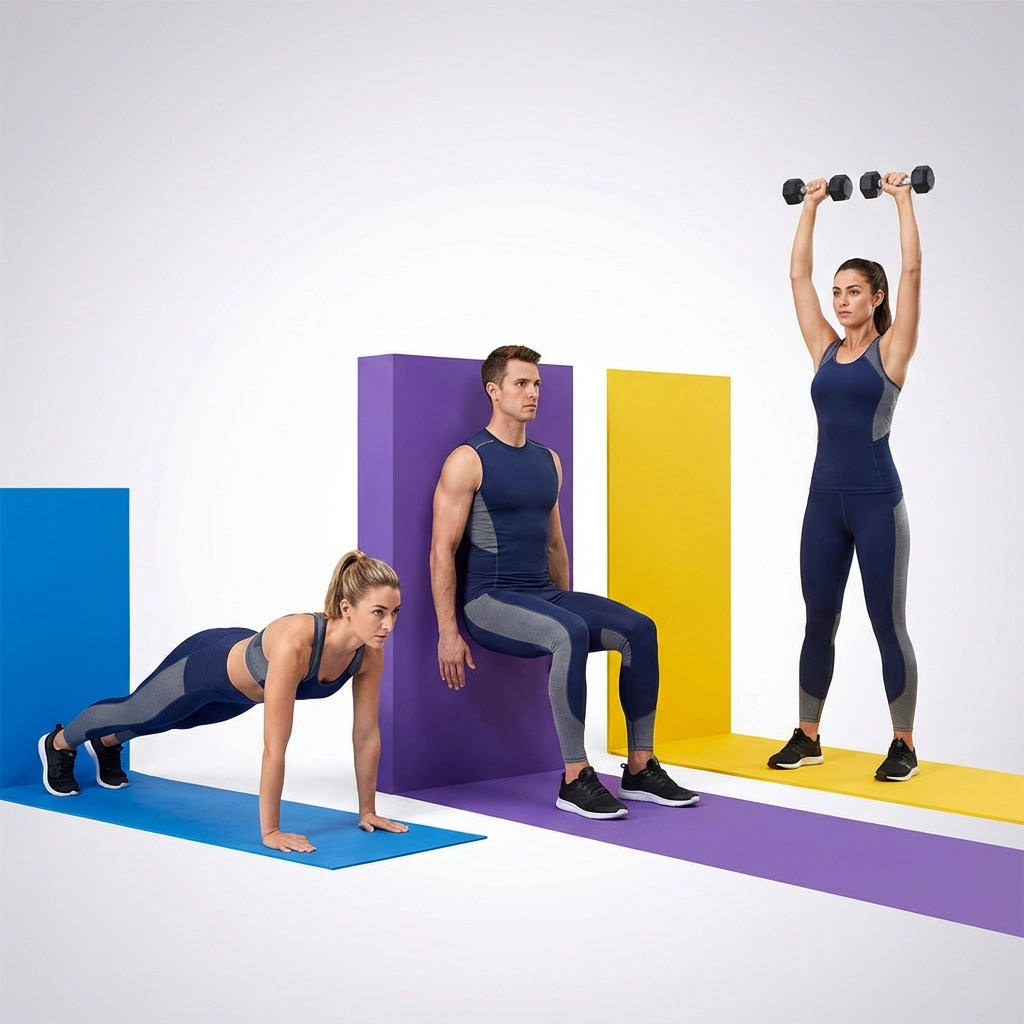
Upper Body: Wall sits for pressing angles, doorway pulls for rowing positions, plank variations for core stability Lower Body: Squat holds at various depths, single-leg holds for stability, calf raise holds for jumping preparation Full Body: Sport-specific position holds that match your activity demands
Programming Integration
Isometric training integrates seamlessly with existing programmes:
Pre-workout: 2-3 sets of 4-6 second holds as activation Mid-workout: Address weak points between regular sets Post-workout: Lower-intensity holds for additional volume Separate sessions: Dedicated isometric workouts for specific adaptations
Safety and Progression Guidelines
Start conservatively and progress systematically:
- Week 1-2: Learn positions and establish baseline intensity
- Week 3-4: Increase intensity to target ranges
- Week 5-6: Add duration or additional sets
- Week 7-8: Reassess and adjust based on results
Monitor for signs of overreaching: persistent fatigue, decreasing performance, or joint discomfort during holds.
Injury Prevention Through Strategic Strengthening
Isometric training excels at injury prevention because it strengthens muscles and connective tissues without movement-related stress.
Joint-Friendly Approach
Unlike dynamic exercises that can aggravate existing issues, isometric holds allow you to build strength around injuries. I've successfully used this approach with clients recovering from:
- Knee injuries using partial range squats
- Shoulder problems with pain-free angle holds
- Back issues through carefully positioned core holds
Tendon Health Optimization
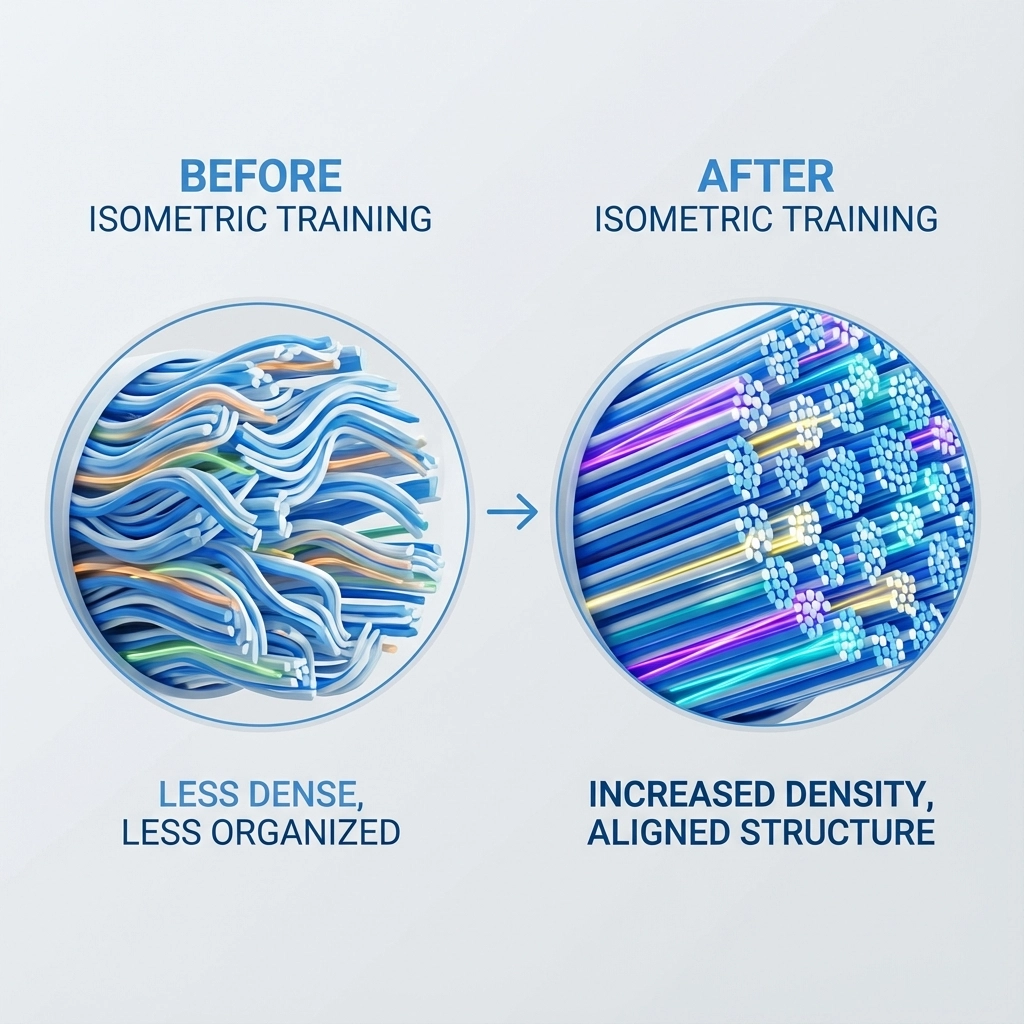
The tendon adaptations from isometric training create more robust, injury-resistant tissues. This is particularly valuable for older adults or anyone with a history of tendon problems.
Your Isometric Training Action Plan
Ready to harness the power of angle-specific strength development? Start with this systematic approach:
Week 1: Identify your specific weak points or performance goals. Choose 2-3 exercises that target these areas at precise joint angles.
Week 2: Implement basic protocols with moderate intensity (60-70% effort) for 3-4 seconds, focusing on proper positioning and breathing.
Week 3-4: Increase intensity to 75-85% effort while maintaining perfect form and position consistency.
Week 5-6: Add volume through additional sets or slightly longer durations, monitoring your response carefully.
Week 7-8: Assess your progress and adjust protocols based on results and goals.
The precision of isometric training makes it one of the most underutilised tools in fitness. Whether you're breaking through plateaus, addressing weak points, or building bulletproof strength at specific angles, the research is clear: your muscles adapt to exactly what you ask of them.
Stop leaving strength gains on the table. Your next breakthrough might be just one perfectly positioned hold away.
Ready to discover what targeted, angle-specific strength development can do for your performance? Visit our training resources and start building strength exactly where you need it most.











